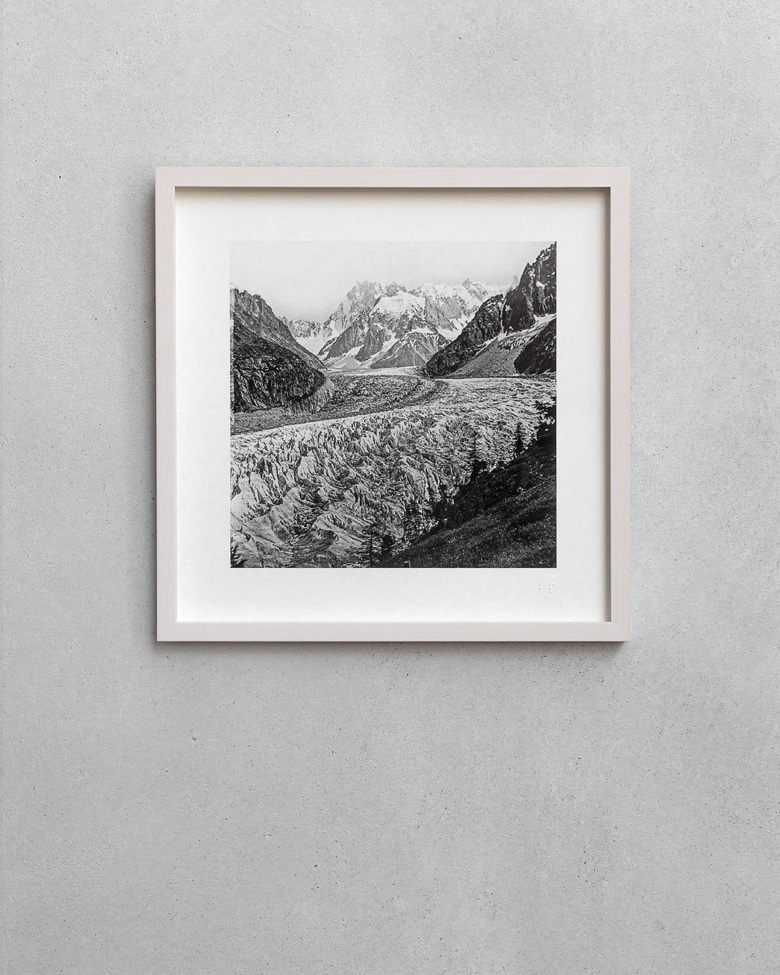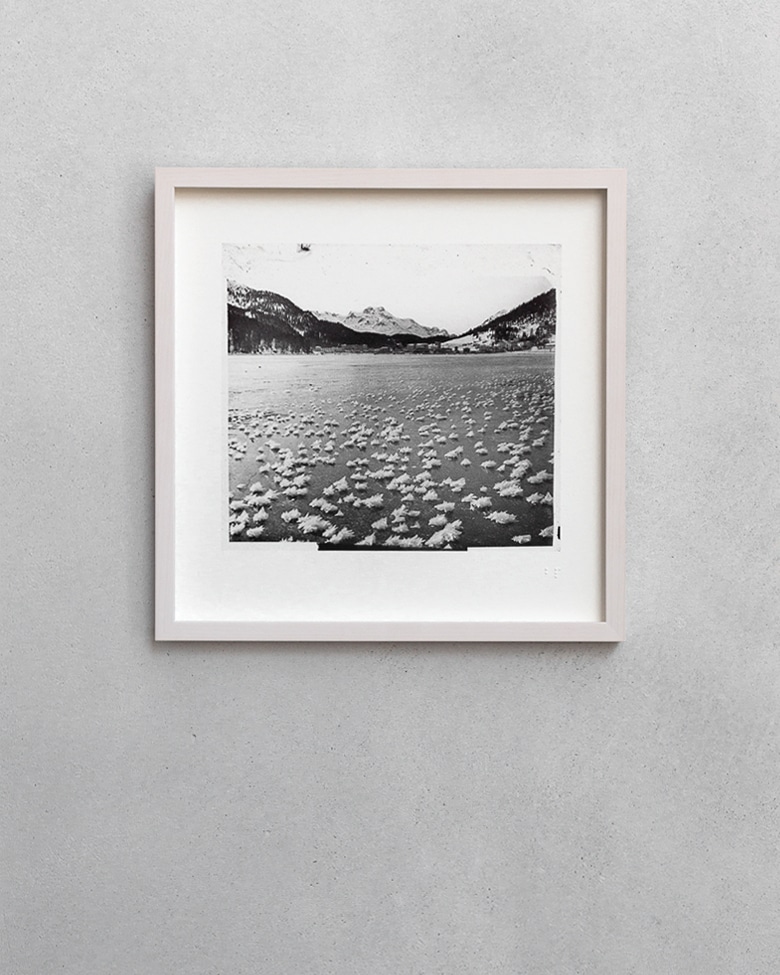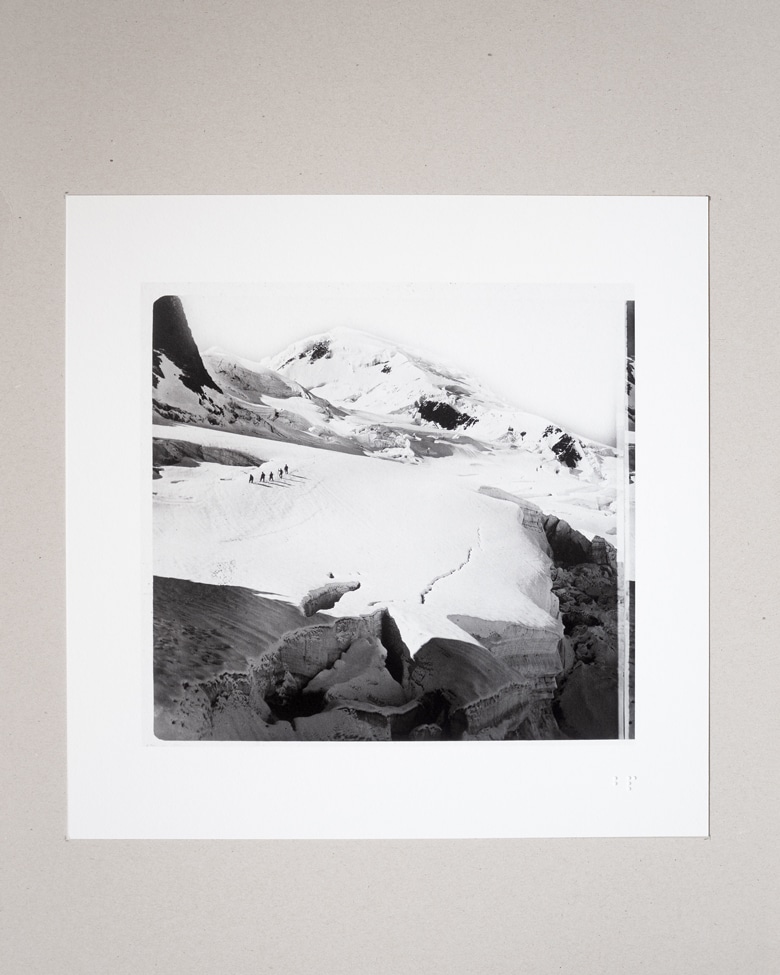
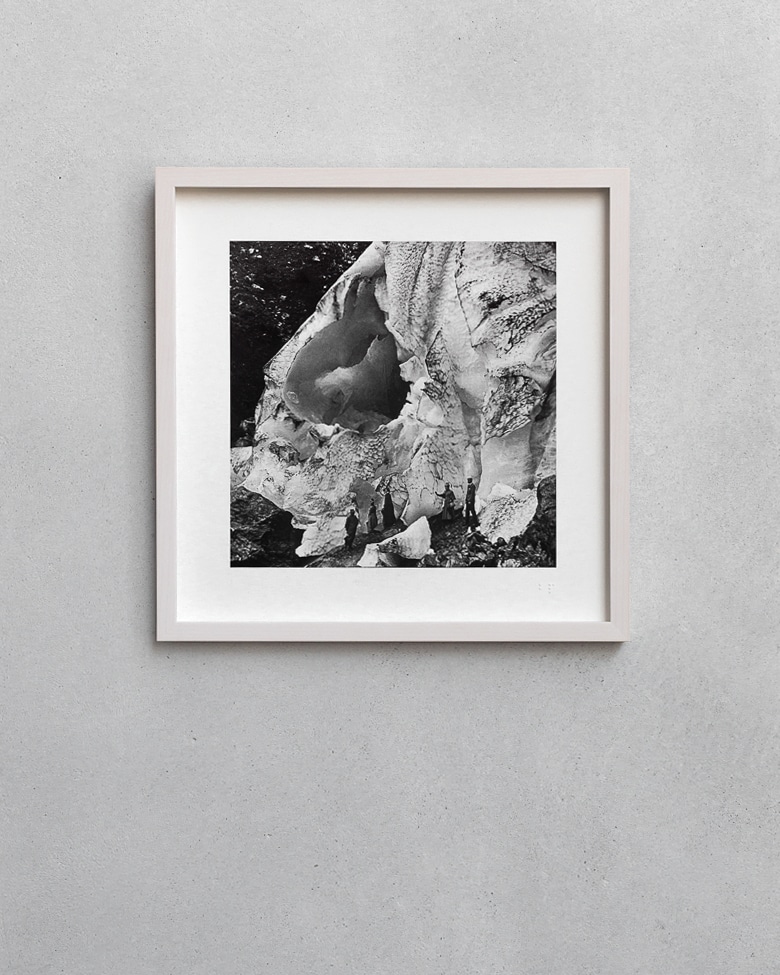
Reynolds & Branson of Leeds were scientific instrument makers and publishers of educational lantern slides for Victorian schools and universities. Their Physiography series takes its title from the discipline systematised by T.H. Huxley in his widely used 1877 textbook of the same name — physical geography rendered as a teachable science, concerned with the processes that shape landforms, water, ice, and atmosphere. The Buerbreen slide belongs to this tradition: an image made to illustrate glacial mechanics to an audience that would view it projected in a lecture hall, not framed on a wall. The photographer is not identified. The plate format — 8.5 × 8.5 cm — is standard for the lantern slide trade.
Buerbreen is an outlet glacier of Folgefonna, Norway’s third largest ice cap, descending steeply into the Buardalen valley some six kilometres southwest of the town of Odda. The glacier reached its maximum recorded extent around 1878 and held close to that position until approximately 1892 — making this photograph, dated c. 1885, a record of the glacier at or very near its greatest known advance. The first glacier photographs in Norway were made here, by the Odda photographer Knud Knudsen (1832–1915), beginning in 1864. By the time Reynolds & Branson published this plate, the Buerbreen was already drawing visitors from across Europe; the Hardangerfjord had become one of the principal destinations of the northern tourist circuit, accessible by steamer from Bergen.
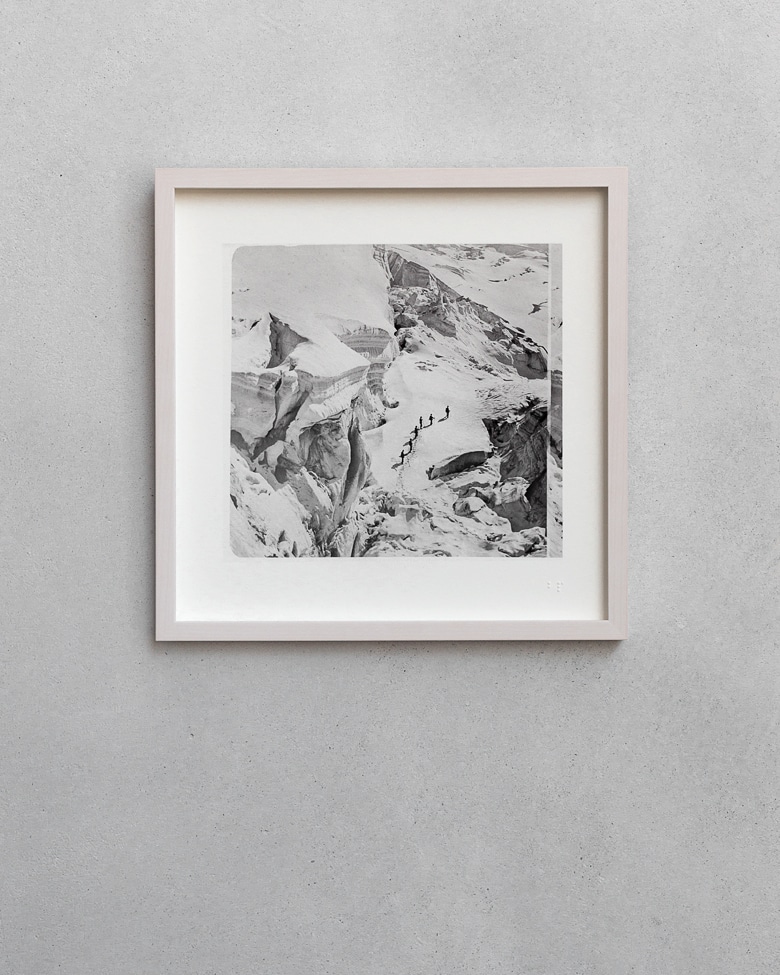
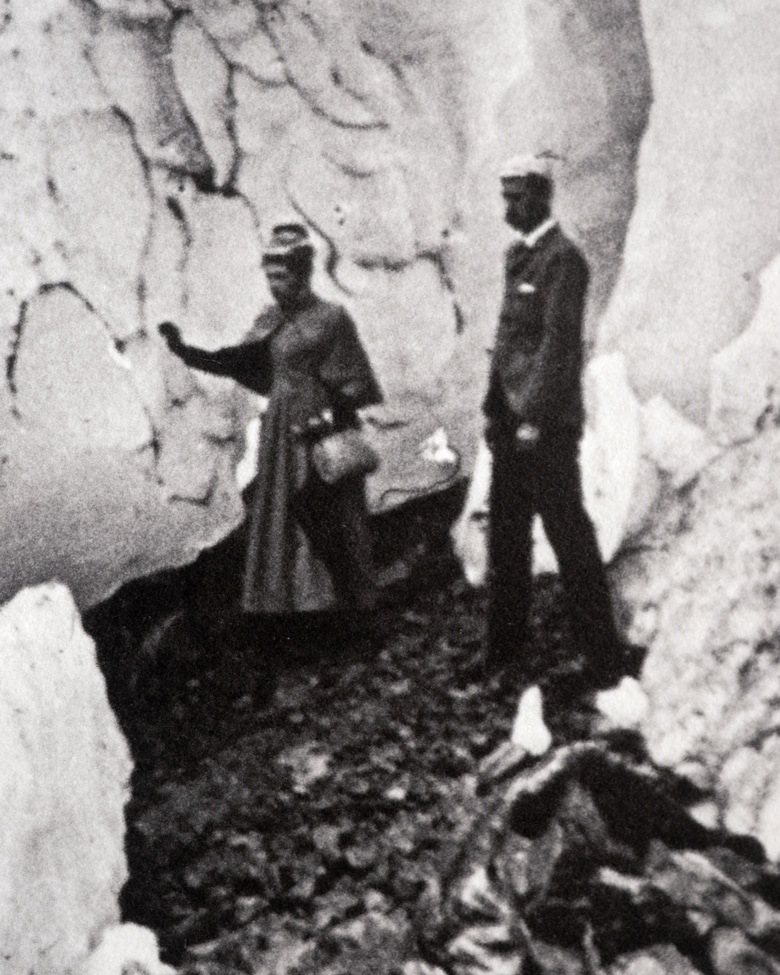
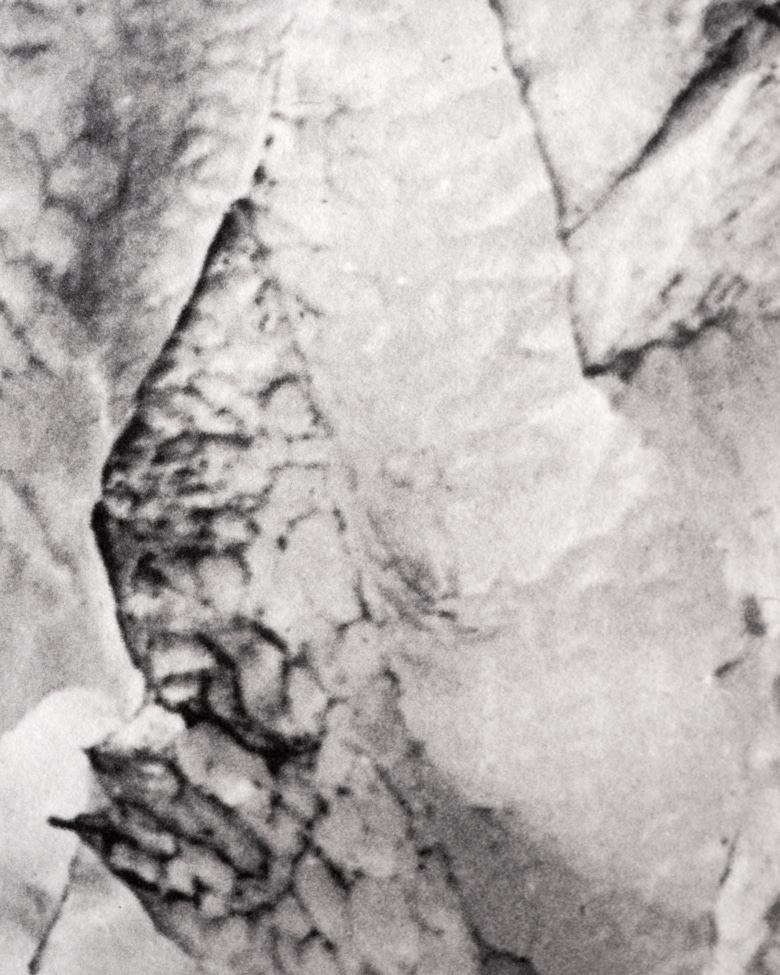
The image is not a panoramic record of the glacier in its valley. Whoever made it descended to the terminus and placed the camera at close range against the ice face. The five figures visible at lower centre establish the scale: the arch above them is several storeys high, the ice wall extends beyond the frame on both sides. It is the kind of image Huxley would have recognised as useful — it demonstrates mass and internal structure directly, without mediation. From 1933 onwards the glacier retreated by approximately one kilometre in under thirty years. It is currently losing around 25 metres per year, and guided hikes on the glacier itself are no longer possible.
The plate
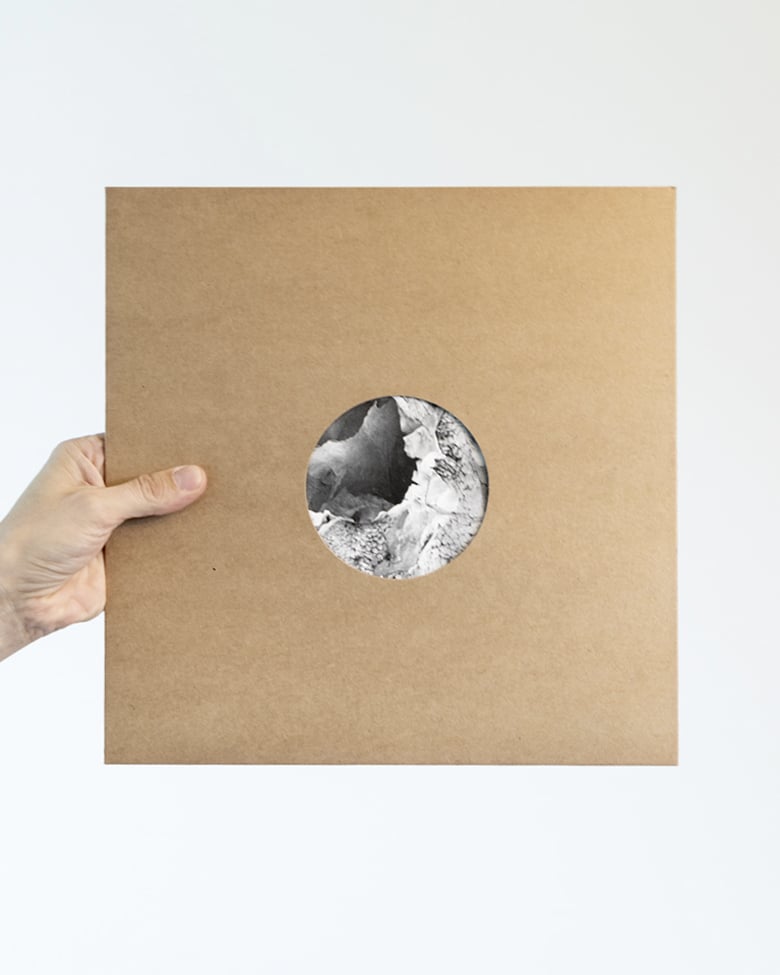
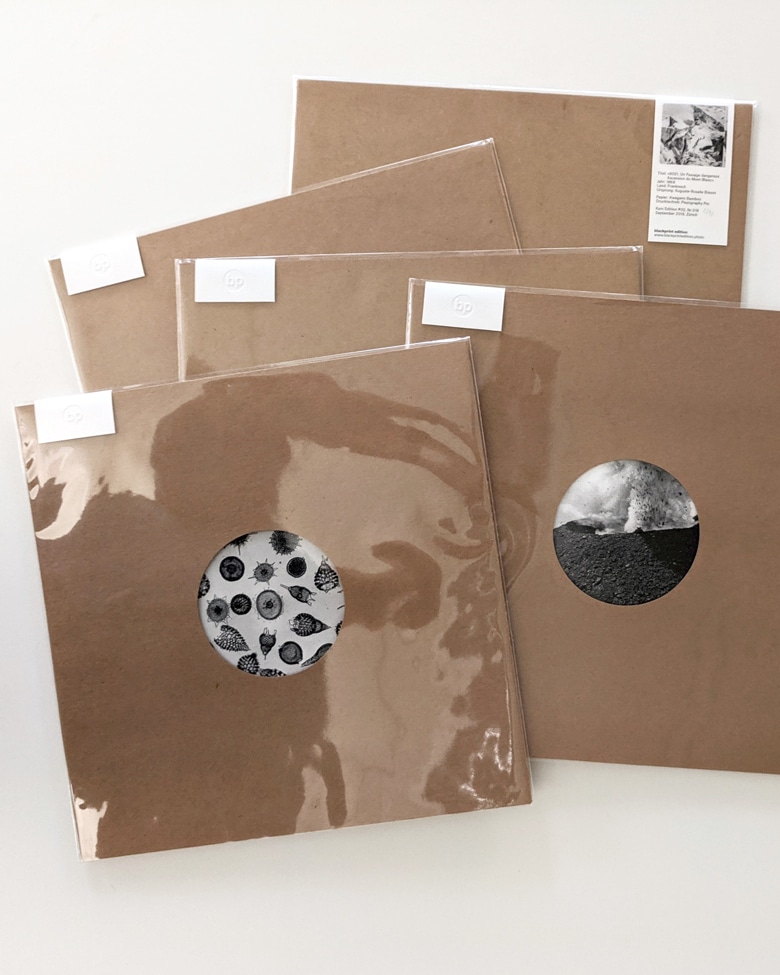
Glass slide 8.5 × 8.5 cm. Anonymous photographer. Published by Reynolds & Branson, Ltd., Leeds, under the series title “Physiography.” Dated c. 1885. From the blackprint collection.. Piezography® Pro print on Arches Velin BFK Rives White, 250 g/m² — a 100% cotton paper made by cylinder mould at the Moulin d’Arches in the Vosges (founded 1492), sole production site of the BFK Rives since 1982, when production was transferred from the Isère mills, a tradition rooted in Rives since 1573, carrying the ∞ watermark of archival permanence. Edition of 365, Zürich.