The Mer de Glace: A Confrontation of Perspectives (1824 – 1862 – 2026)
The ‘Mer de Glace’ is the largest glacier in France and the fourth largest in the Alps. In 1821, the painter Carl Gustav Carus visited the valley and later exhibited his work ‘Das Eismeer von Chamonix’ in Dresden in 1824. That same year, Caspar David Friedrich—who never traveled to the Alps himself—used Carus’s sketches as inspiration for his own painting ‘Das Hochgebirge’.
The Romantic Vision (1824): In his work, Friedrich makes a radical choice: he removes the glacier. This is not a prediction, but an aesthetic and spiritual stance. By “emptying” the valley, he creates a metaphysical void that projects the gaze toward the eternity of the peaks. For him, art must transcend topography to reach the Sublime.
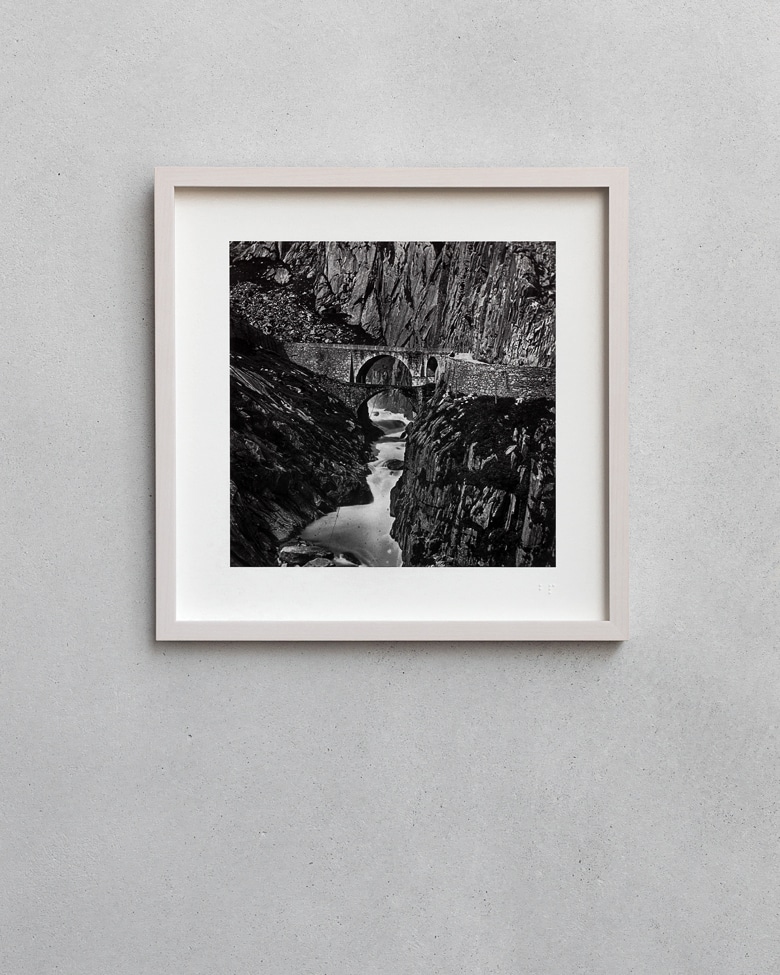
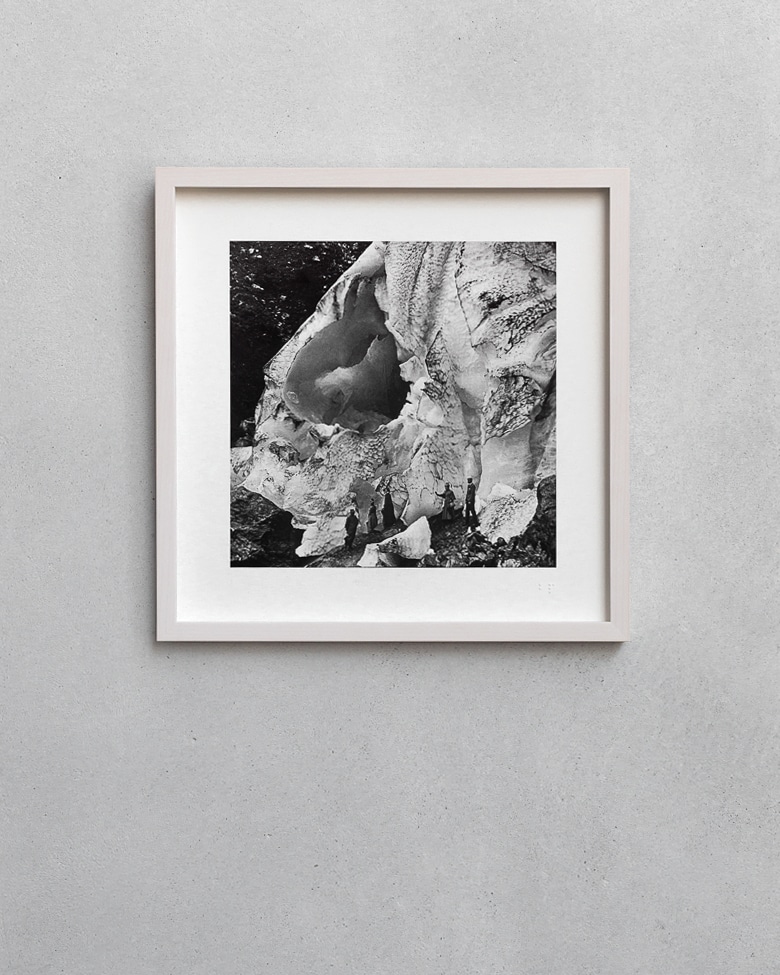
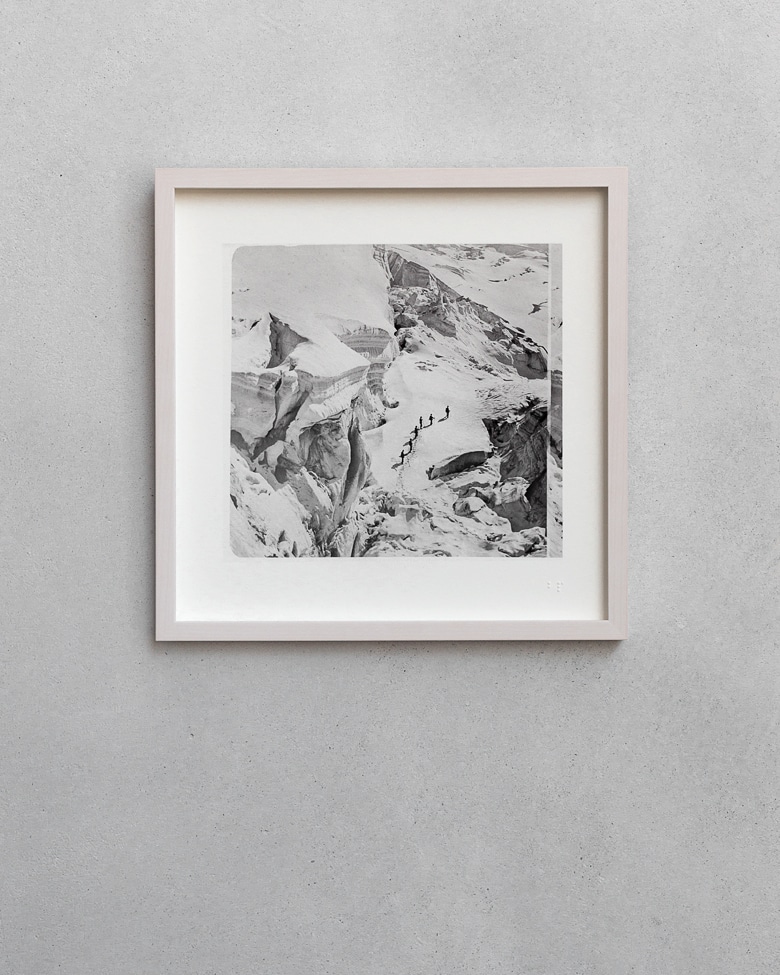
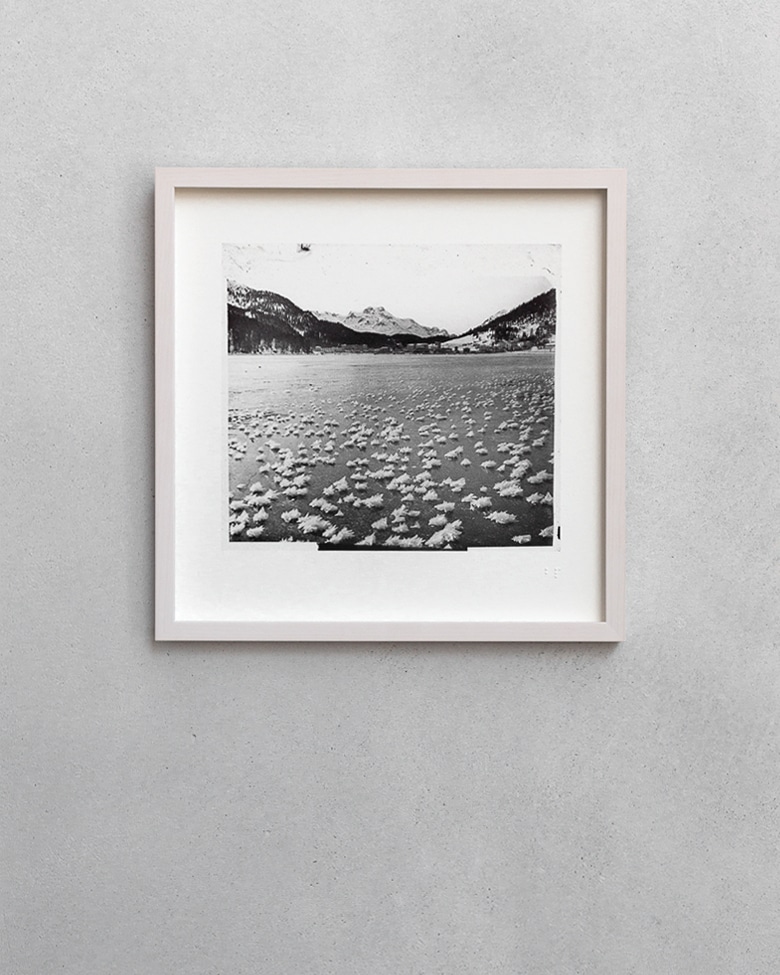
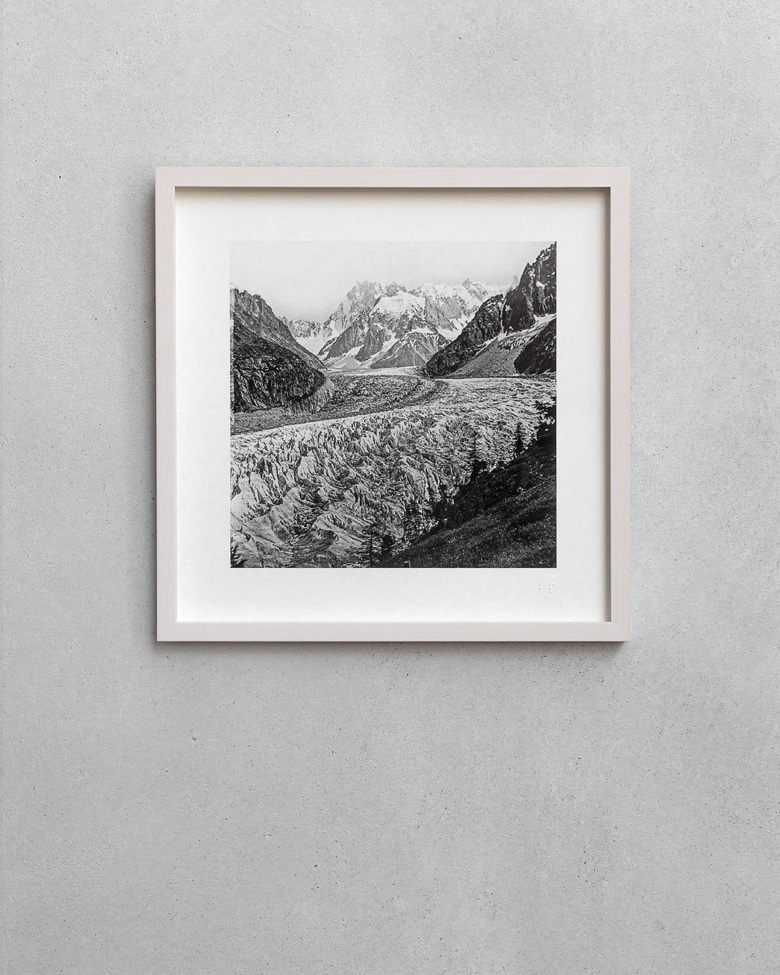
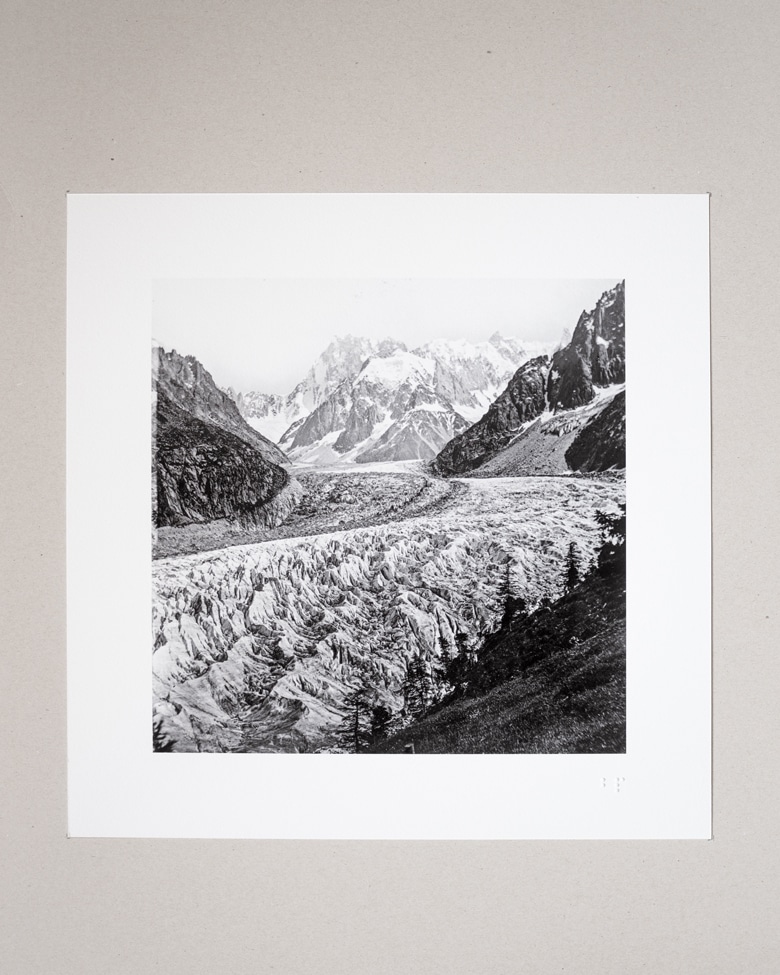
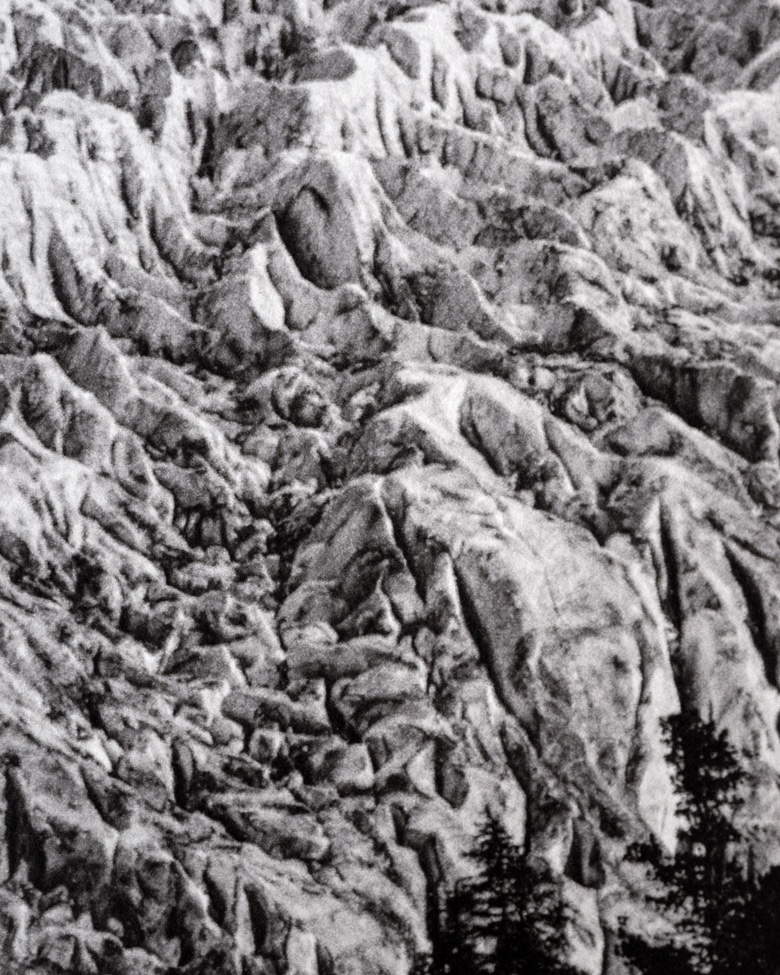
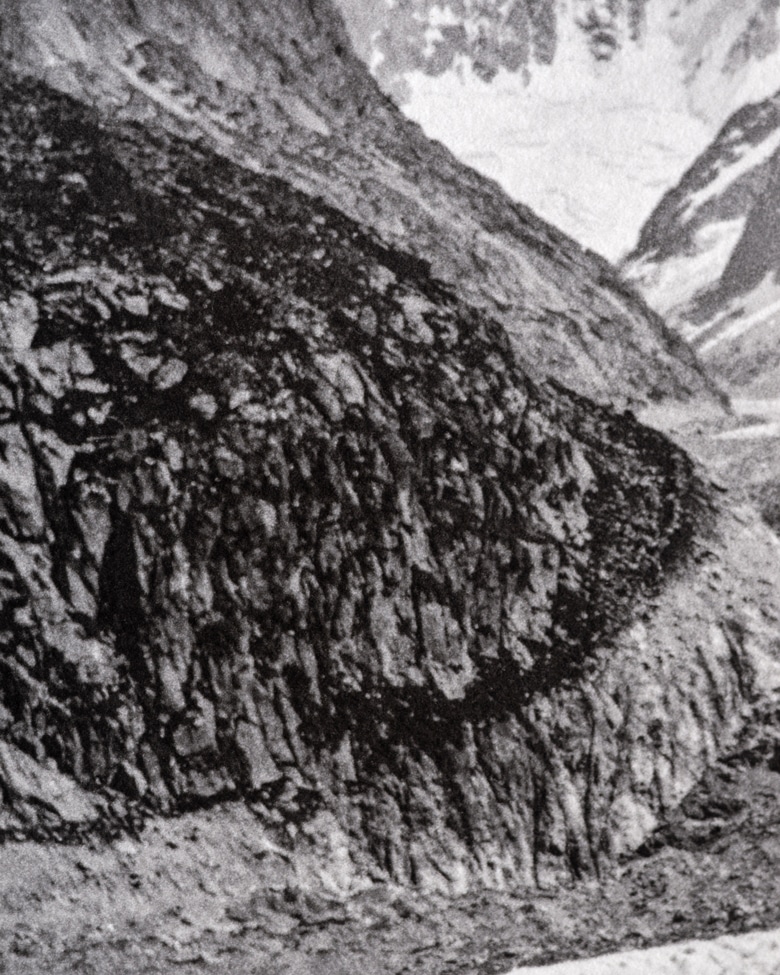
The Objectivity of Ferrier & Soulier (1862): In contrast, the Ferrier & Soulier agency asserts a factual truth. Their albumen collodion stereoscopic glass slides document physical reality with surgical precision. What was a “spiritual space” for the painter becomes a “scientific object” for the photographer, bearing witness to the raw power of the ice at the end of the Little Ice Age.
The Reality of 2026: Today, the irony is tragic: Friedrich’s “empty” valley has become our physical reality, not through artistic choice, but due to climatic necessity. Since 1862, the glacier has retreated by 2 kilometers and lost over 150 meters in thickness.
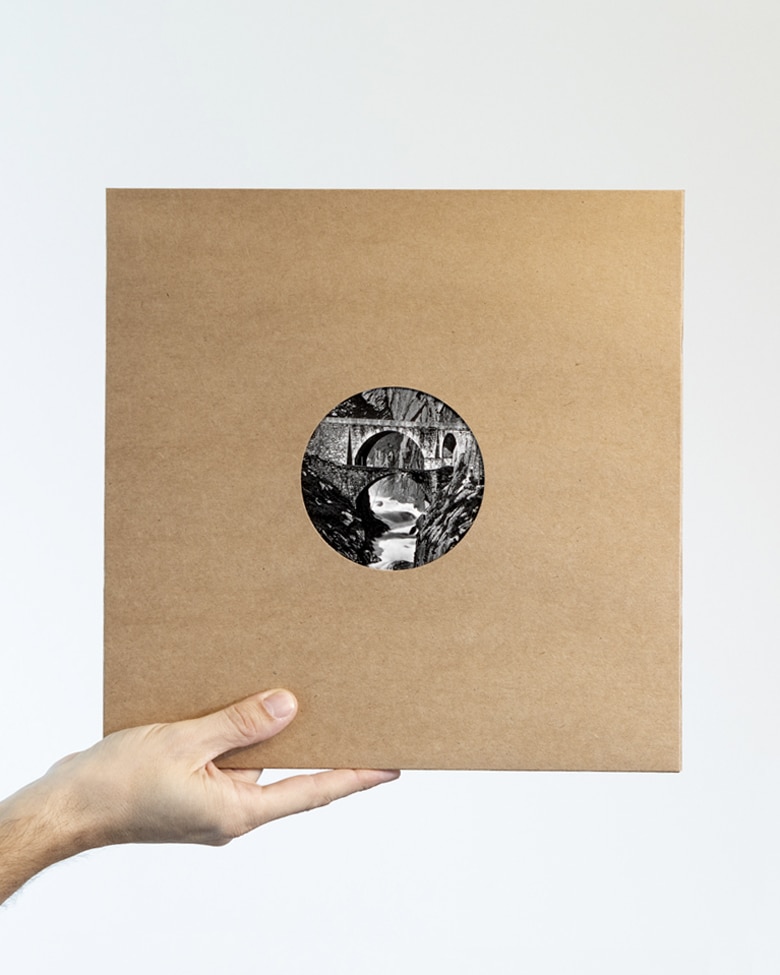
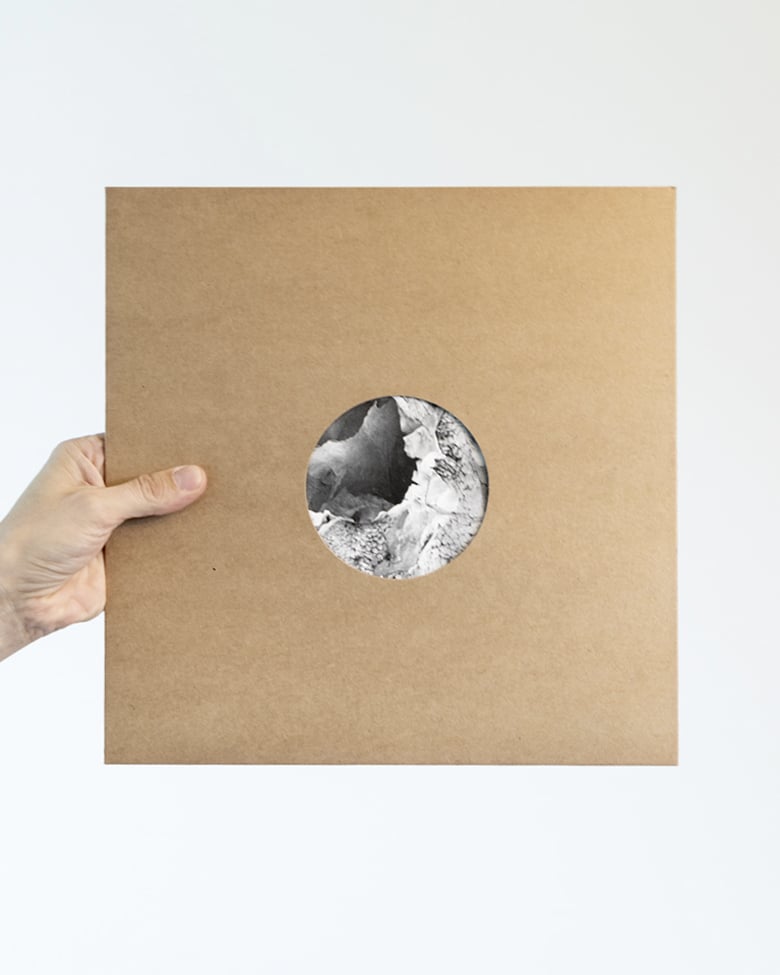
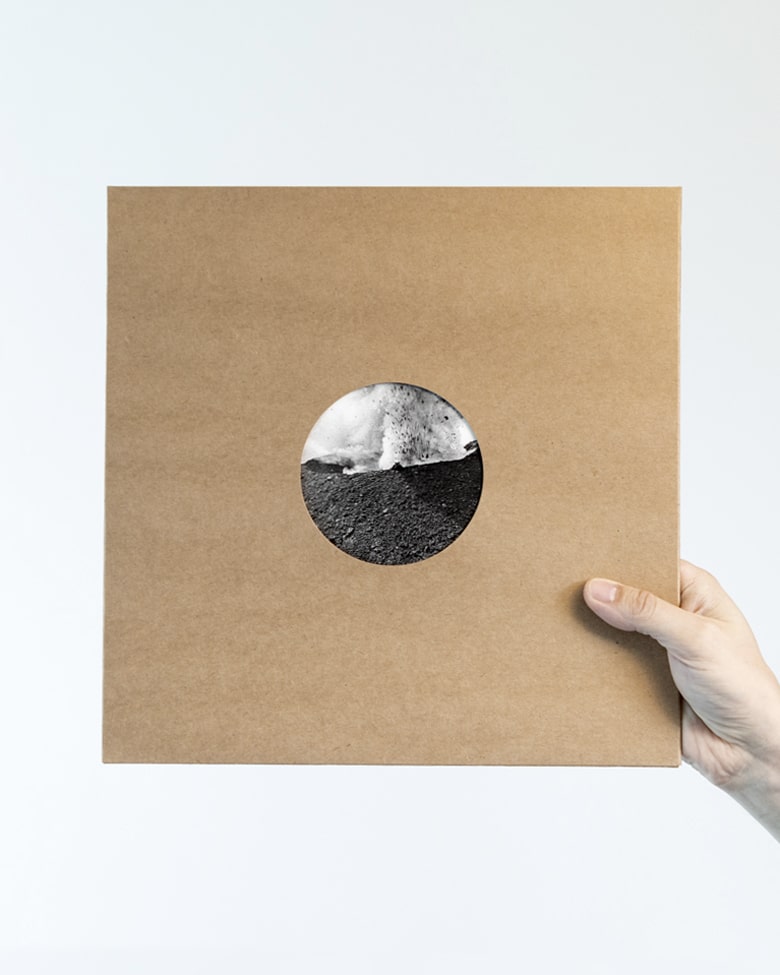
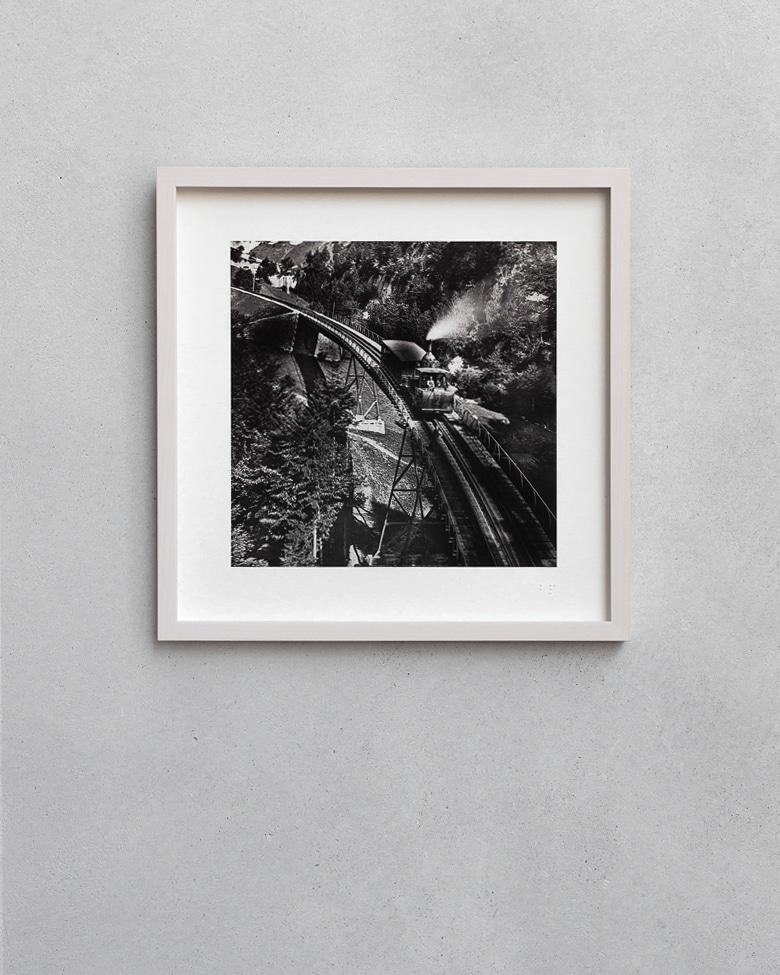
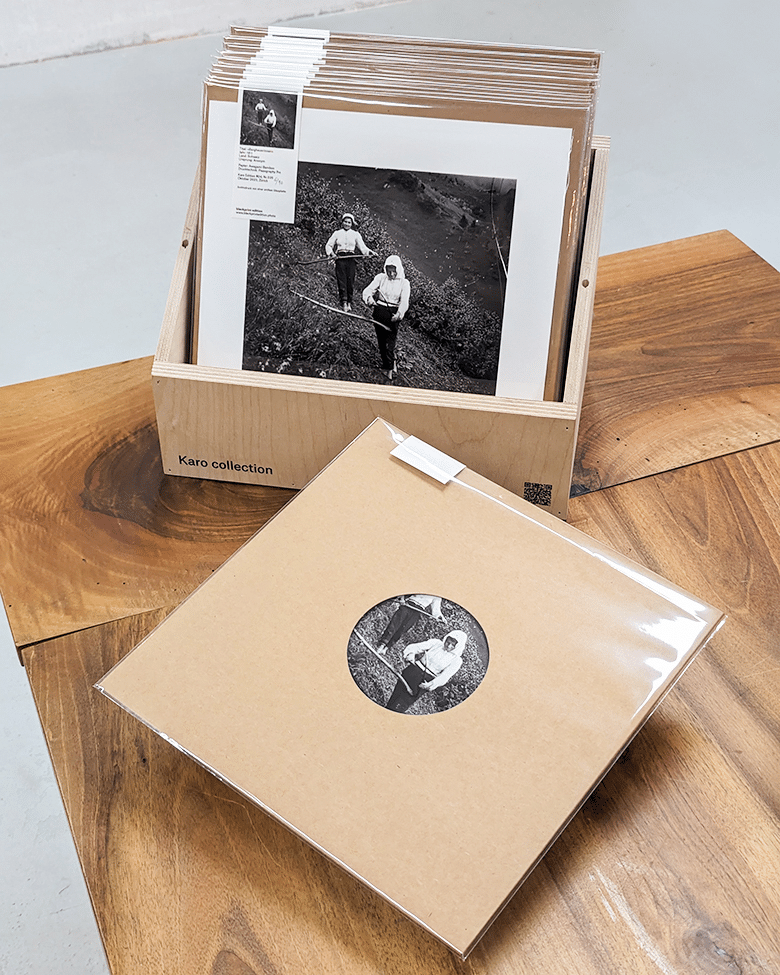
These images from the Karo Collection are major historical archives. They do not merely display the beauty of the Alps; they measure, by contrast, the magnitude of what we have lost.
Ferrier & Soulier: The Elite of 19th-Century Stereoscopy
In the mid-19th century, the Ferrier & Soulier agency embodied the excellence of luxury photography. As official suppliers to Napoleon III, they dominated the market thanks to a major technical innovation: the albumen collodion glass positive. Unlike paper prints, glass offered crystalline transparency and surgical sharpness, creating a striking illusion of depth once the plate was placed in a stereoscope.
The agency operated as a true publishing house, acquiring negatives from the era’s greatest photographers, notably Auguste-Rosalie Bisson. Their extensive catalog listed thousands of views, from European monuments to alpine expeditions, documenting the world with a rigor that was both aesthetic and scientific.