Buerbreen: The Ice Laboratory of the “Northern Grand Tour” (ca. 1885)
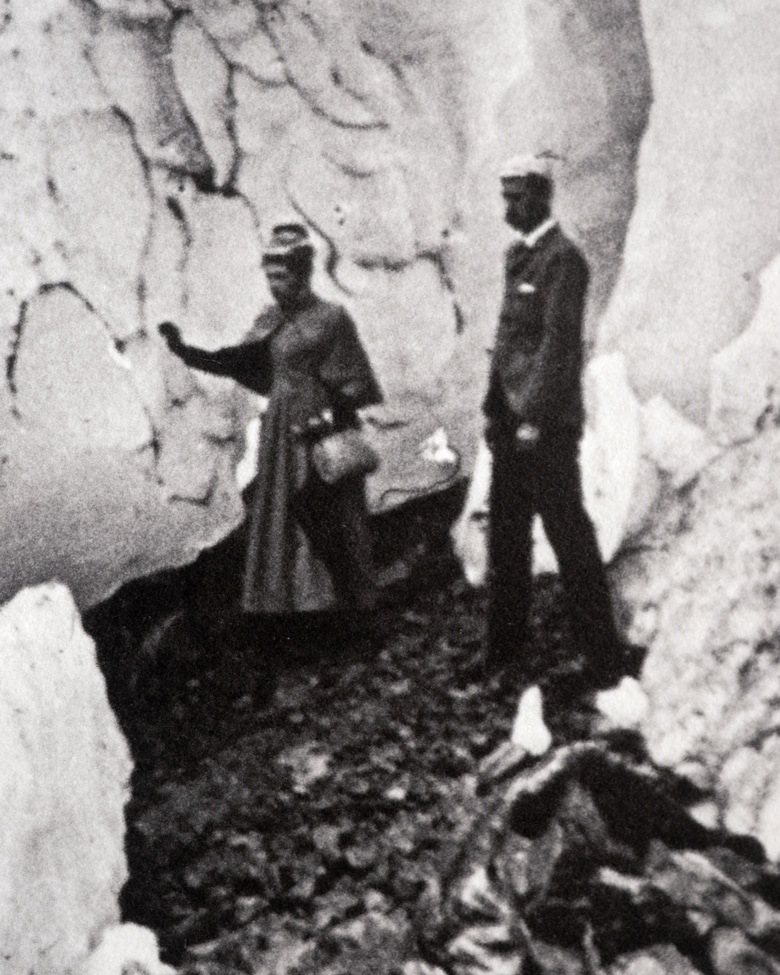
In the late 19th century, Norway emerged as the “New Chamonix” for the European aristocracy. From 1891 onwards, Emperor Wilhelm II anchored his yacht, the Hohenzollern, in the Odda fjord every summer, drawing the continent’s high society in his wake. The Buerbreen Glacier, with its spectacular ice tongue plunging dramatically into the lush valley, became the star attraction of this exclusive “Grand Tour.”
“Physiography”: Nature under the Microscope
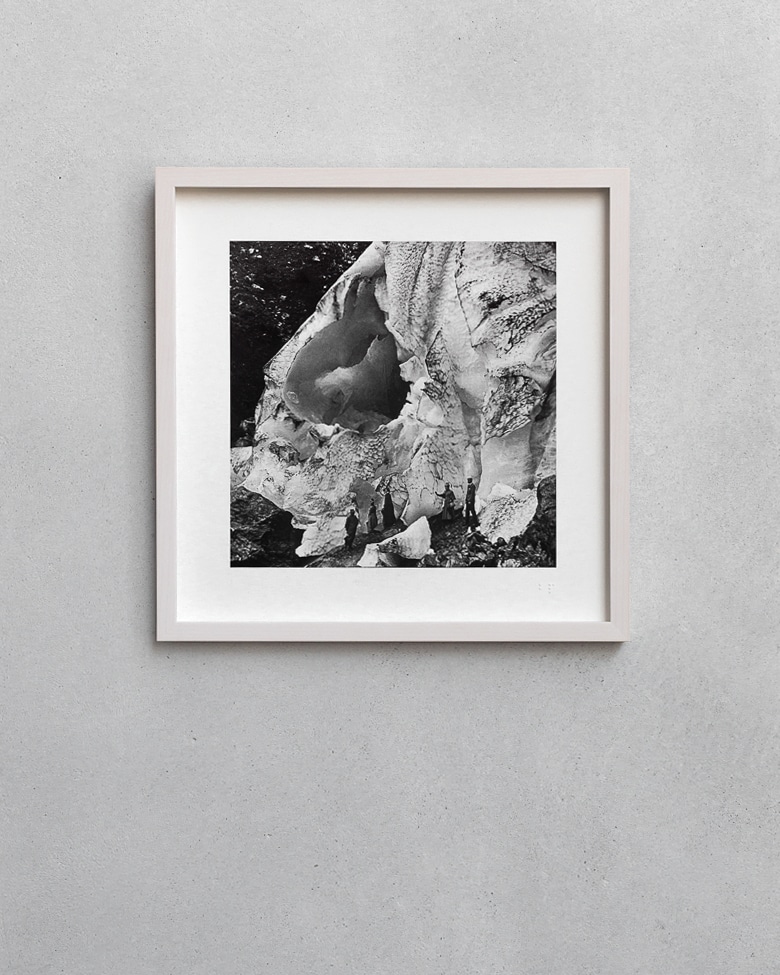
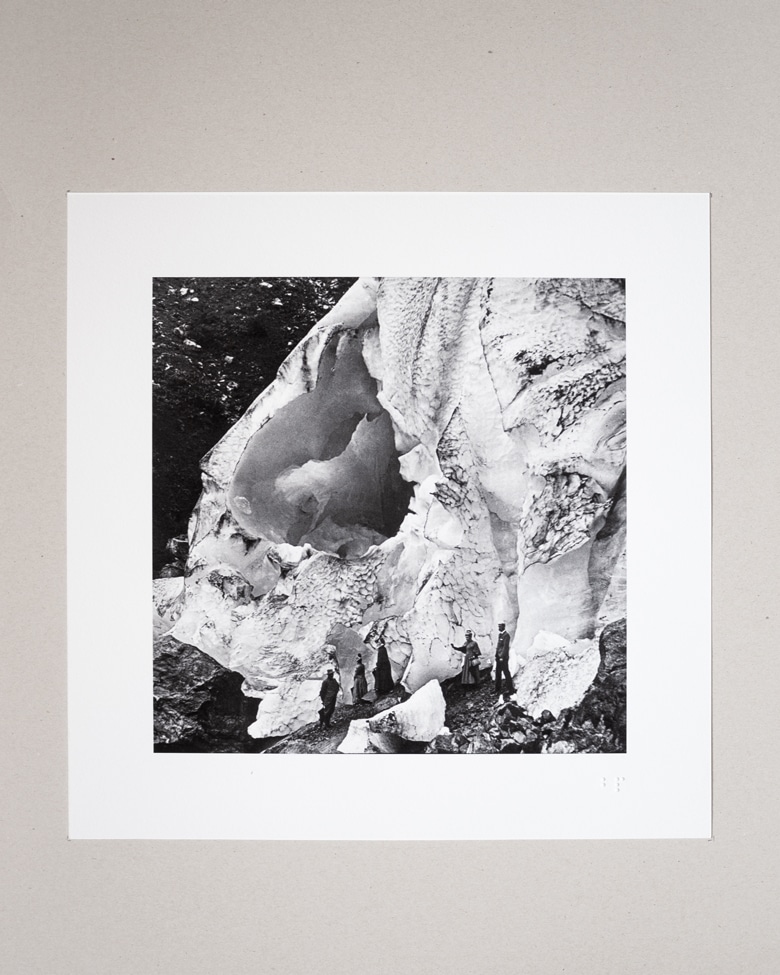
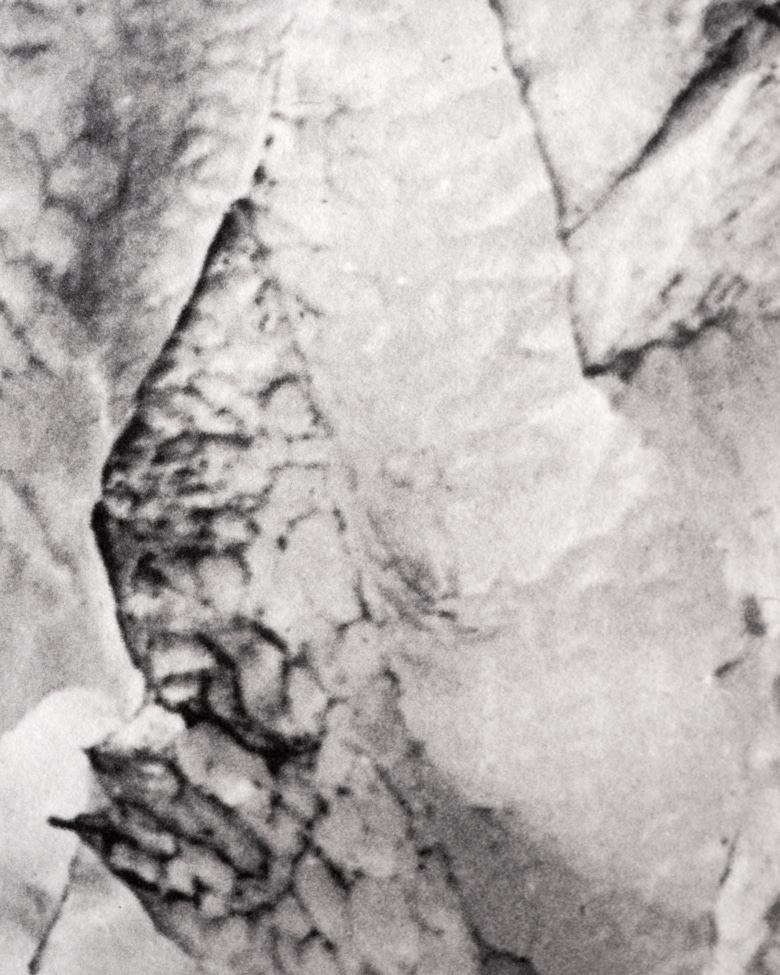
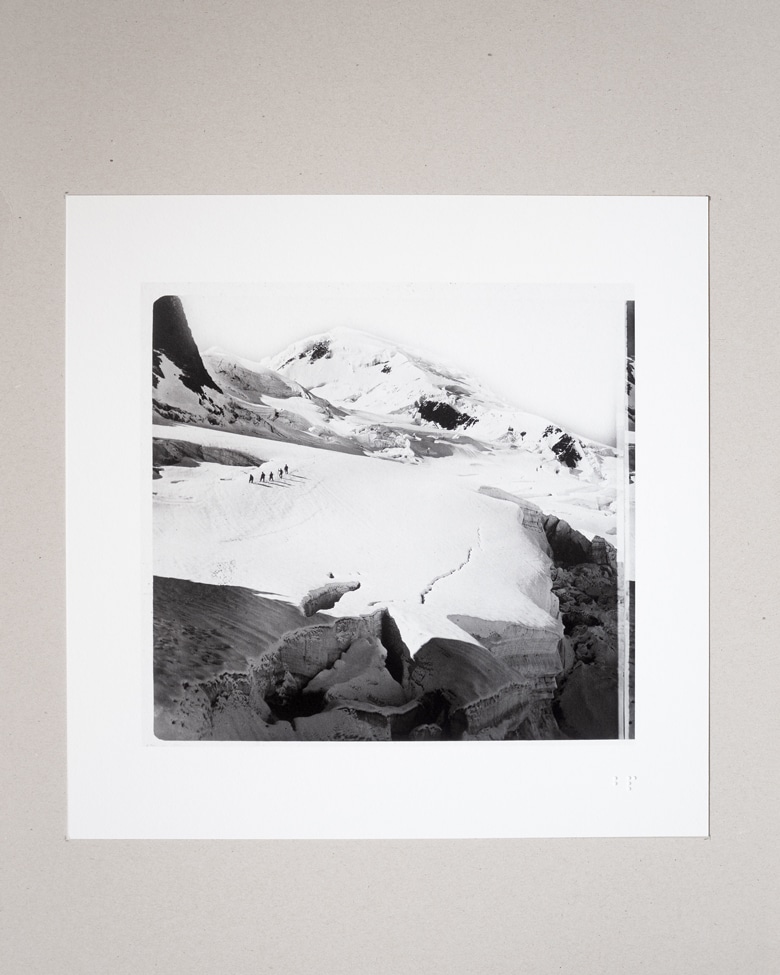
Published by the renowned scientific instrument makers Reynolds & Branson (Leeds), this slide bears the title Physiography (Physical Geography). This label reveals its primary function: education. In the Victorian era, one did not merely admire the landscape; one sought to classify it. Produced for scholarly circles, this image served as a precise tool to illustrate glacial mechanics, turning a breathtaking vista into a scientific laboratory.
Then & Now: An Ecological Vanishing Act
The Peak of the Ice (c. 1885)
This photograph captures the Buerbreen at a unique moment in history: the peak of the “Little Ice Age.” At the time of this take, the glacier was an unstoppable force of nature, advancing so aggressively that it crushed farmland and threatened the homes of the Odda valley. It was a low-altitude giant—a wall of blue ice easily accessible to the Victorian travelers who flocked to marvel at its power.
The Reality Today
Comparing this image to the present day is a sobering exercise. The massive river of ice seen here has vanished from the valley floor. Today, the Buerbreen is “perched” high upon the mountain slopes, having retreated kilometers up the valley. What was once a menacing, majestic monster is now a distant remnant.