Claude-Marie Ferrier (1811–1889) is credited with producing the first glass stereoview in 1852, working from the Paris atelier of optician Louis-Jules Duboscq. In 1859 he formed a partnership with his son Jacques-Alexandre and with Charles Soulier (1816–1886), establishing the firm known as Ferrier père, fils et Soulier. The business was acquired in 1863 by Léon & Lévy, who continued to sell the Ferrier & Soulier catalogue under those names. The firm’s albumenized-on-glass process — producing stereoscopic positives directly from albumenized-on-glass negatives — was technically unmatched among French studios of the period. Their catalogue eventually listed several thousand views, assembled in part from negatives acquired from other photographers. The first Ferrier stereoviews of the Chamonix valley date from the summer of 1856.
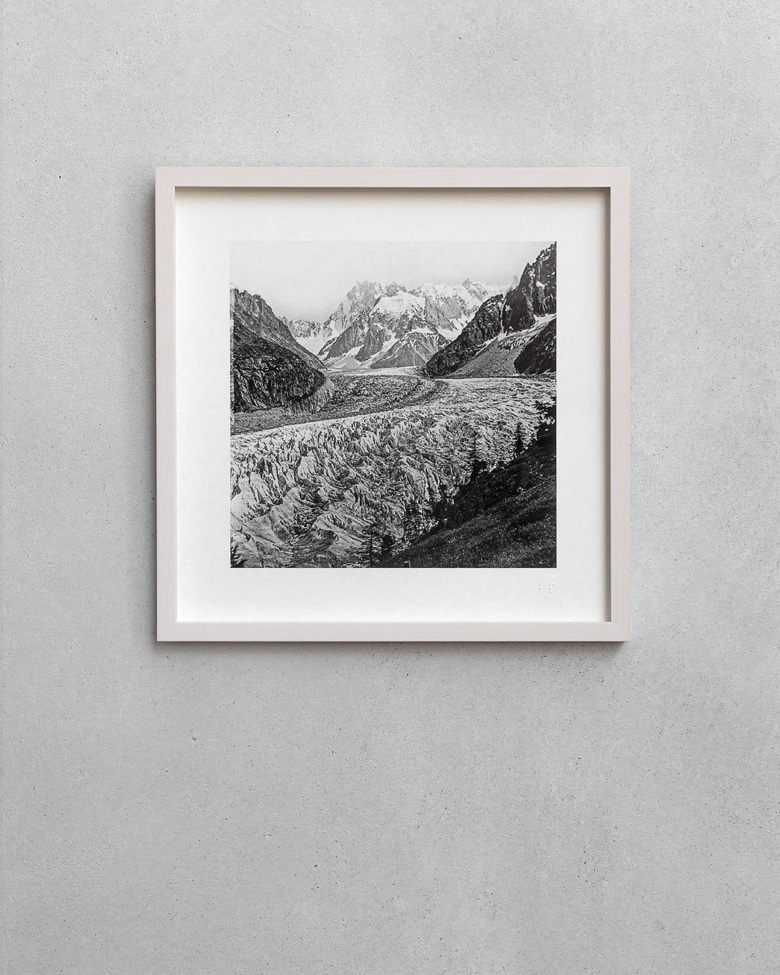
The Montanvers — the rocky promontory above the village of Chamonix at approximately 1,913 metres — had been the established viewpoint for the Mer de Glace since the eighteenth century, when the glacier became a destination for travellers undertaking what became the standard Alpine circuit. By 1862, a rack railway existed in plan though not yet in construction; the Montanvers was reached on foot or by mule. The Mer de Glace had reached its greatest extent at mid-century and had begun to retreat from that maximum by the time Ferrier photographed it. The image is made at a moment when the glacier still occupied the full width of the valley floor visible from this position.
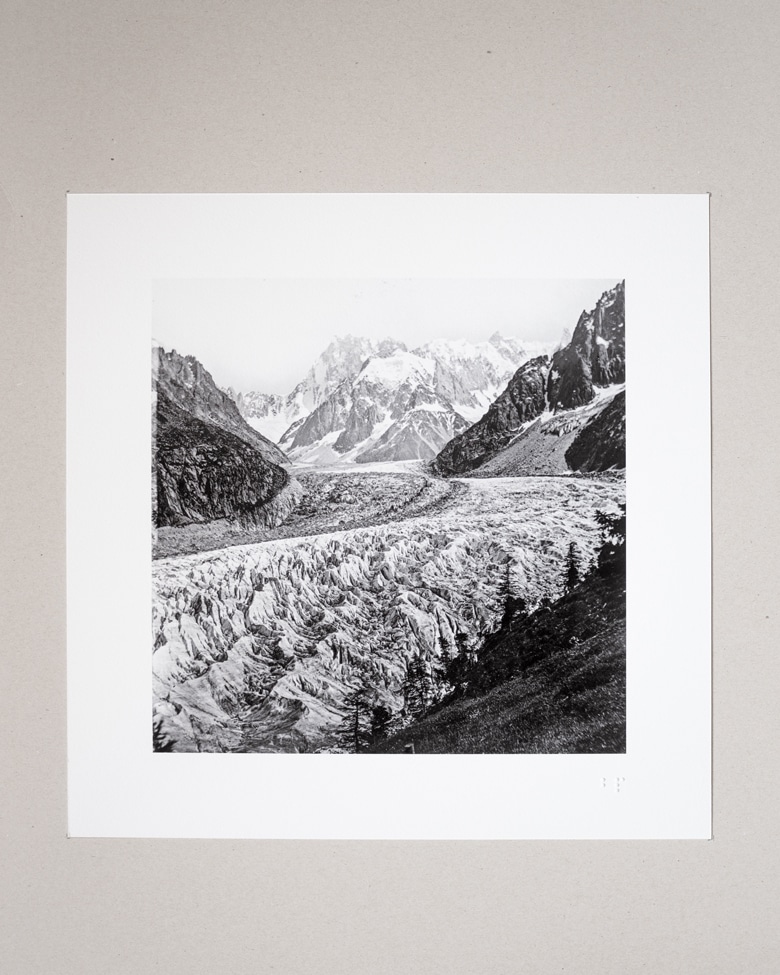
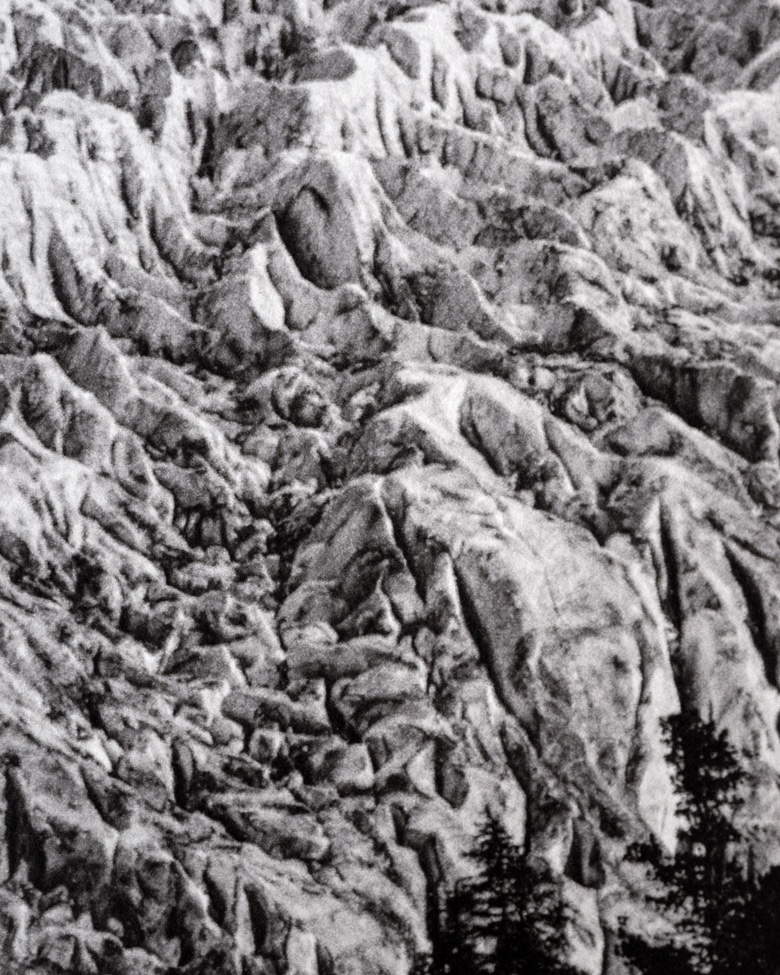
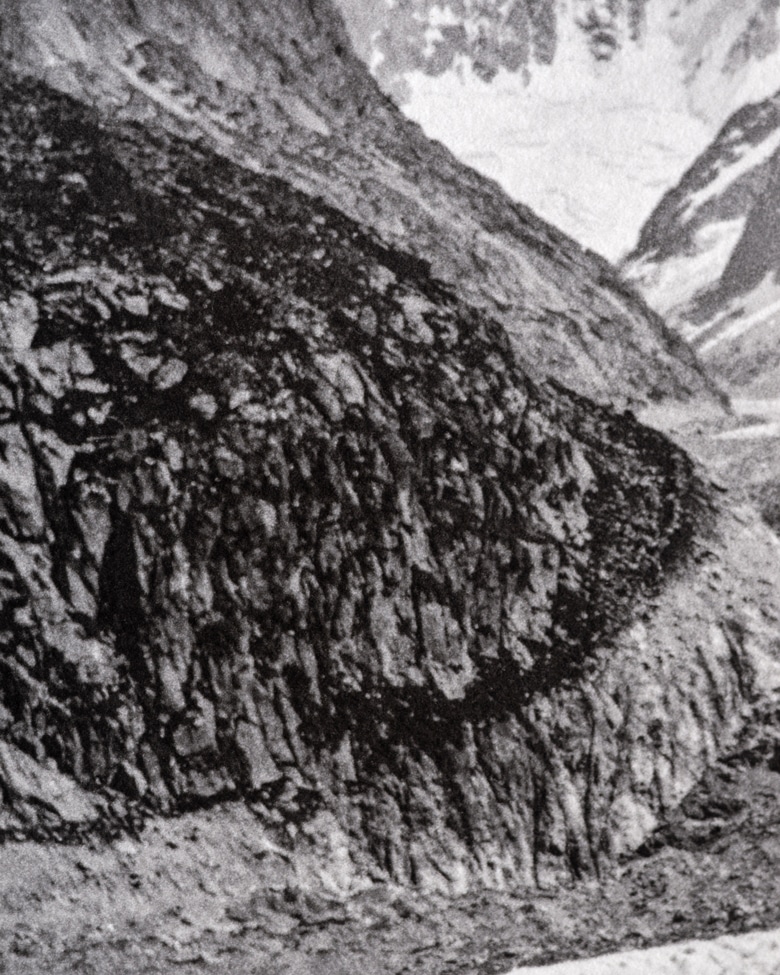
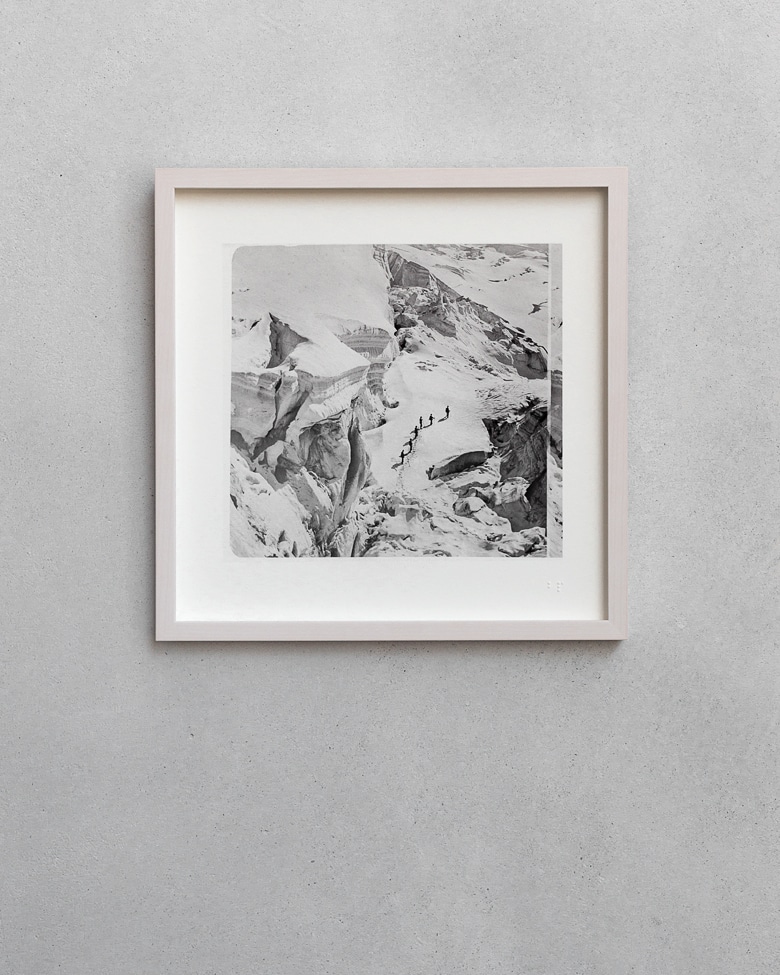
The plate number — 4532 — is indicative of the catalogue’s scale by 1862. What Ferrier documented from the Montanvers is the glacier as a physical object: not landscape, not panorama, but surface texture and mass. The seracs in the foreground resolve individually in the albumen-on-glass process; the icefield recedes toward the massif without atmospheric softening. The conifer treeline at lower right provides the only vertical element in a composition otherwise structured entirely by horizontal ice and the vertical face of the peaks behind. Since the glacier’s maximum extension around 1850 — the final years of the Little Ice Age — the Mer de Glace has retreated approximately 3 kilometres in length and lost some 300 metres of thickness. The plate was made within a decade of that maximum. What it shows is not a record of absence but of presence: a mass of ice that has since contracted far beyond the frame.
The plate
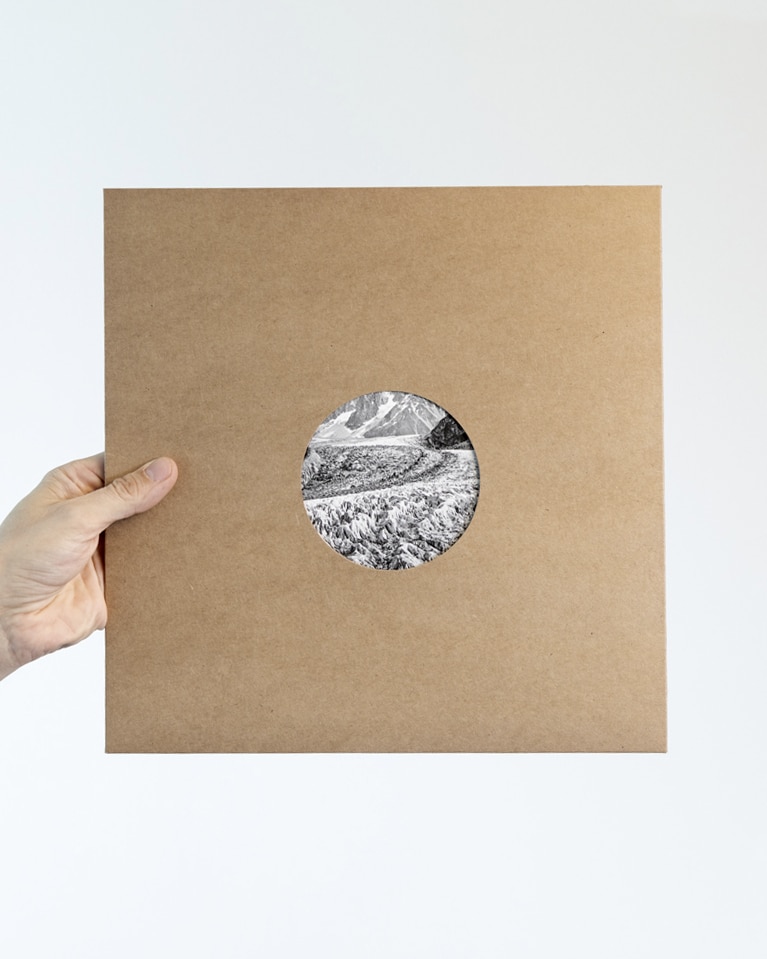
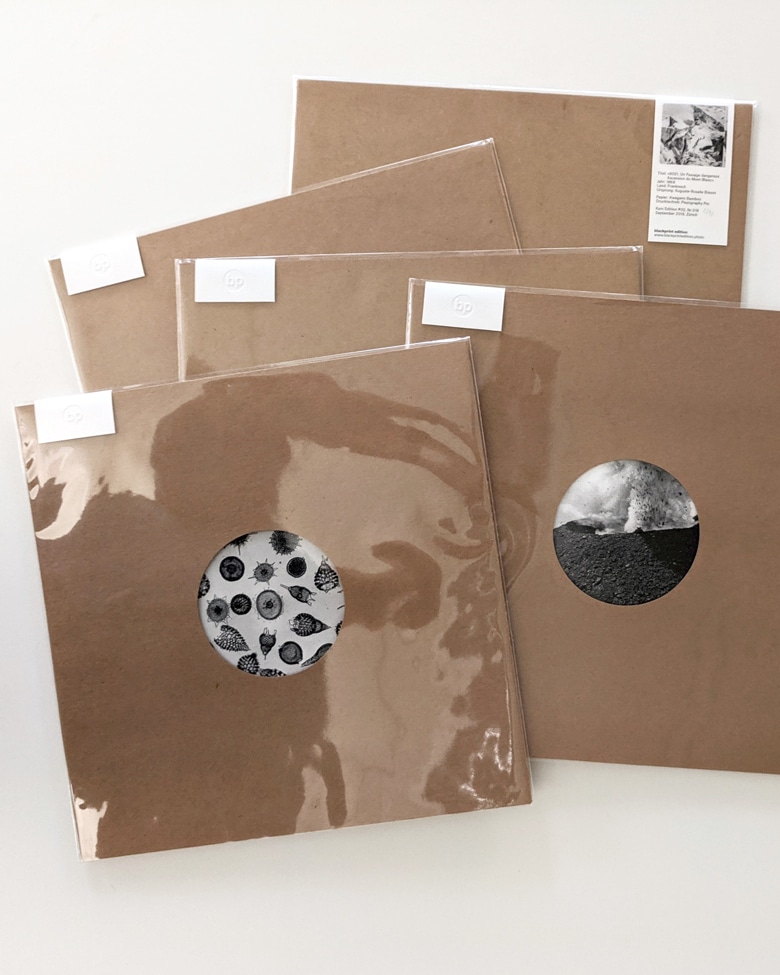
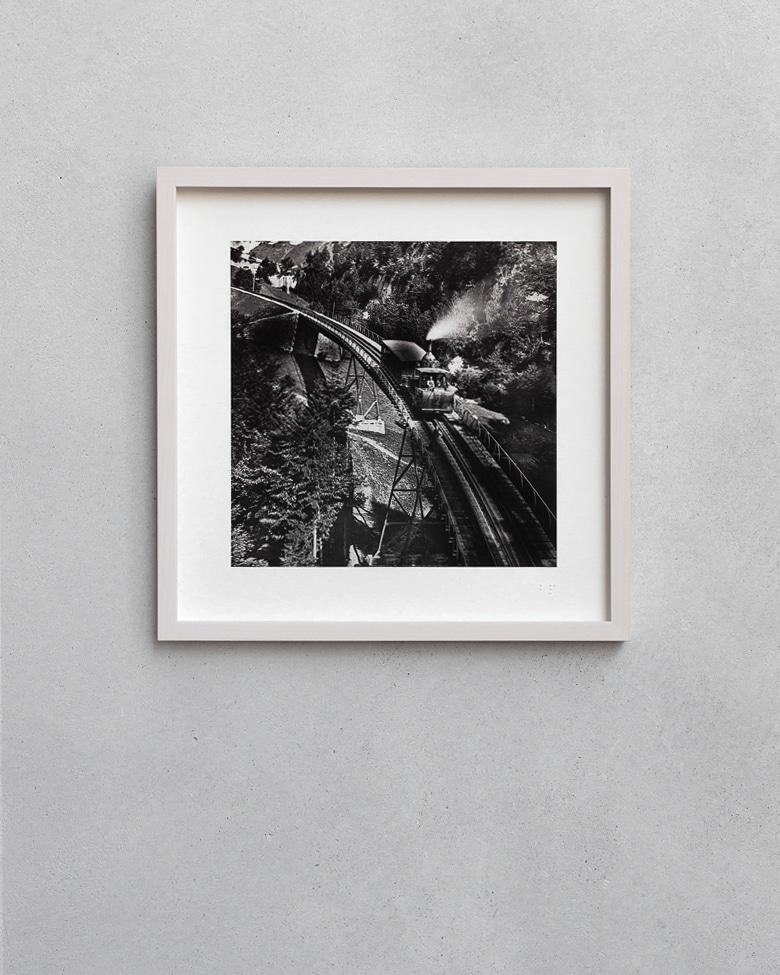
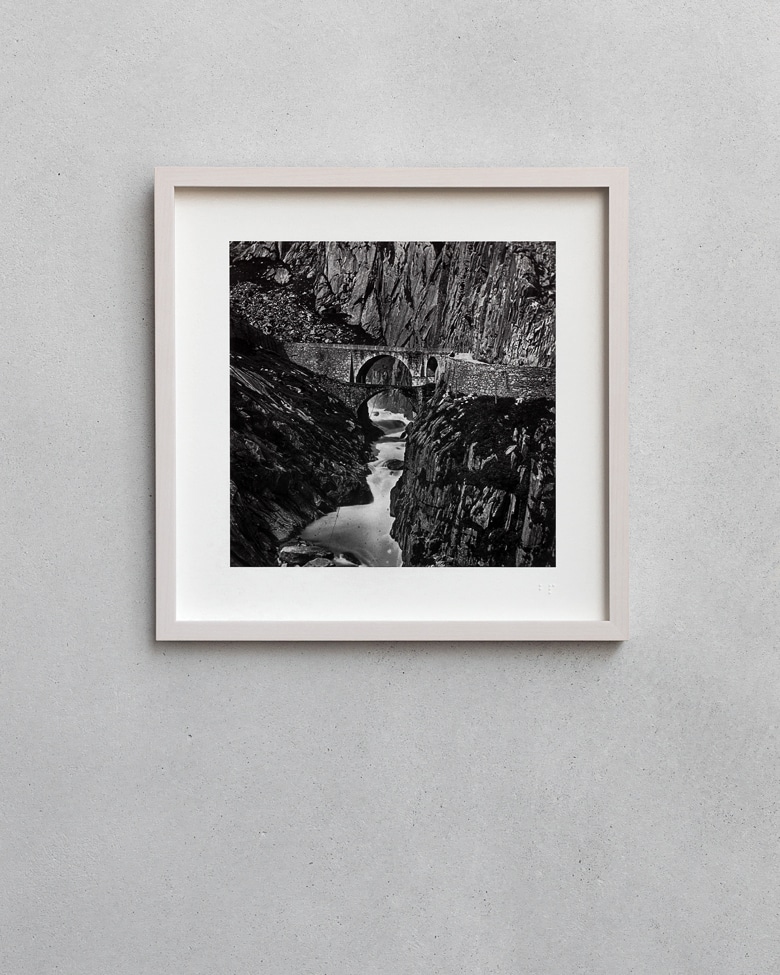
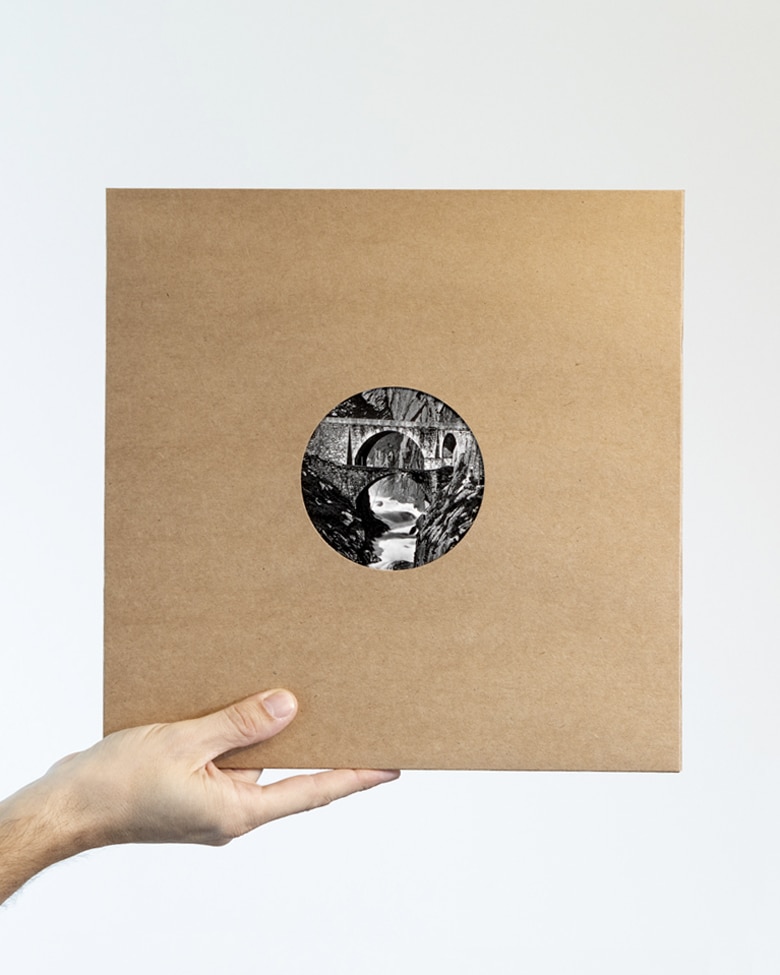
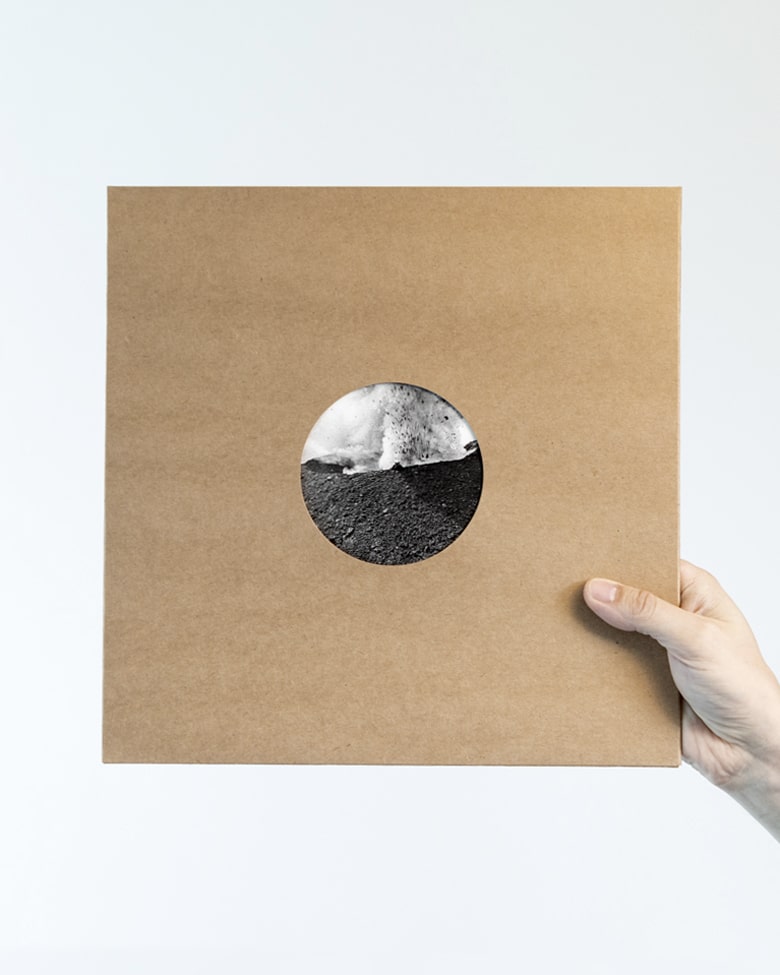
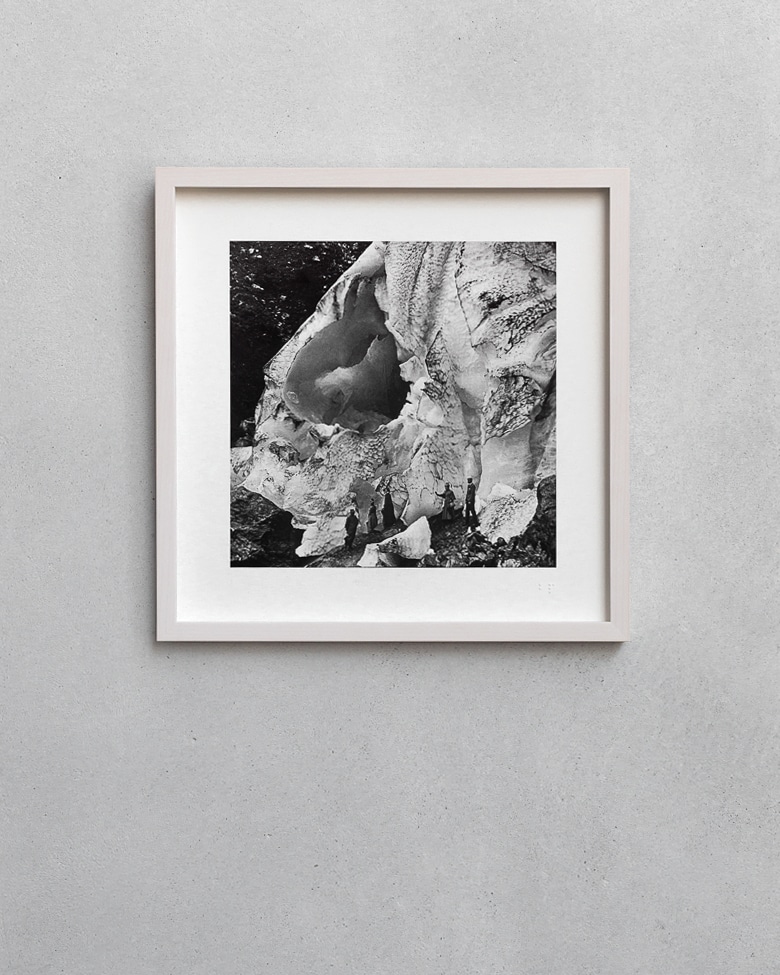
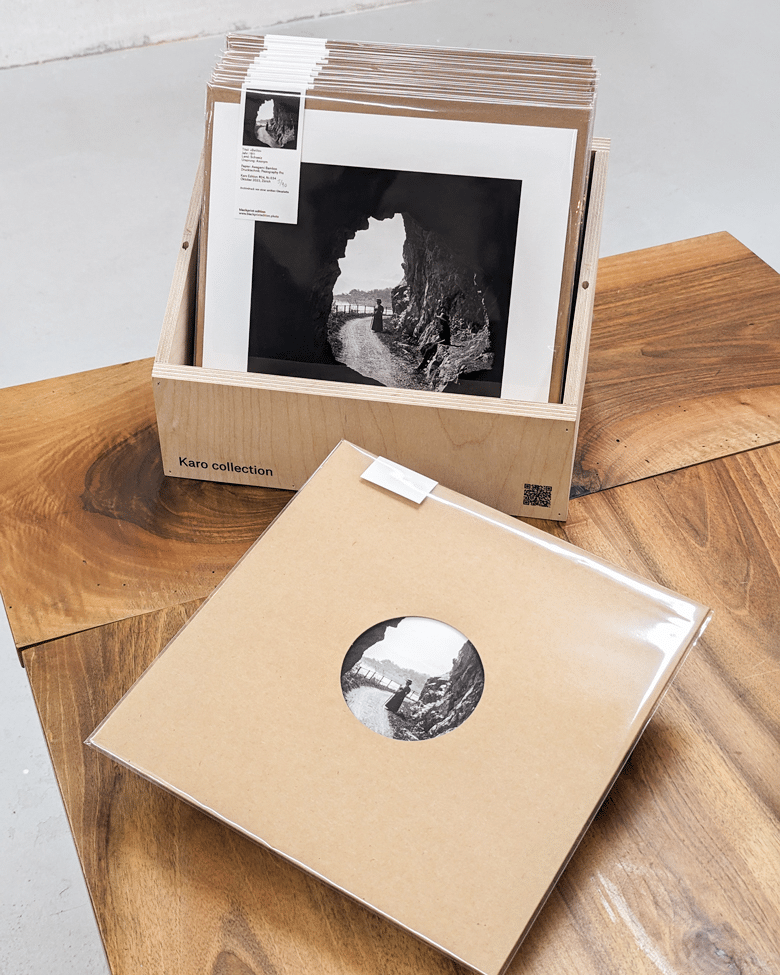
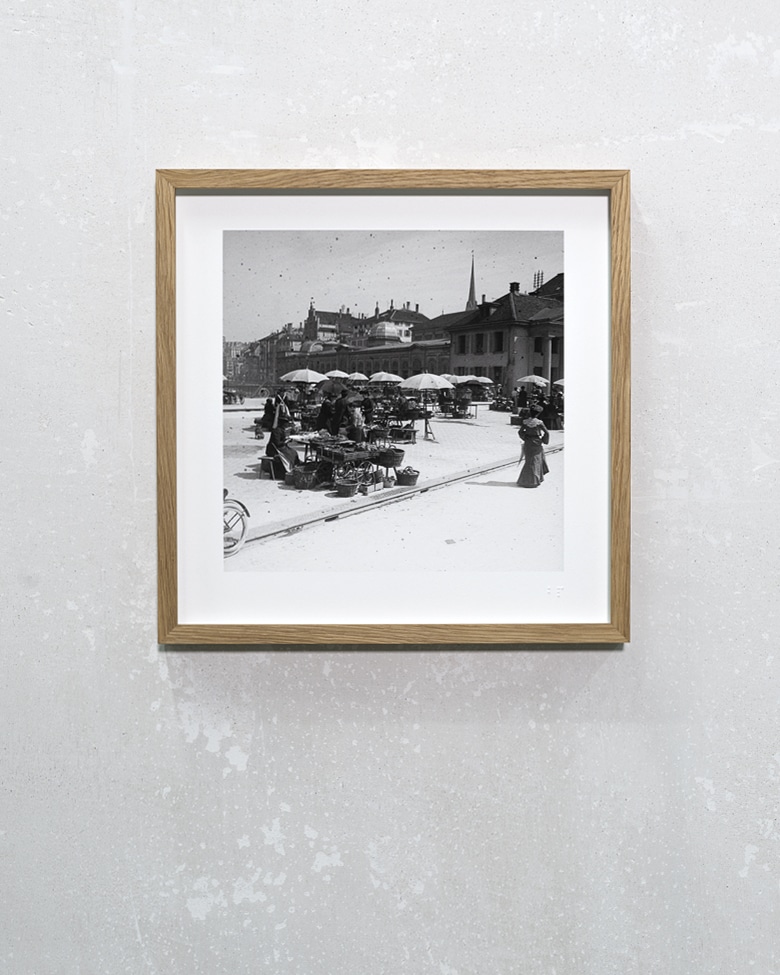
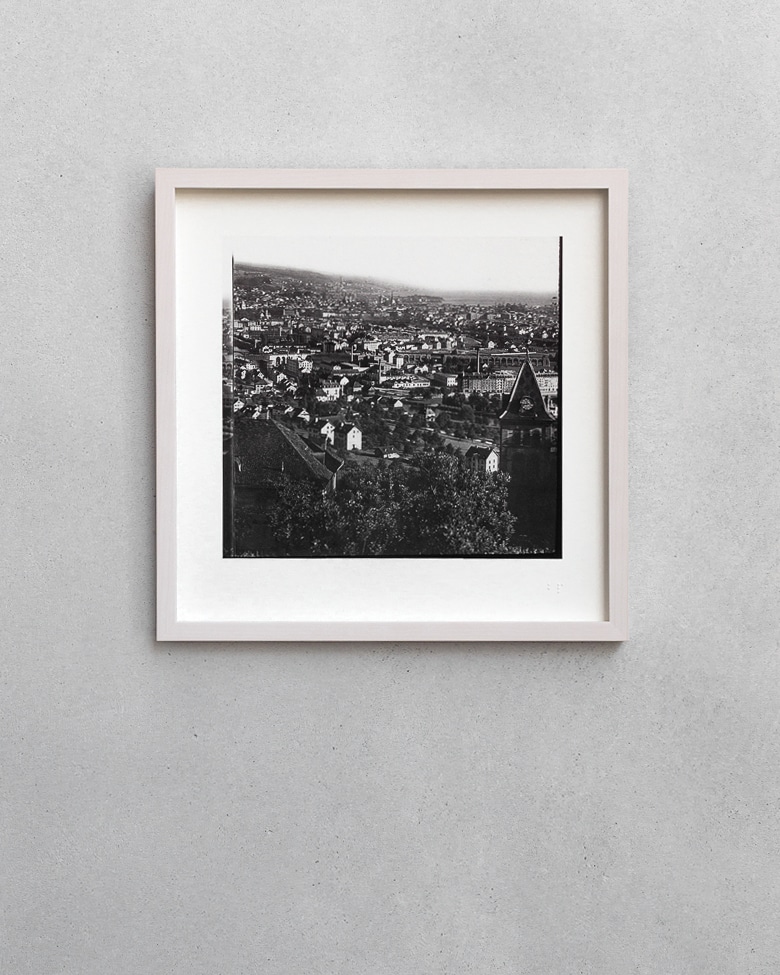
Stereoscopic glass slide 8.3 × 17 cm titled “4532. La mer de Glace prise du Montanvers (Savoie).” Ferrier père, fils et Soulier, 1862. From the blackprint collection. Piezography® Pro print on Arches Velin BFK Rives White, 250 g/m² — a 100% cotton paper made by cylinder mould at the Moulin d’Arches in the Vosges (founded 1492), sole production site of the BFK Rives since 1982, when production was transferred from the Isère mills, a tradition rooted in Rives since 1573, carrying the ∞ watermark of archival permanence. Edition of 365, Zürich.