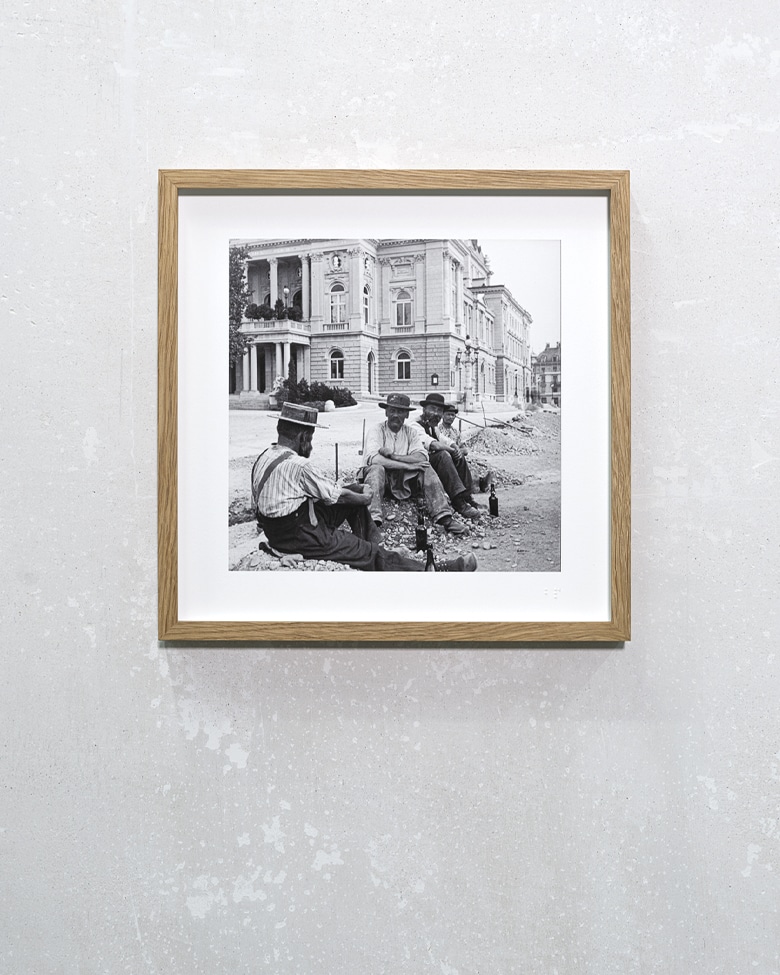
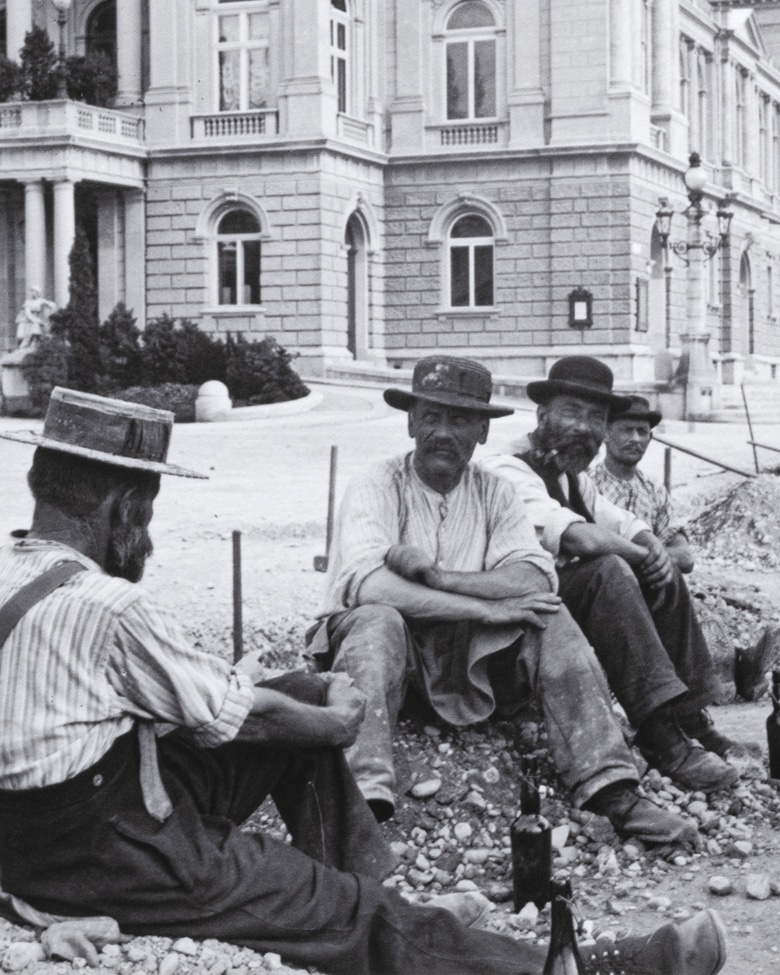
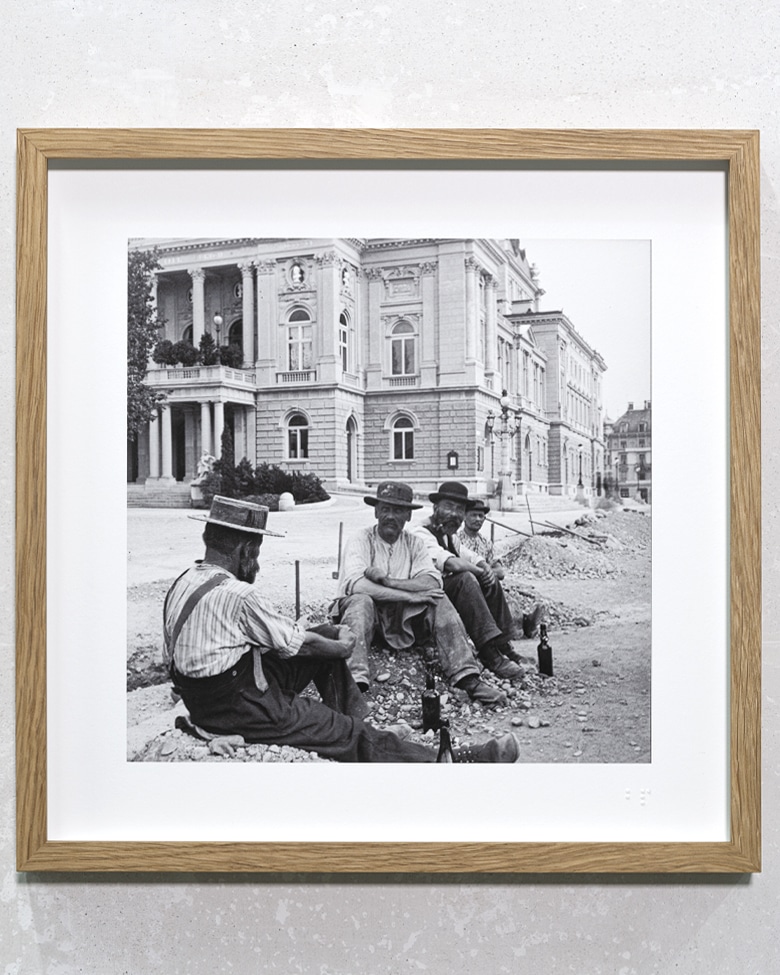
Title: “Zürich, Stadttheater, vom Utoquai her”
Year: 1900-1910
Country: Switzerland
Photographer: Johannes Meiner
Origin: Stereoscopic glass slide / Baugeschichtliches Archiv der Stadt Zürich
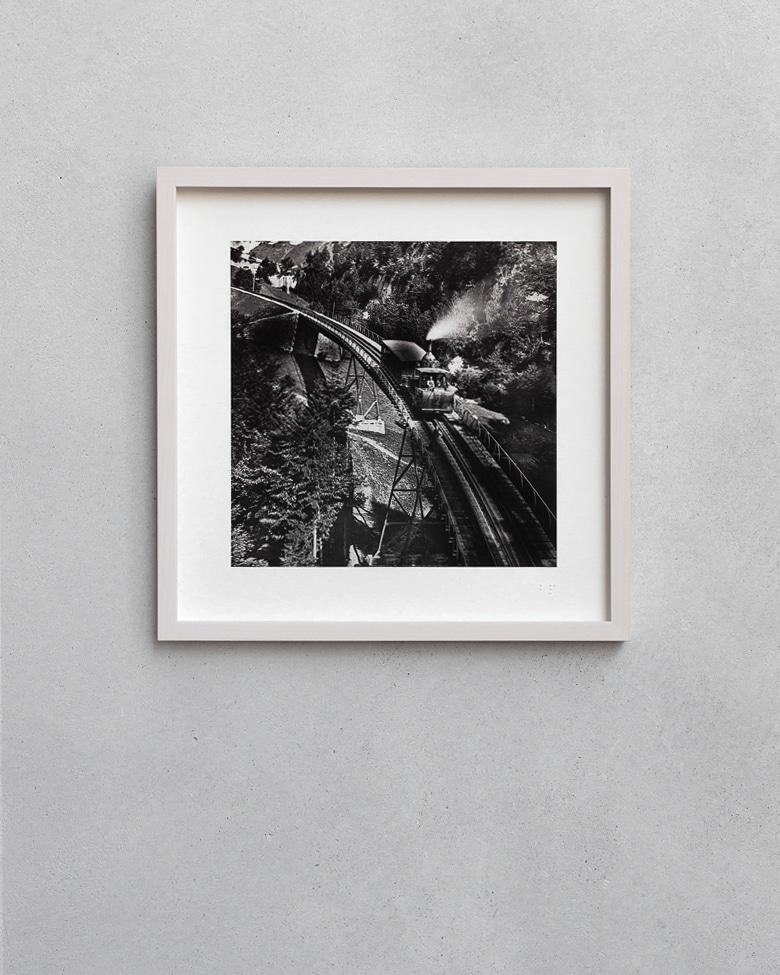
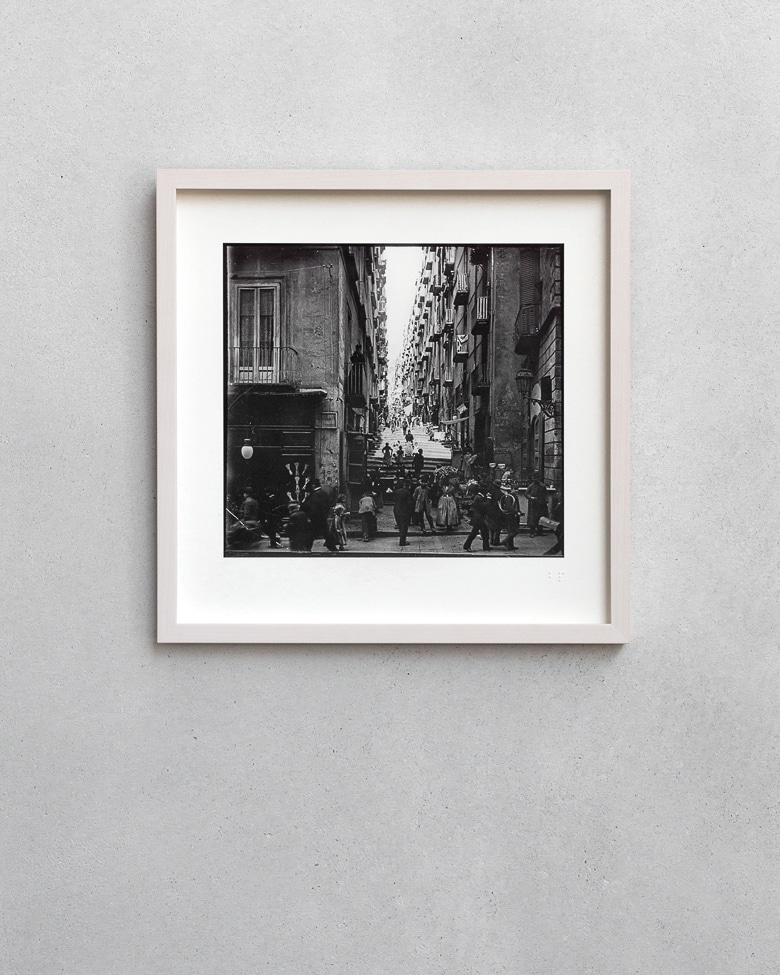
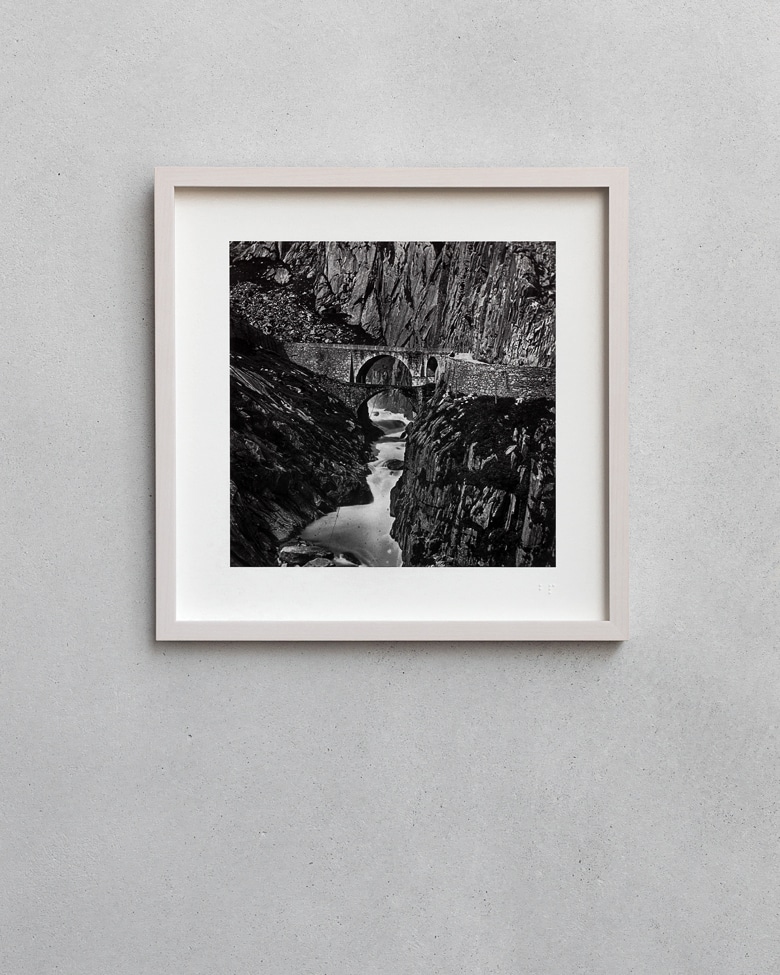
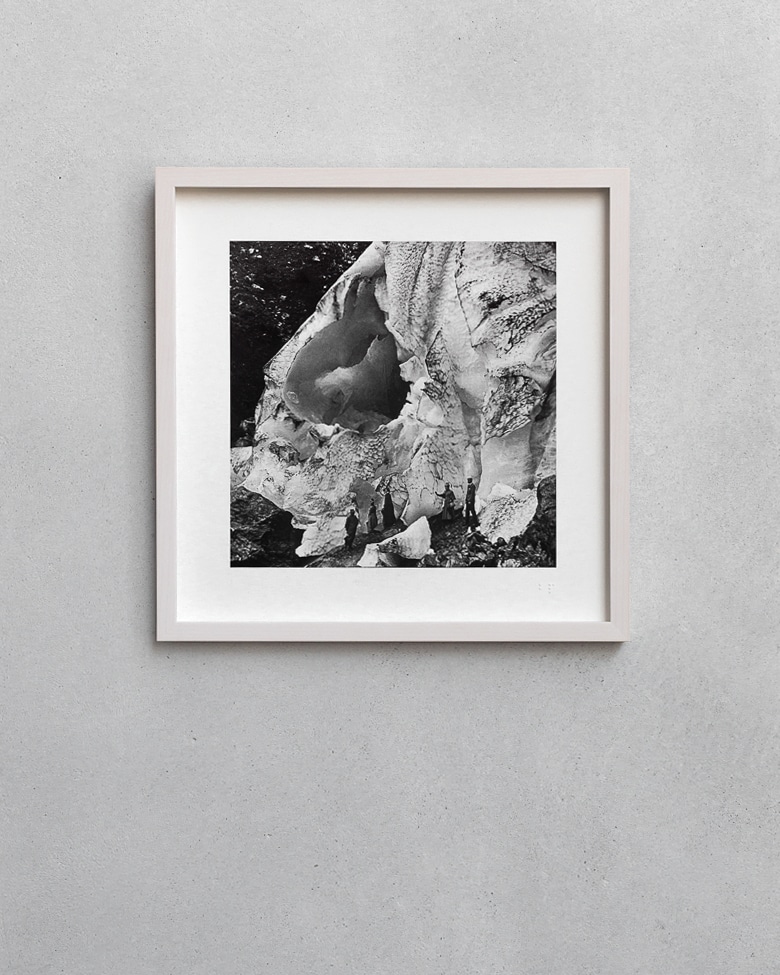
Size Paper & Print: 30 × 30 cm | 23 × 23 cm
Printing technique: Piezography® Pro
Paper: Awagami Bamboo
Bamboo & recycled Kozo, 250 gr/m2. acid-free.
Swiss handmade frame: 30 × 30 cm
Material: Wood Natural oak | profile 13/28
Distance: 5 mm, nature
Glass: Anti-reflective museum art glass
First edition of 200, Zürich
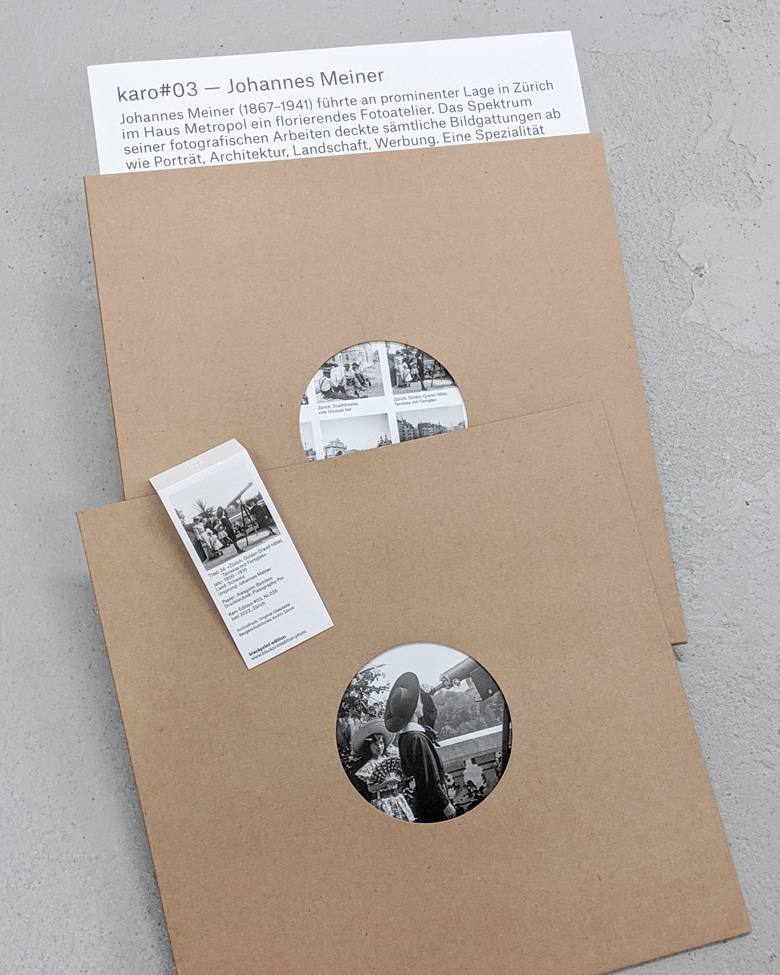
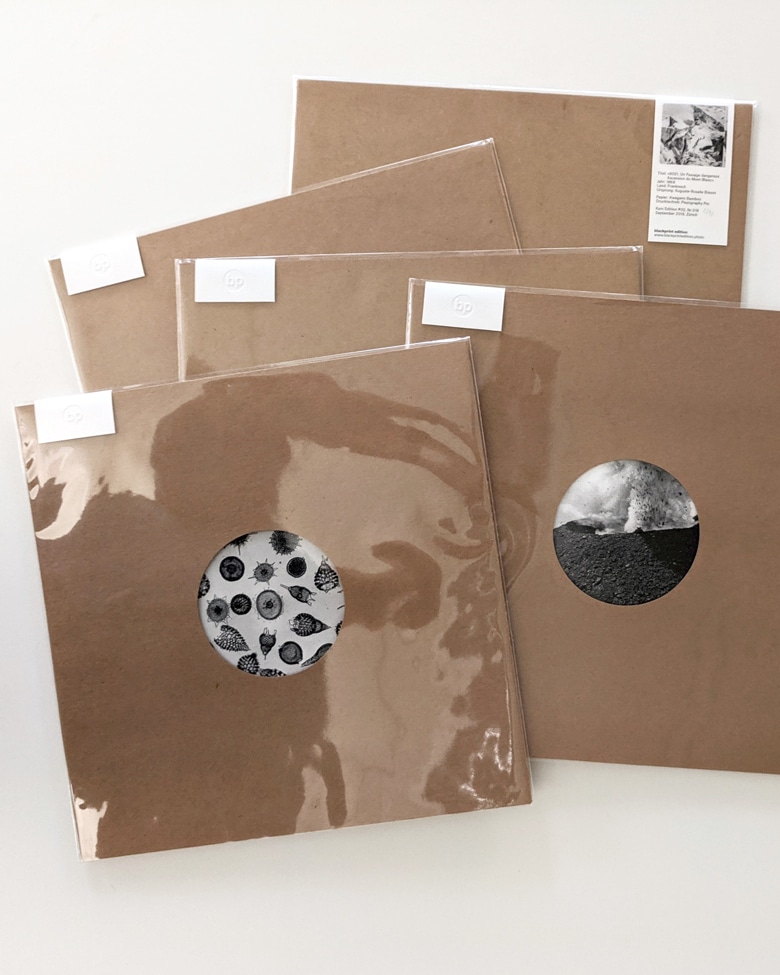
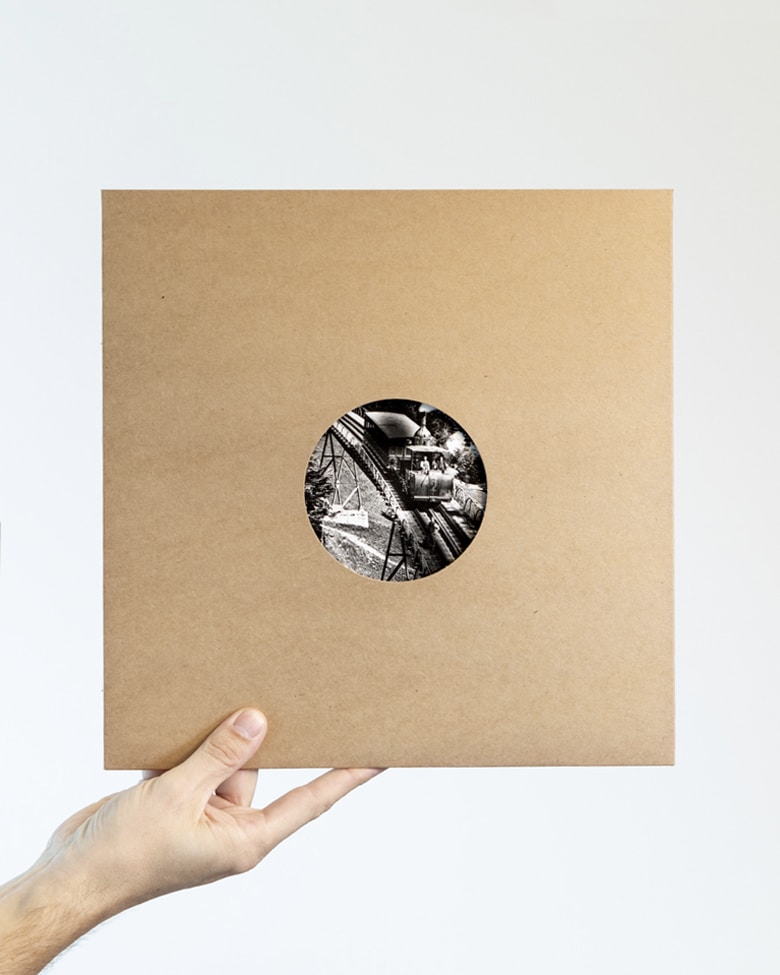
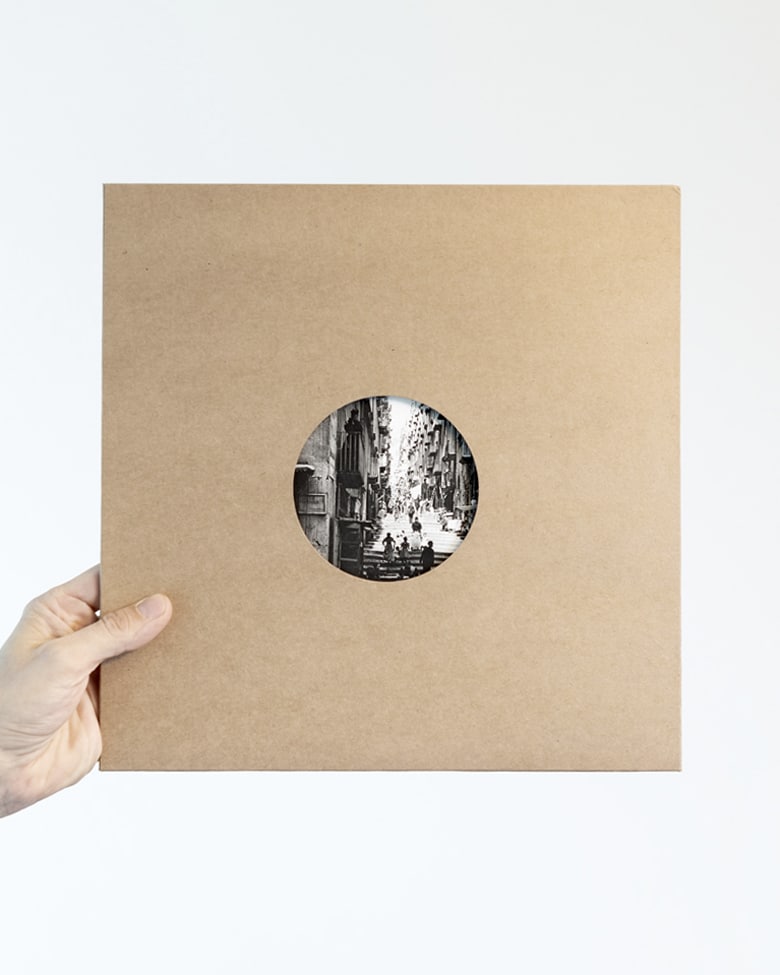
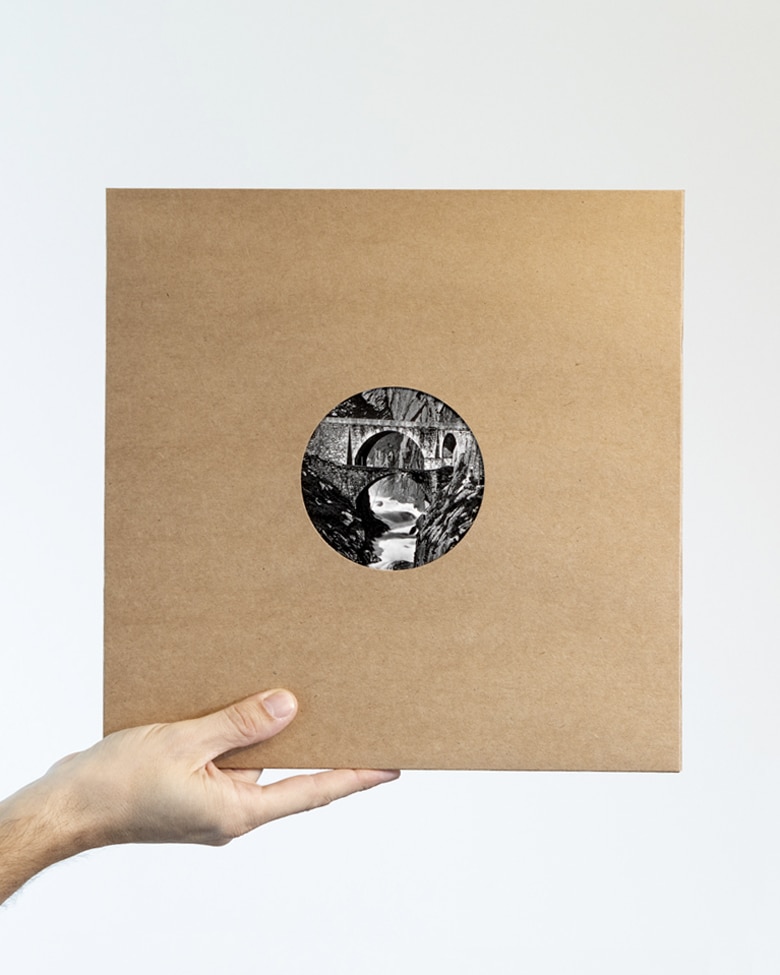
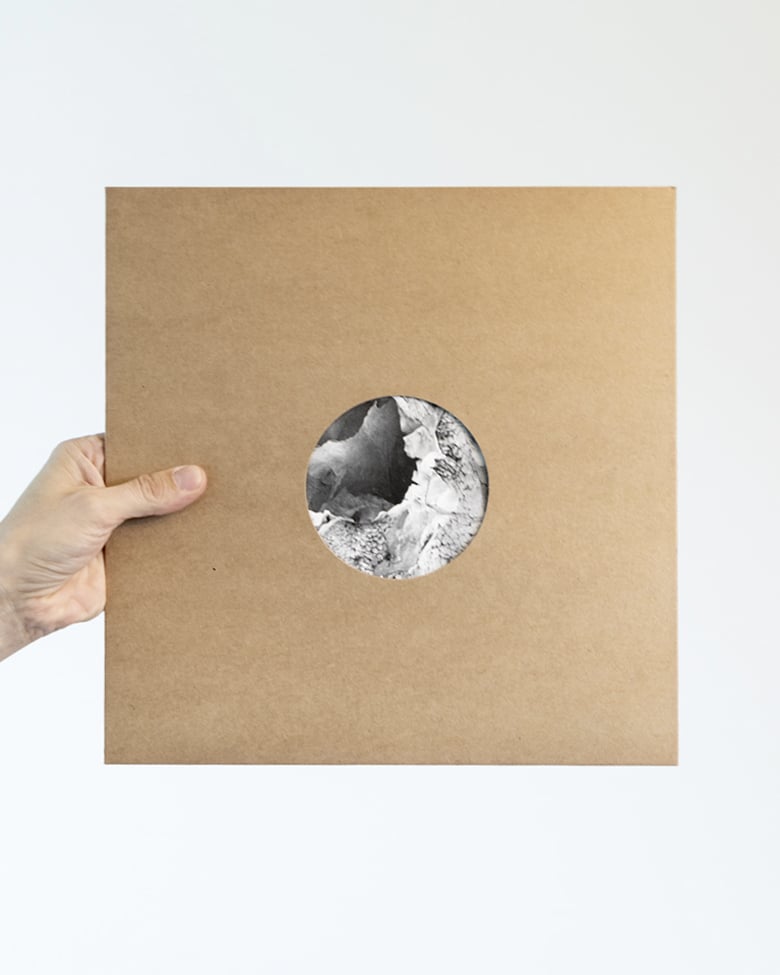
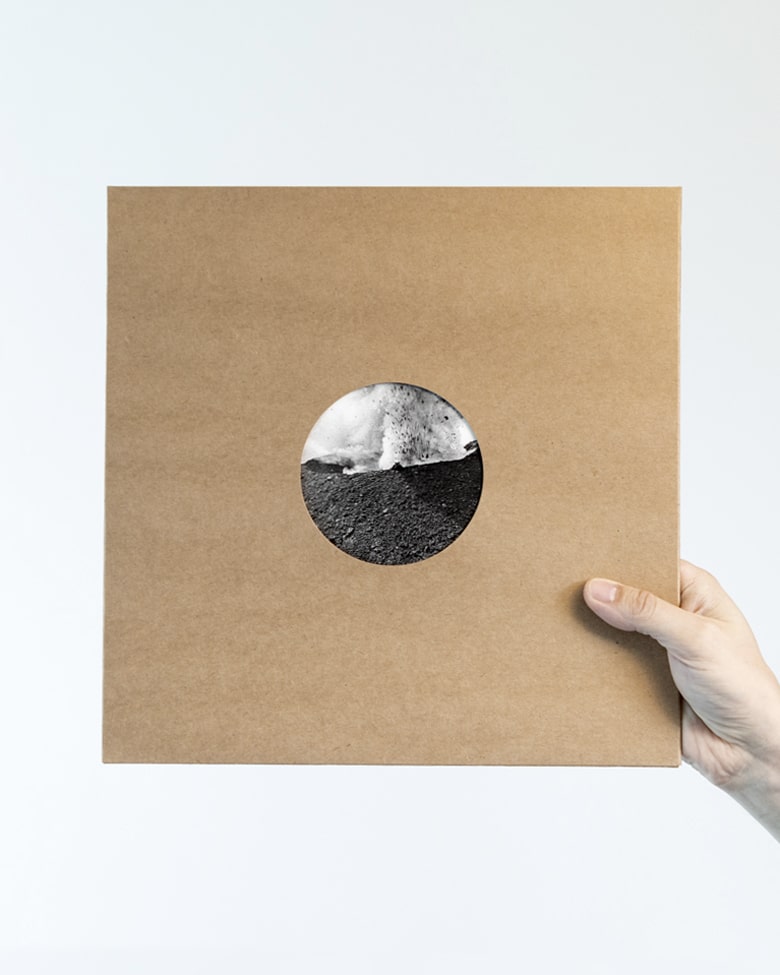
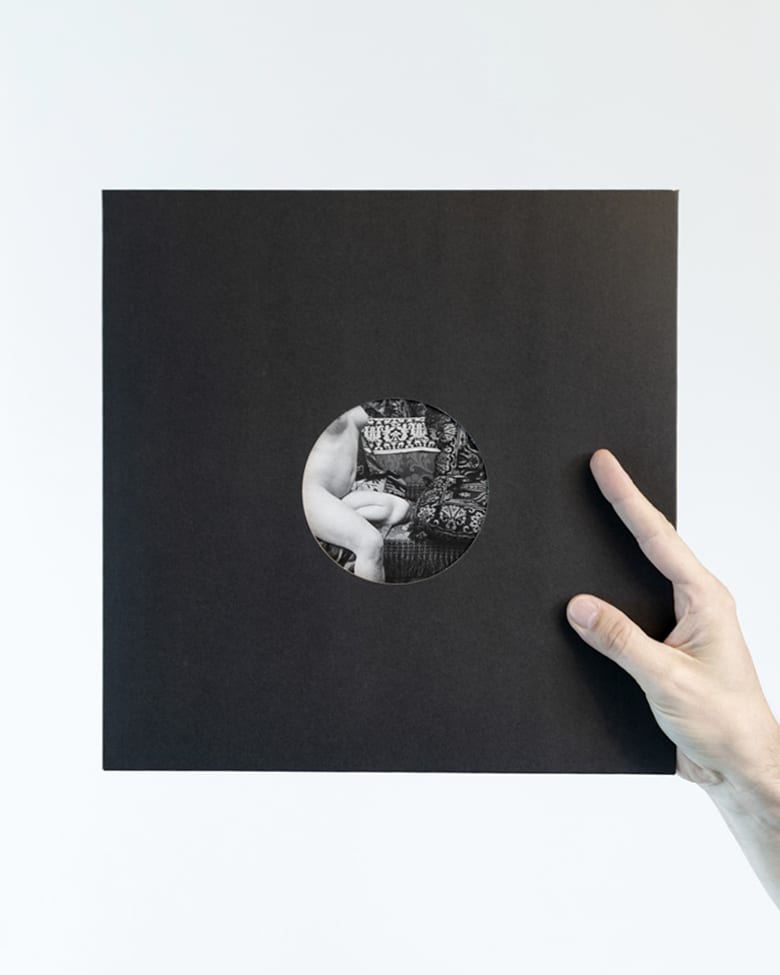
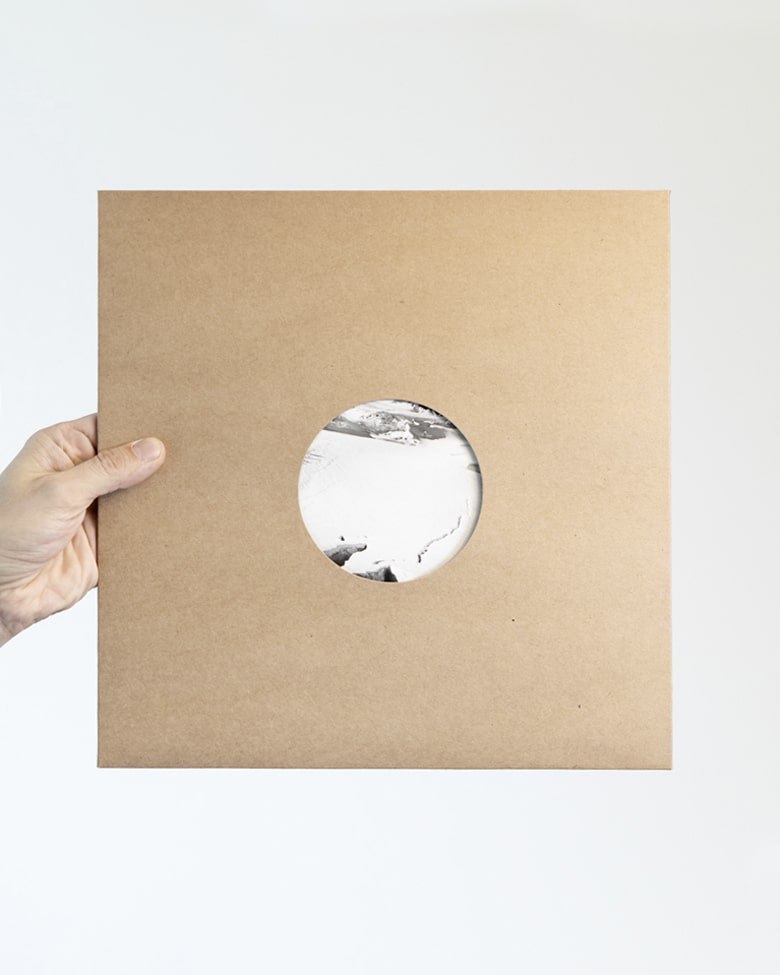
Numbered and delivered in a vinyl style packaging with a window protected by a clear cover made of recycled polymers.
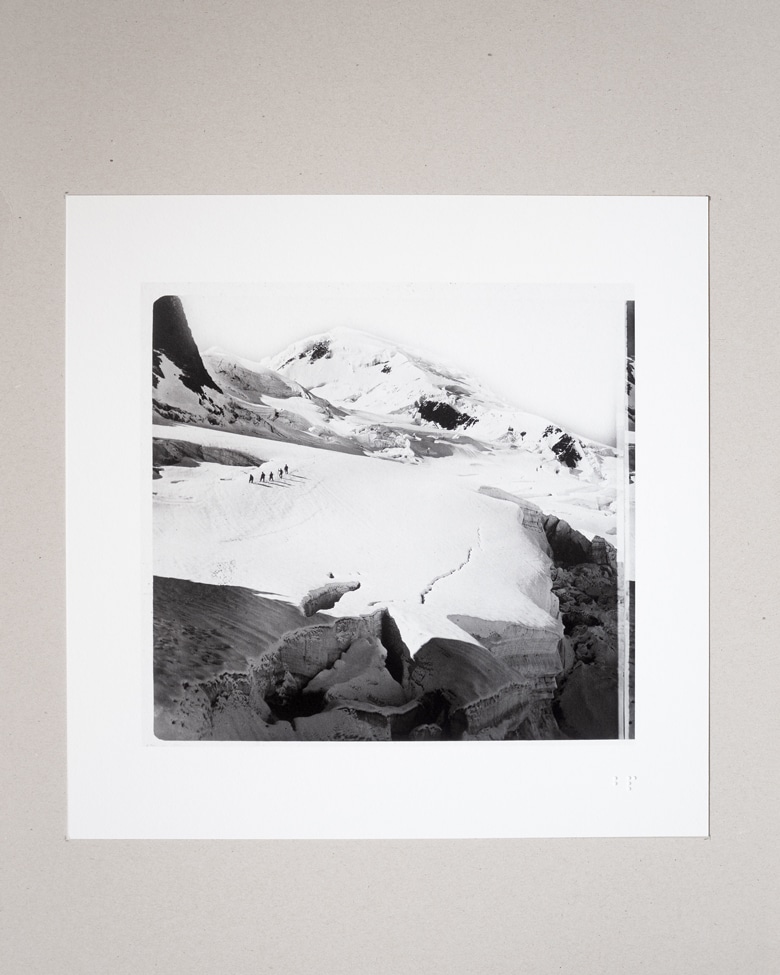
Johannes Meiner (1867-1941) führte an prominenter Lage in Zürich im Haus Metropol ein florierendes Fotoatelier. Das Spektrum seiner fotografischen Arbeiten deckte sämtliche Bildgattungen ab wie Porträt, Architektur, Landschaft, Werbung. Eine Spezialität waren Stereoskopien, also Aufnahmen, die durch einen speziellen Betrachter besehen, eine dreidimensionale Wirkung entfalten. Diese Stereoaufnahmen haben ein quadratisches Format und bieten sich ideal für die Karo-Edition von Blackprint an. Ausgewählt sind Zürcher Sujets aus dem Zeitraum 1900 bis 1910, die uns eine städtische Idylle zeigen. Gleichzeitig sind sie historische Bildquellen (etwa für die alte Tonhalle) und Zeugen einer hochstehenden Fotografiekunst aus der Belle Epoque.
Ylva Meyer, Baugeschichtliches Archiv der Stadt Zürich