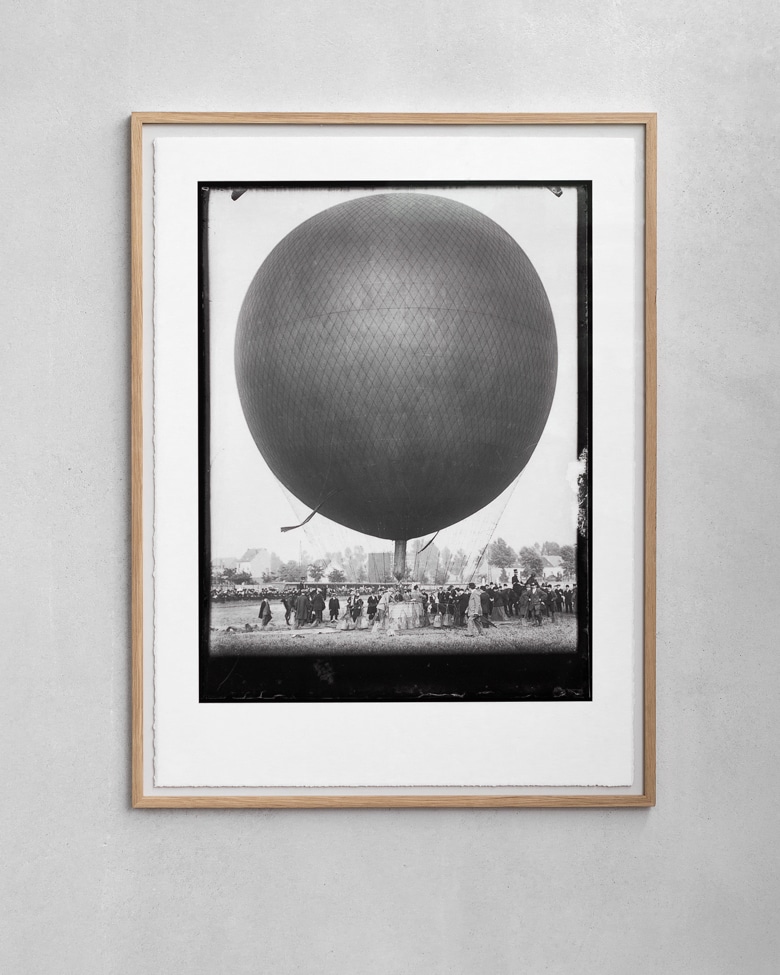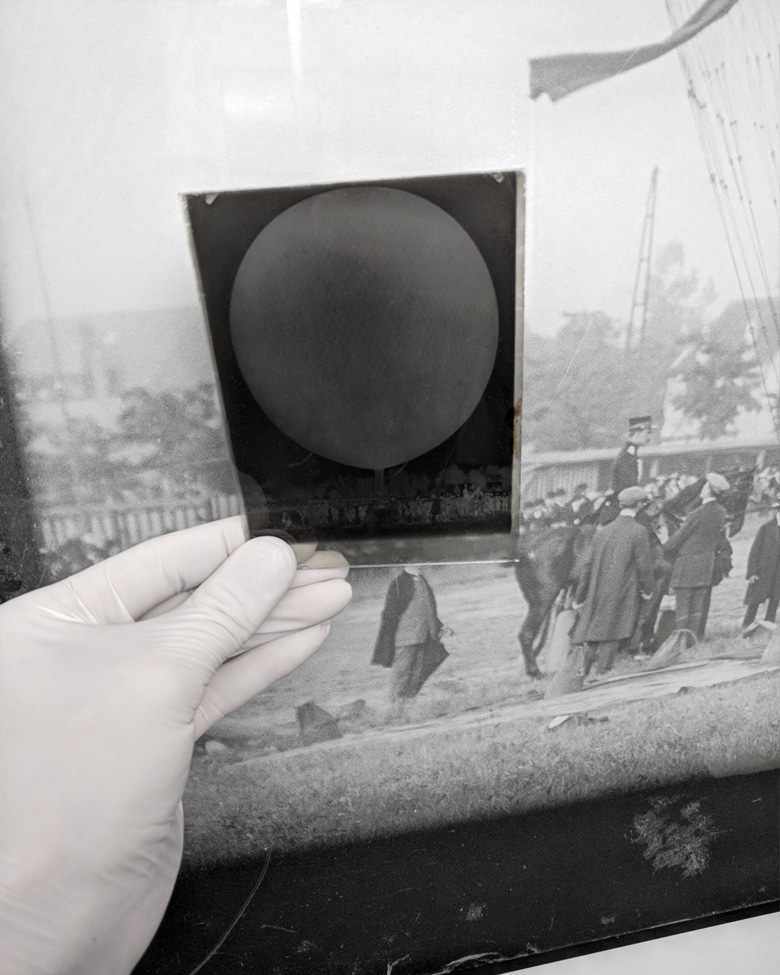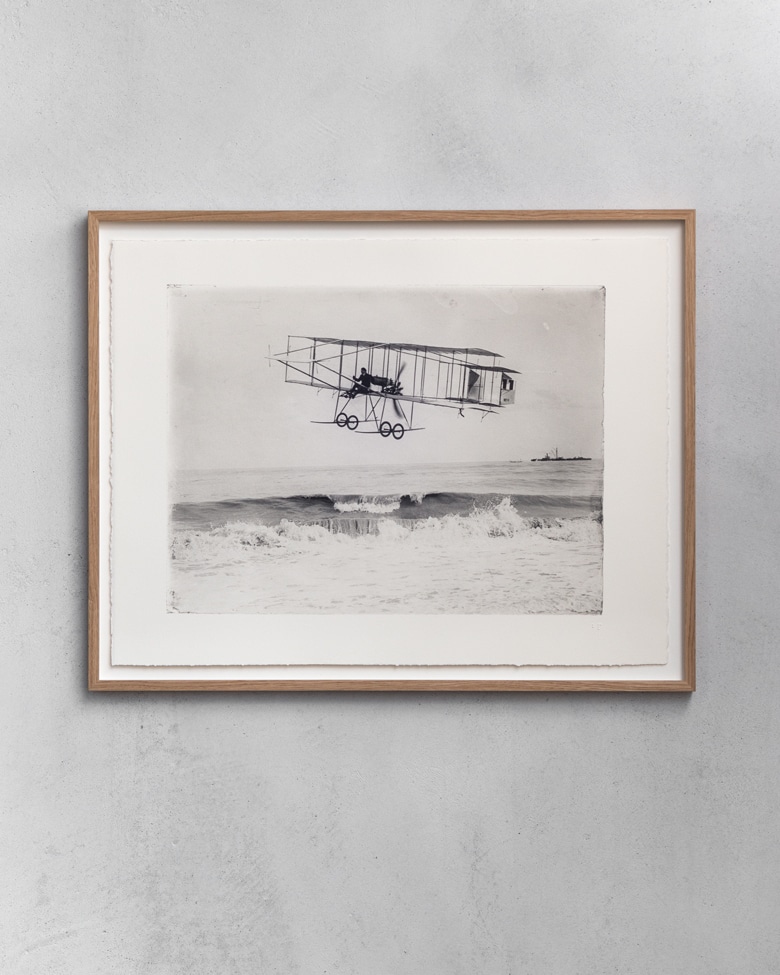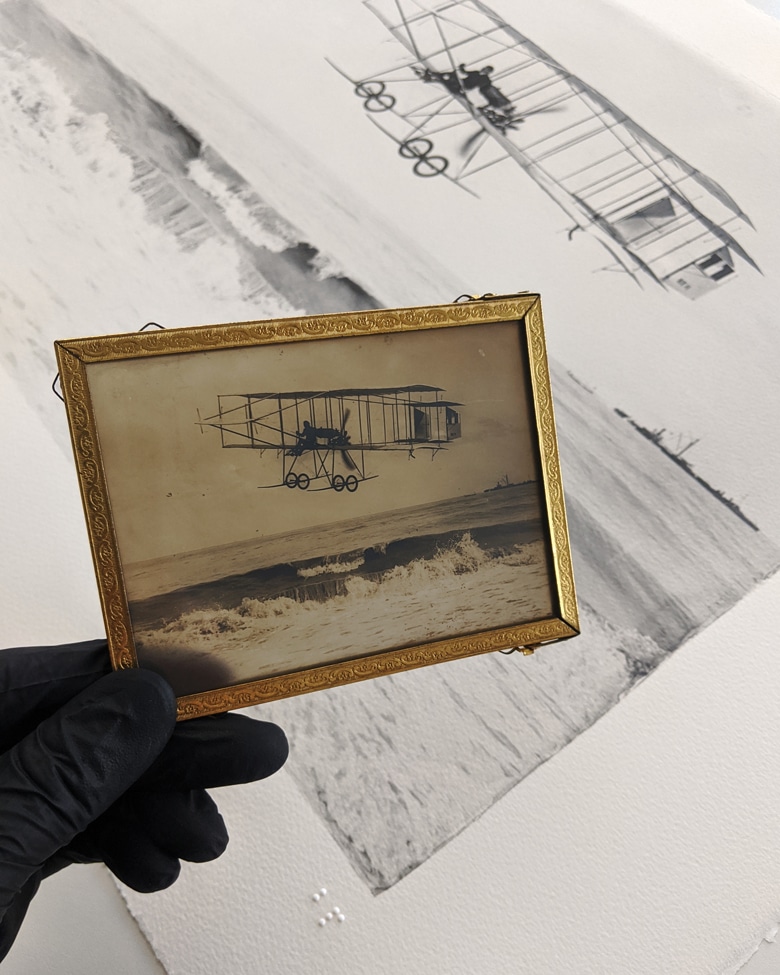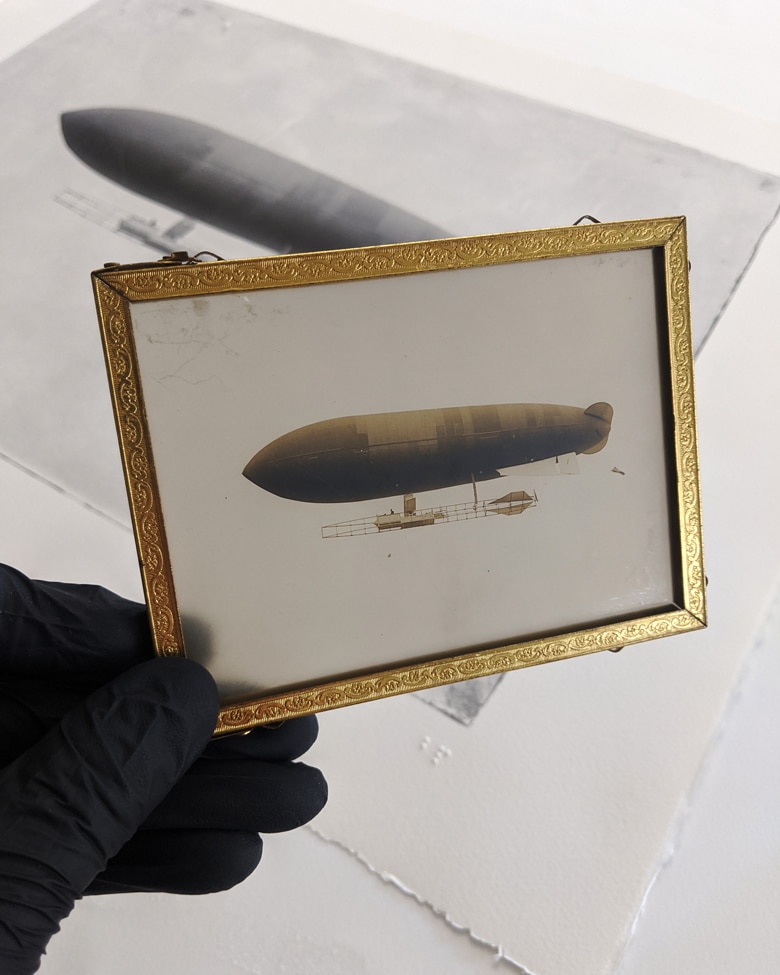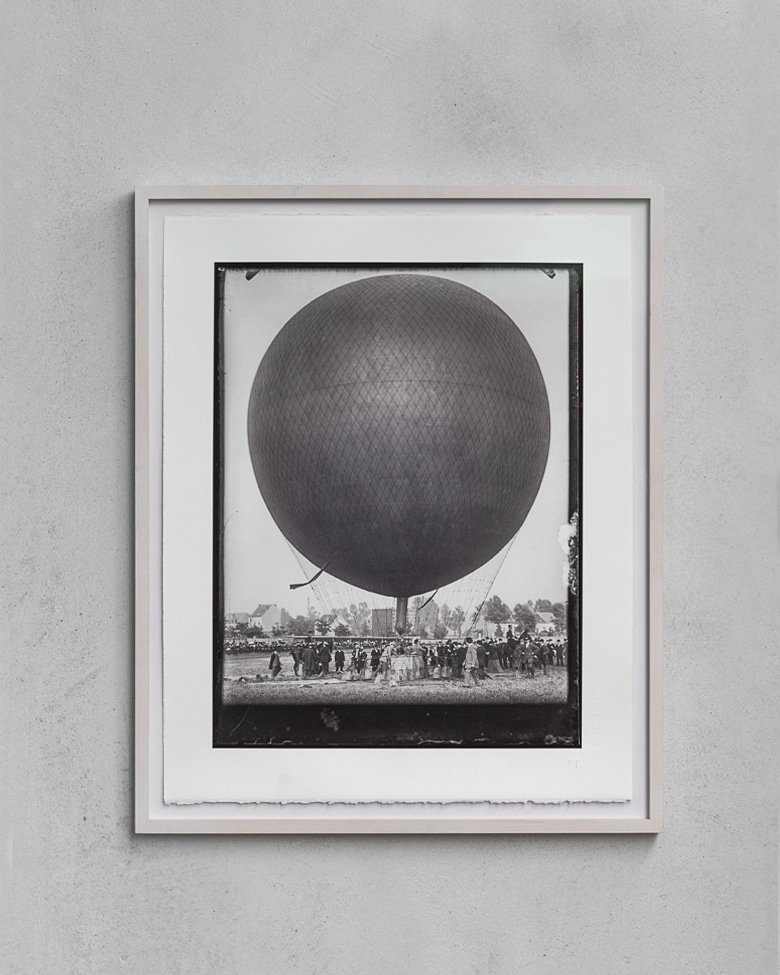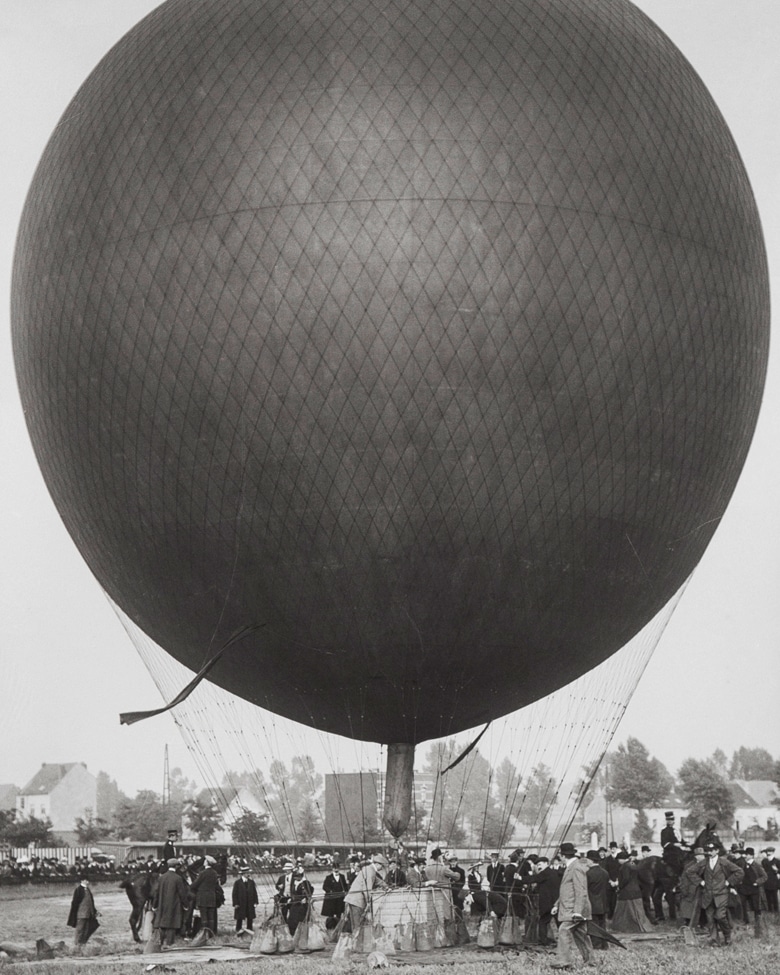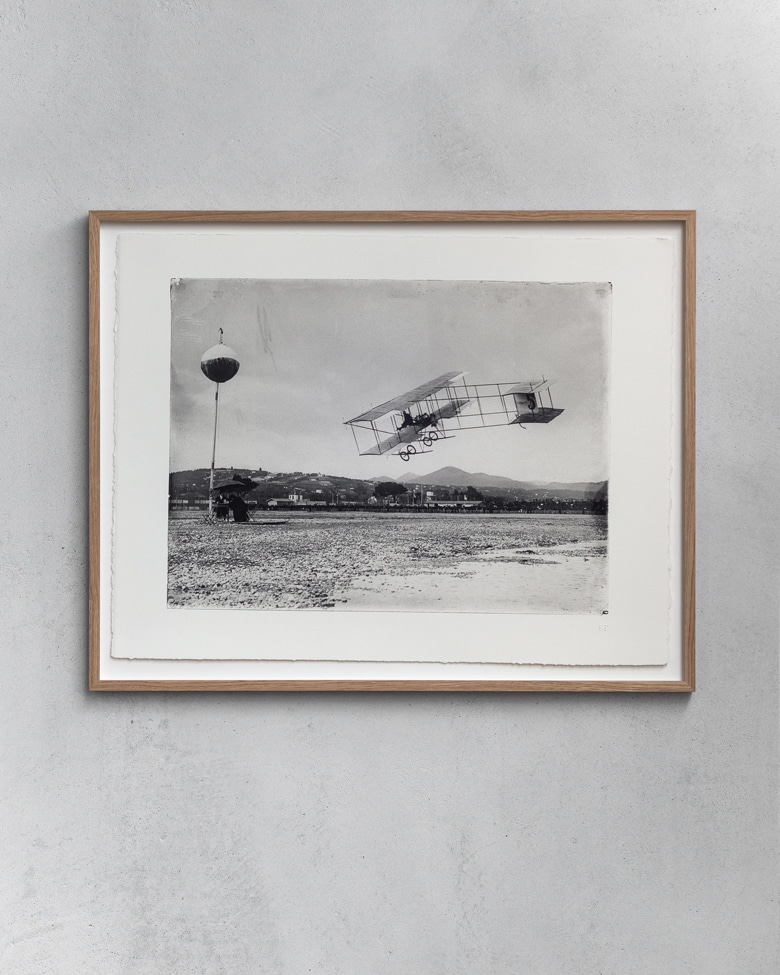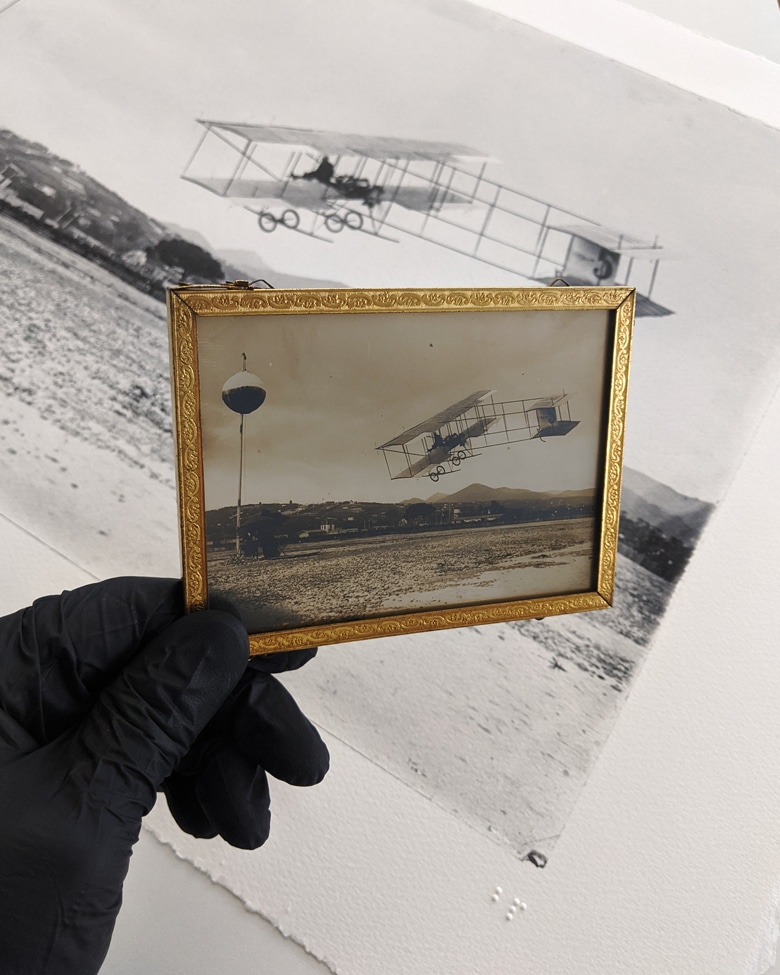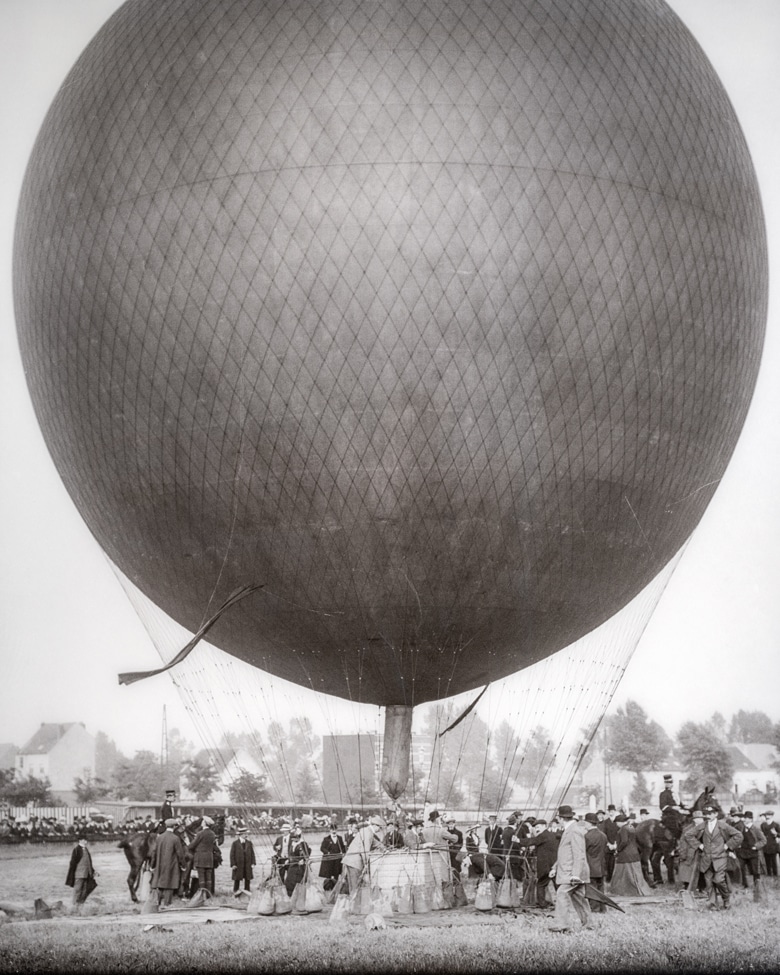
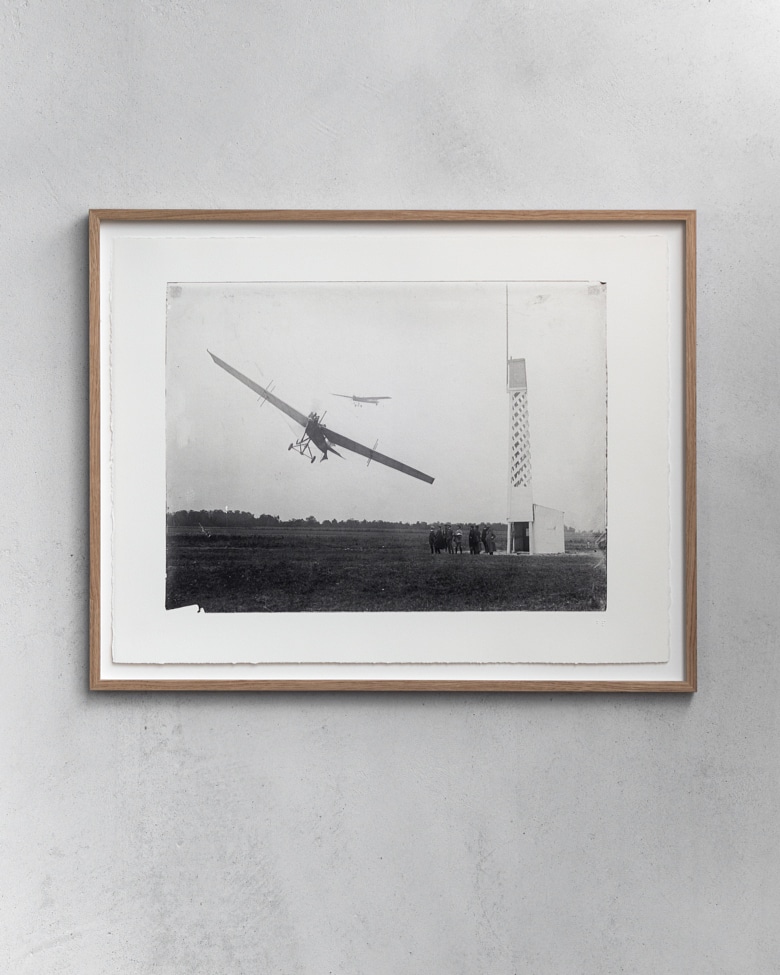
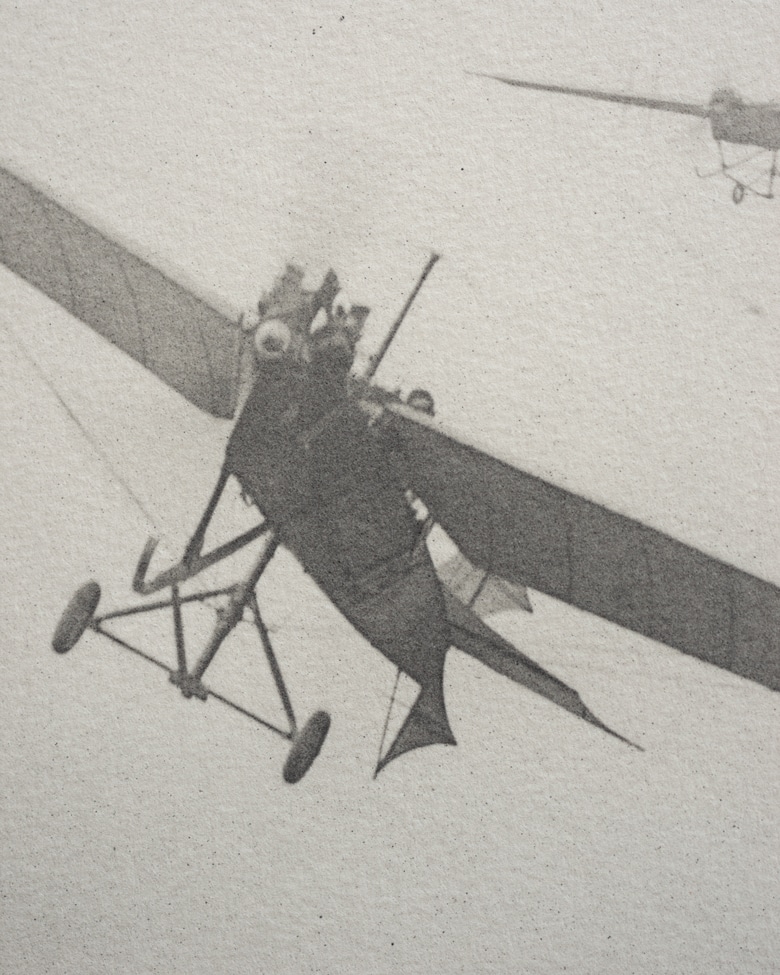
Born in Paris in 1883 into a wealthy family, Hubert Latham (1883–1912) studied at Oxford, spoke fluent English and German, and had already tried hunting, ballooning, and speedboat racing before turning to aviation in 1908. He joined Léon Levavasseur’s Antoinette company, became its chief pilot, and quickly established himself as an international celebrity — as much for his style and composure as for his flying. At Nice in April 1910, flying aircraft No. 2, he was the fastest pilot at the meeting, winning the Prix de l’Altitude at 656 metres and both over-water races, taking home nearly 60,000 francs.
The Antoinette VII he flew was among the most advanced — and most demanding — aircraft of its time. Where the Farman biplanes were stable and forgiving, the Antoinette was fast, narrow, and difficult to handle, powered by a 50 hp Antoinette V-8 engine. Its monoplane configuration and sleek fuselage gave it a speed advantage no Farman could match — when the engine ran. Mechanical failures limited Latham throughout the meeting, and his results reflected as much the fragility of the machine as the skill of the pilot.
When the Antoinette company folded at the end of 1911, Latham turned to big-game hunting in Africa. On 25 June 1912, he died in what is now southern Chad. The official account described a hunting accident with a wounded buffalo, but the circumstances were never fully established and the possibility that he was killed by his own porters was never ruled out.
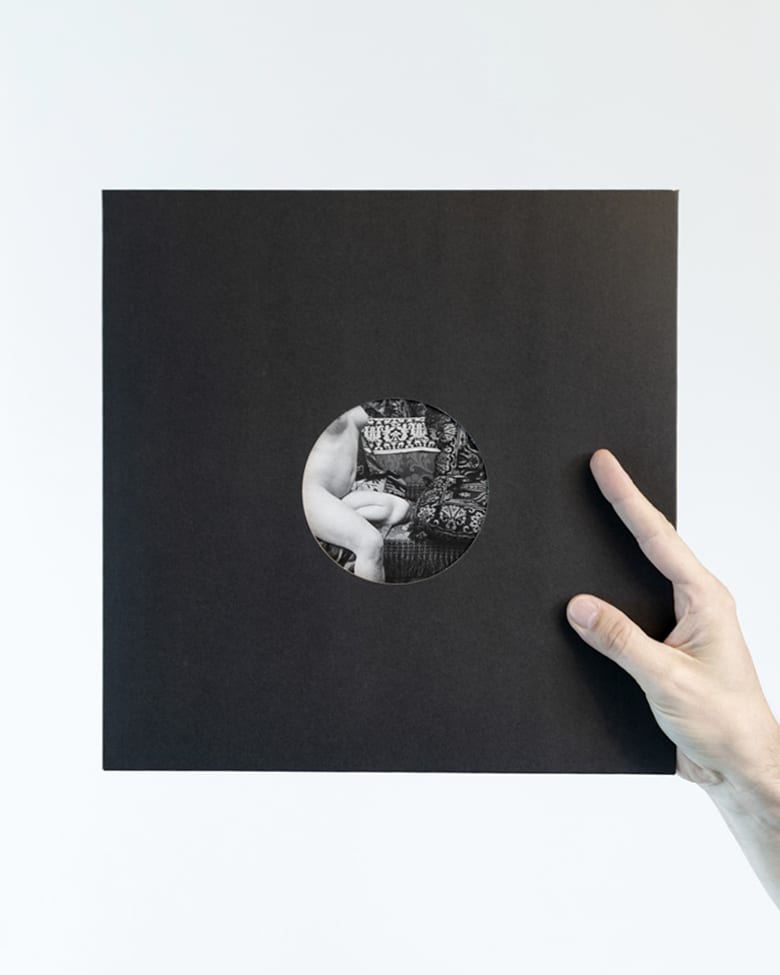
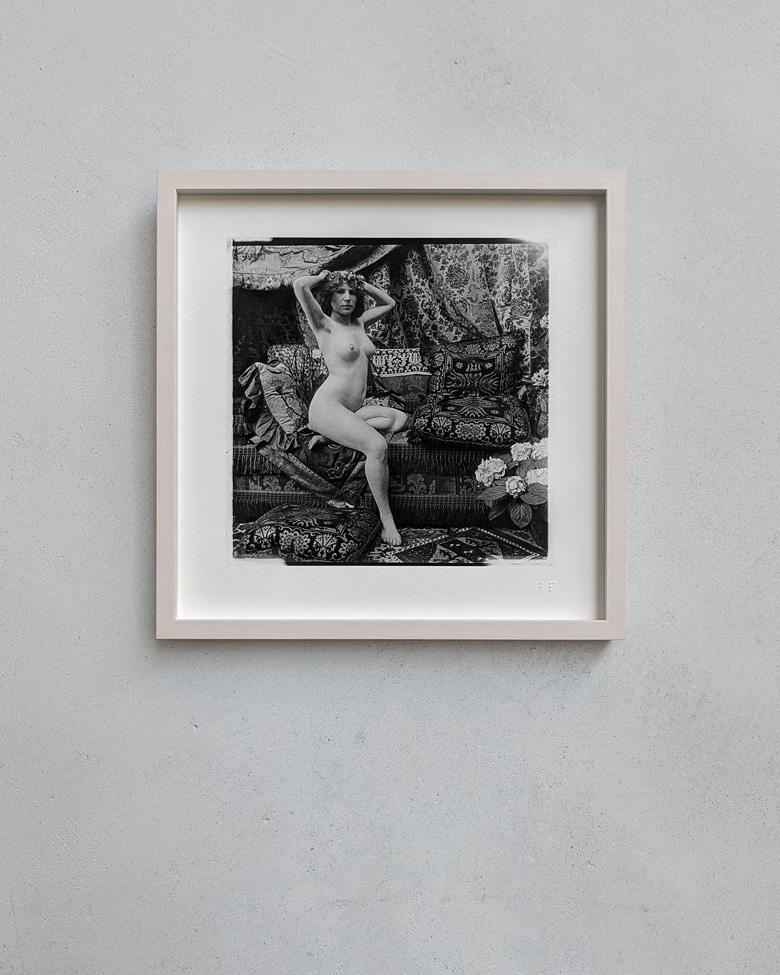
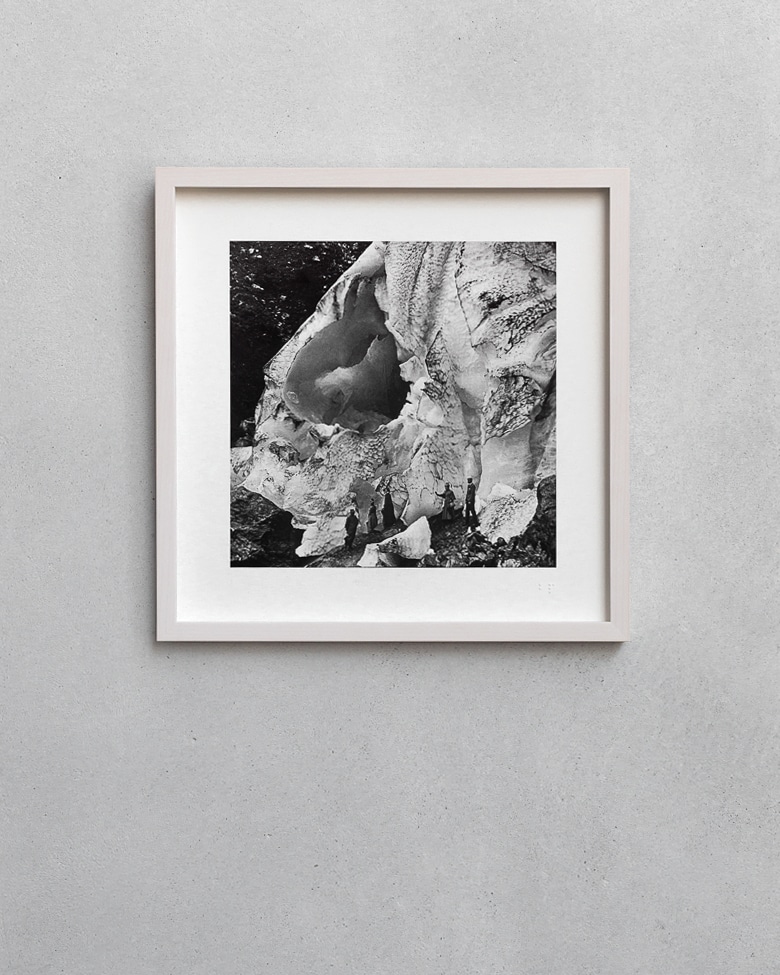
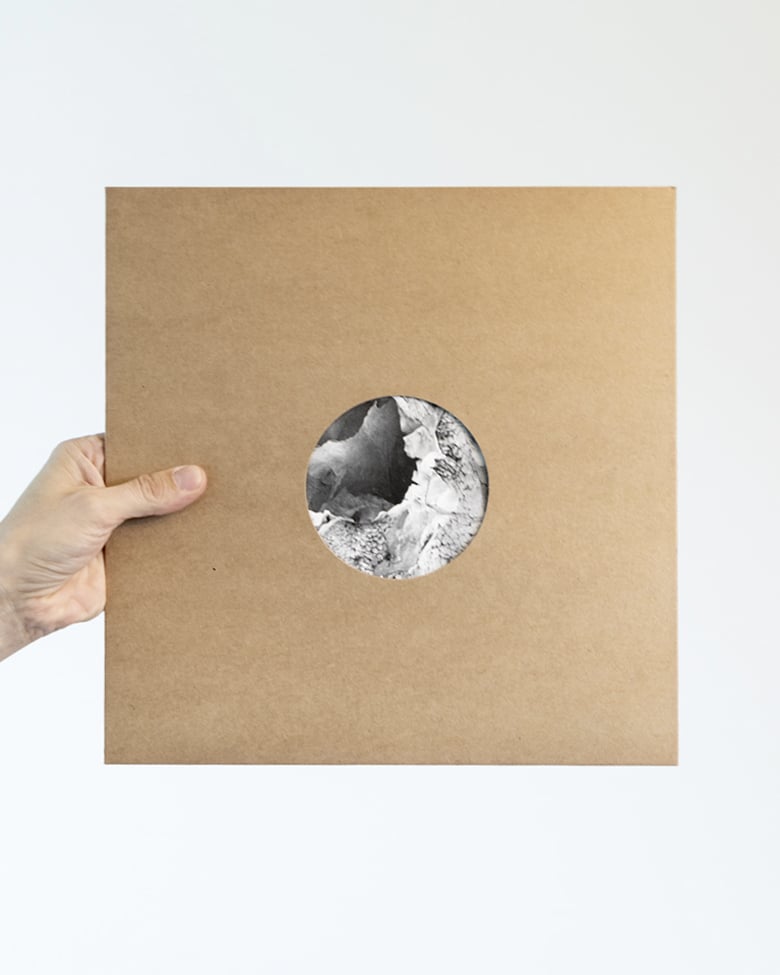
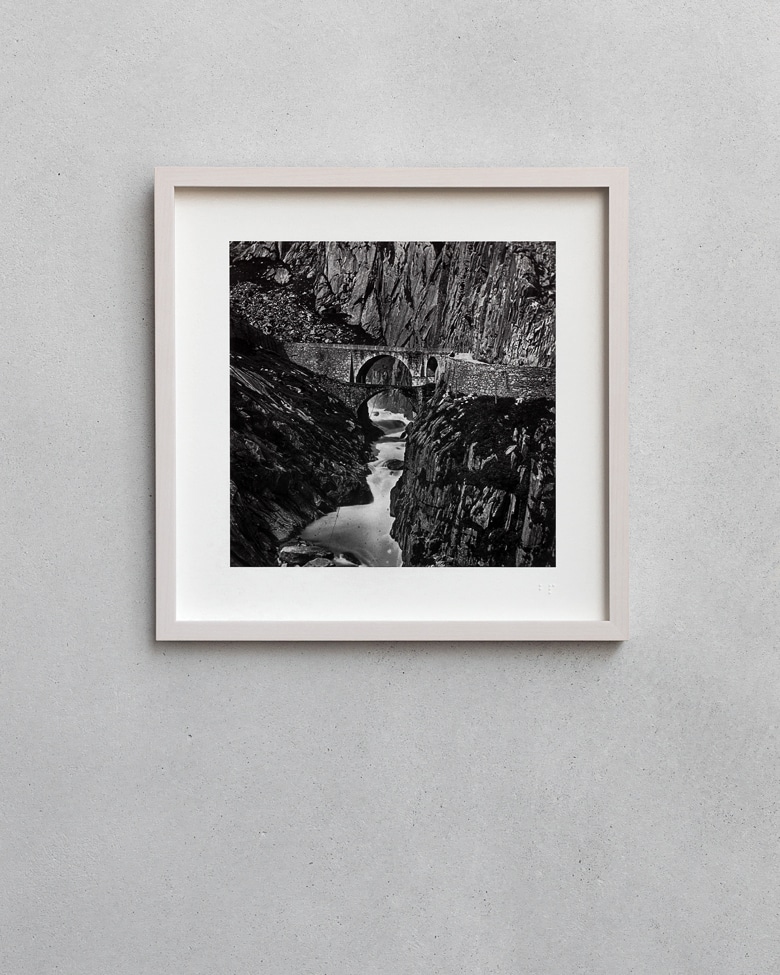
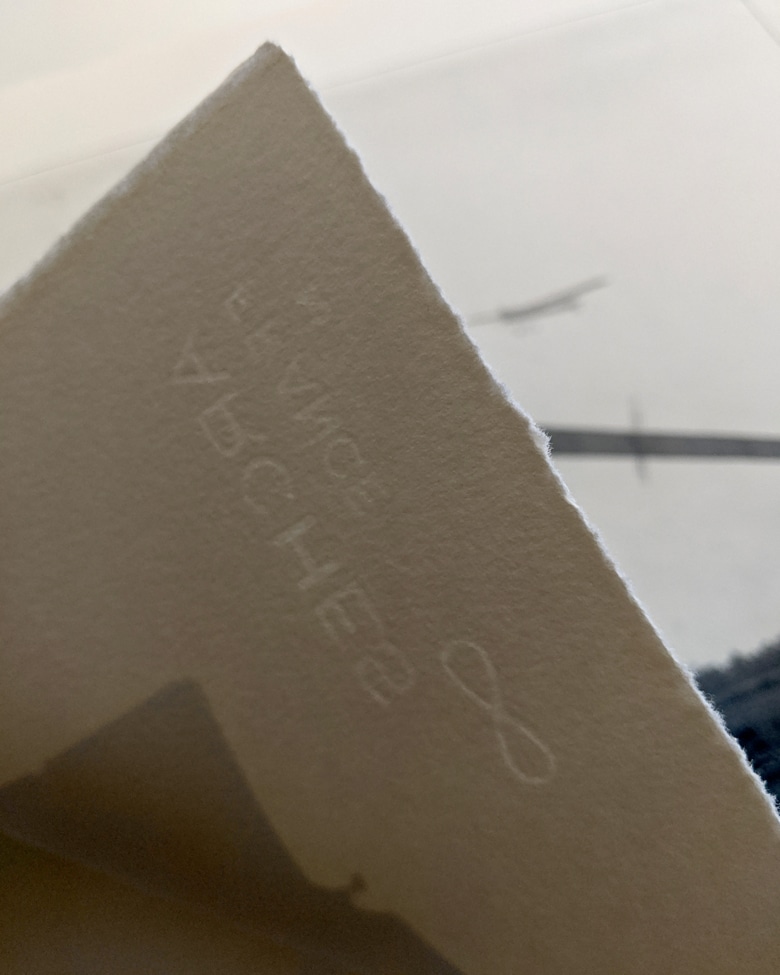
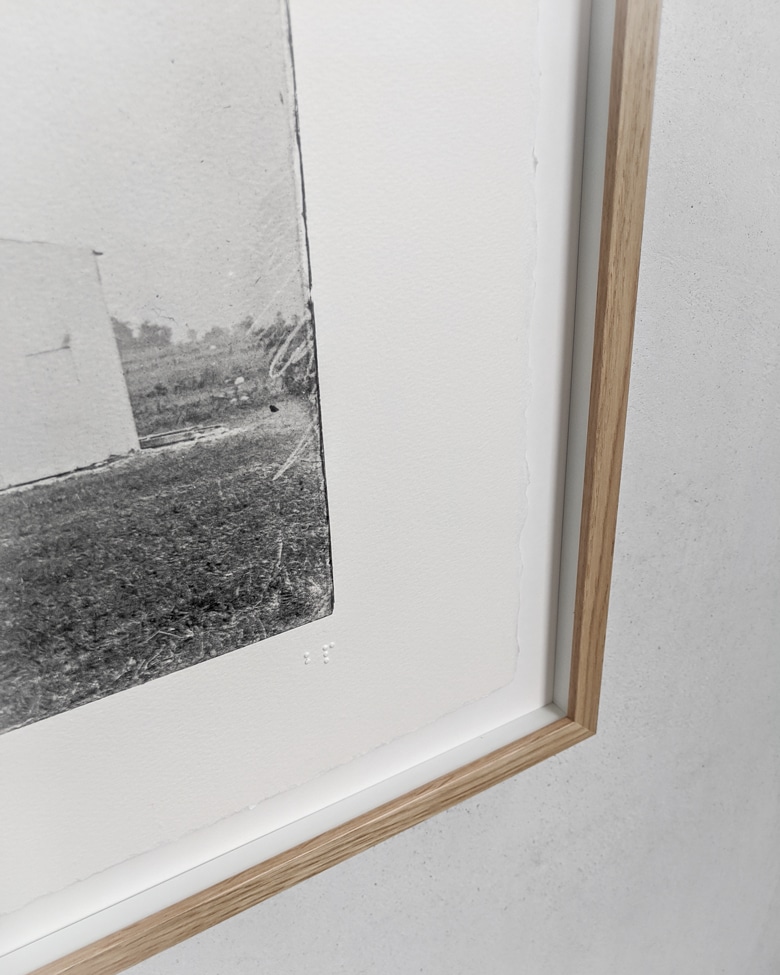
Limited to 15 numbered copies, the Piezography® Pro print is produced on Arches Velin BFK Rives Natural, a 100% cotton paper made by cylinder mould — a process that deposits fibres multidirectionally, giving the sheet its characteristic dimensional stability and its particular surface.
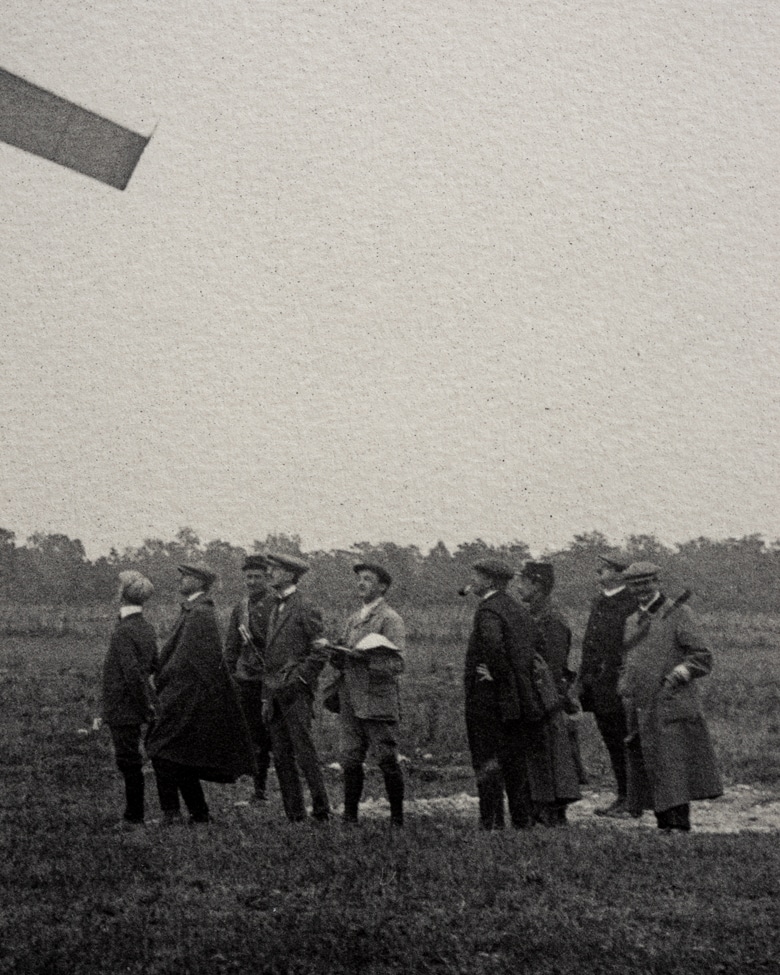
The paper unites two papermaking traditions: the Moulin d’Arches, founded in the Vosges in 1492, and the Rives mills in Isère, active since 1573, whose merger gave rise to the BFK name in 1820. It carries the ∞ watermark certifying its archival permanence: pH-neutral, acid-free, with an alkaline reserve. Its natural off-white tone and fine texture hold the full tonal range of the Piezography® Pro carbon pigment system.
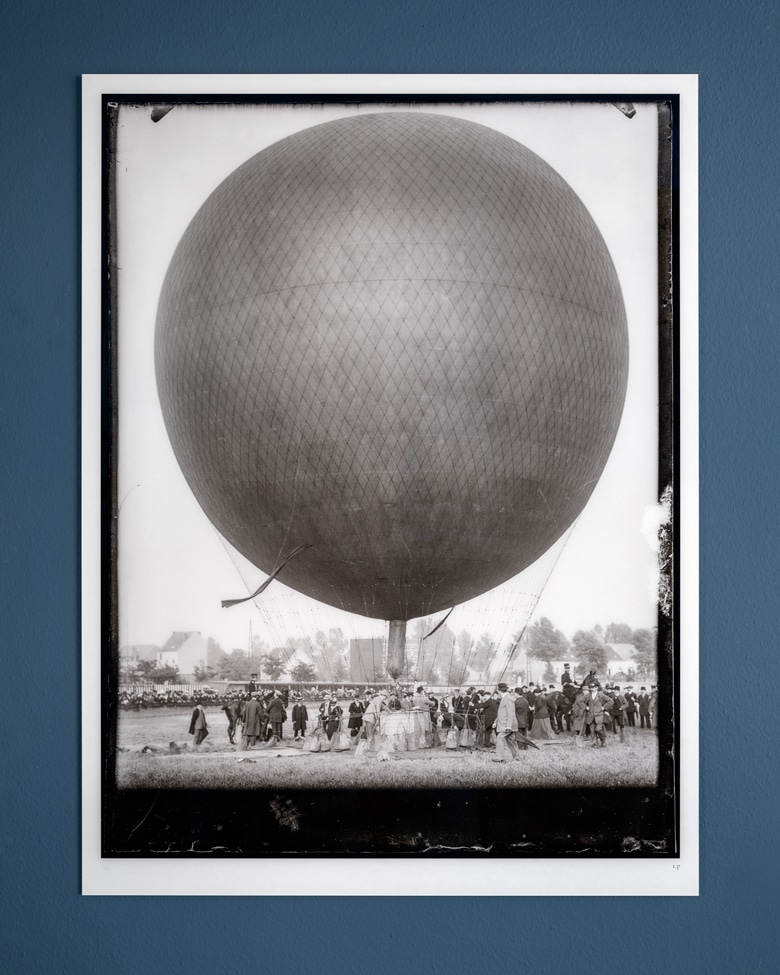
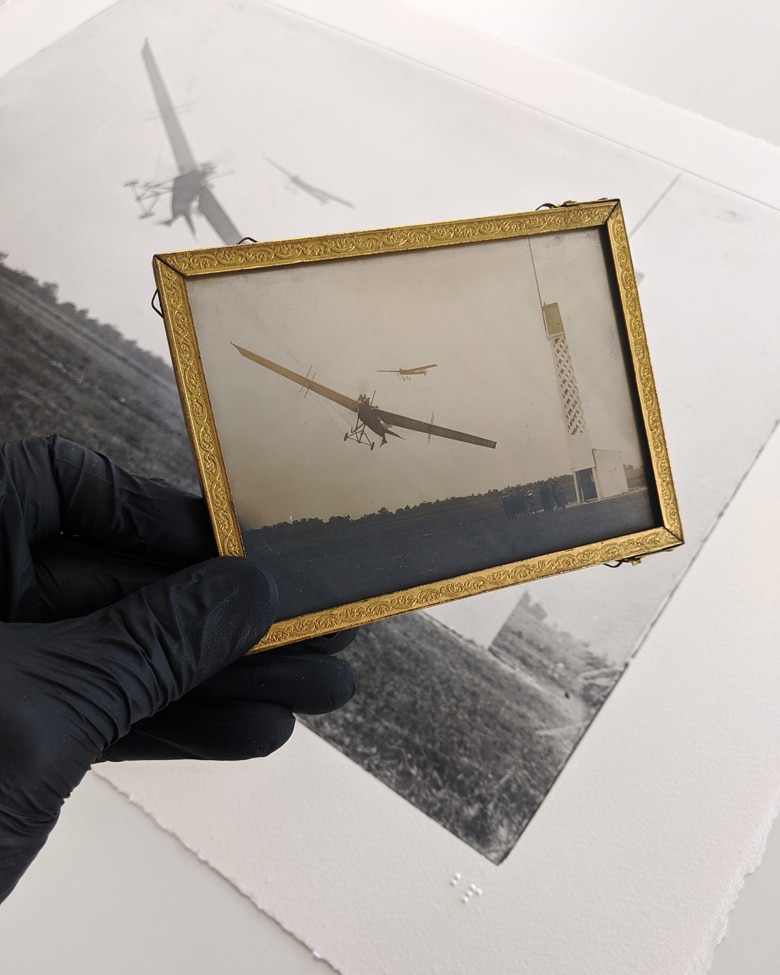
The plate
Historical research on this plate is ongoing. Findings will be updated as they emerge.