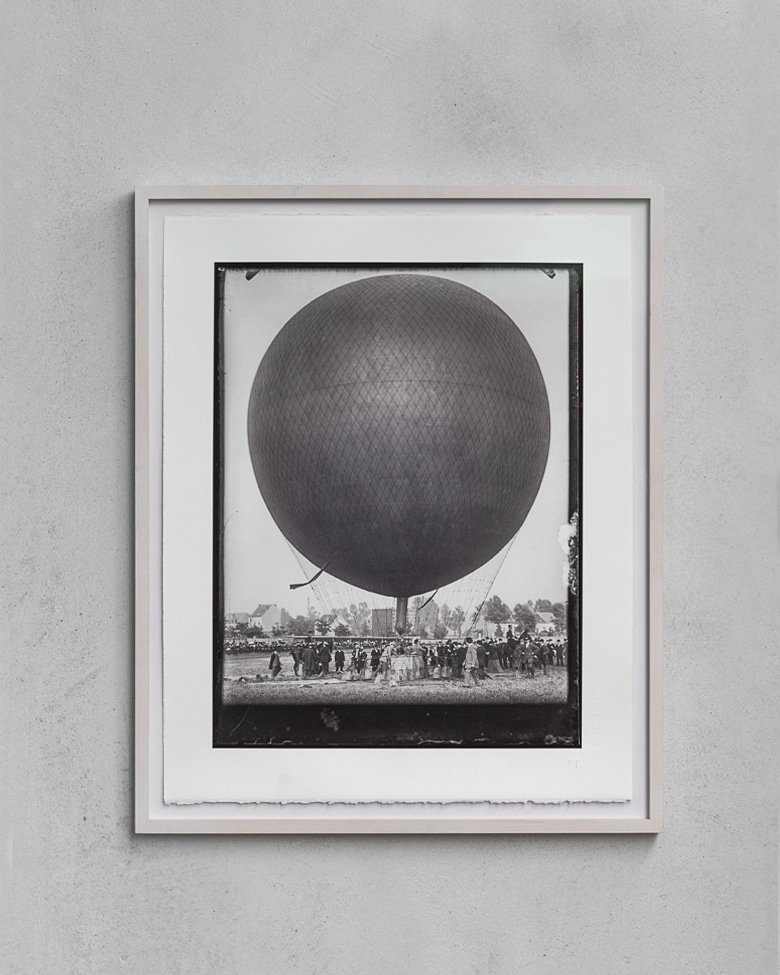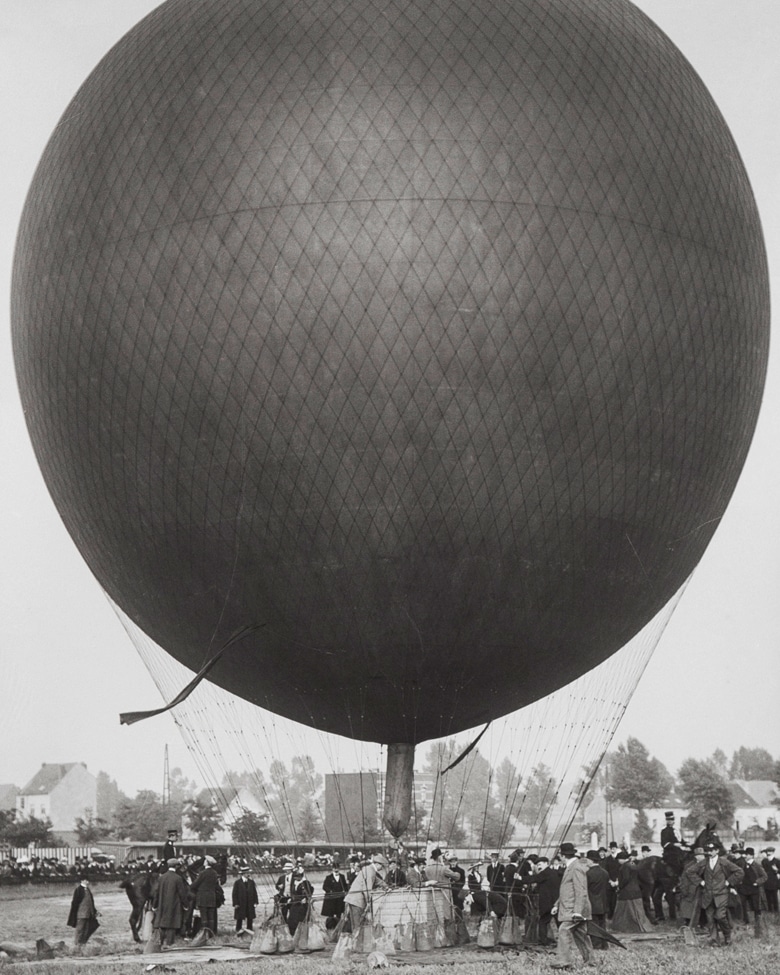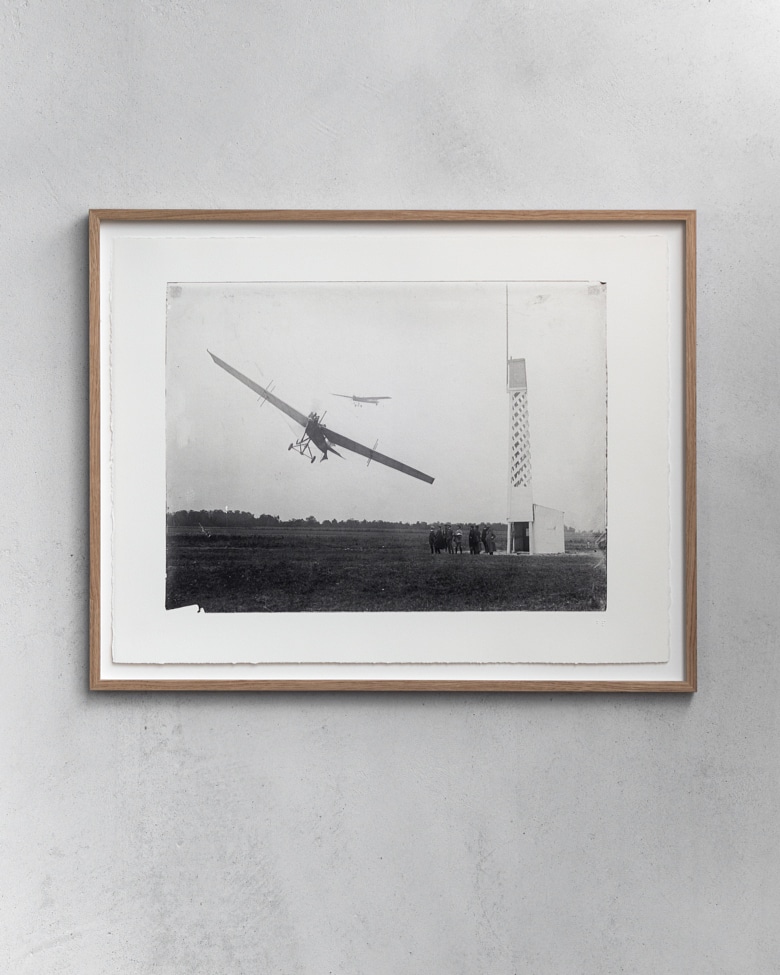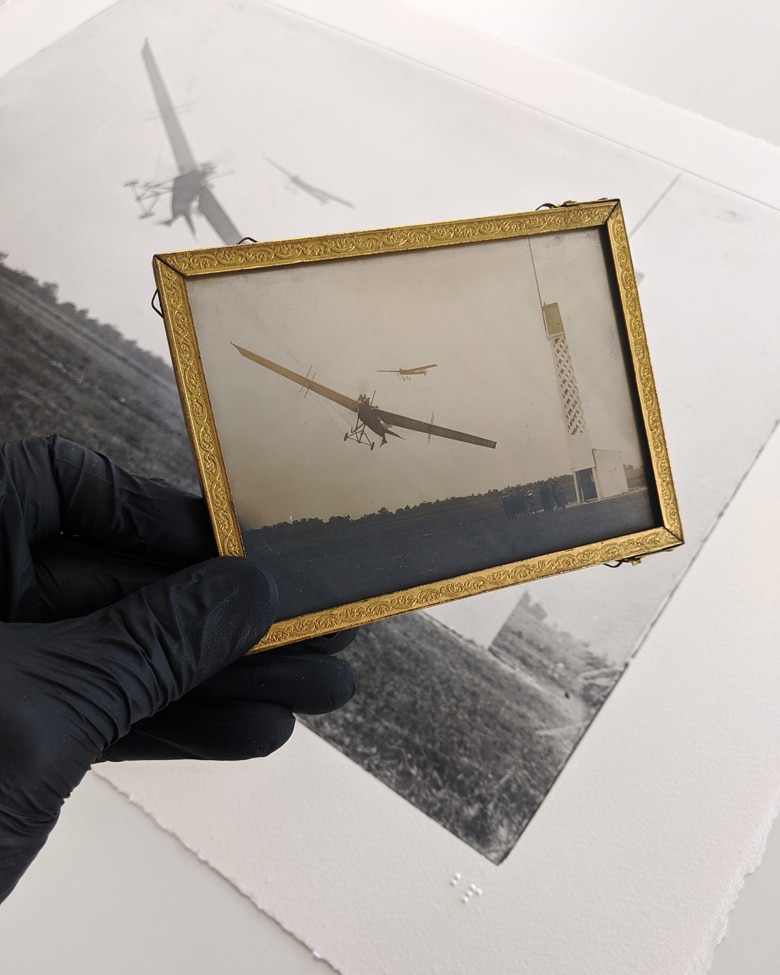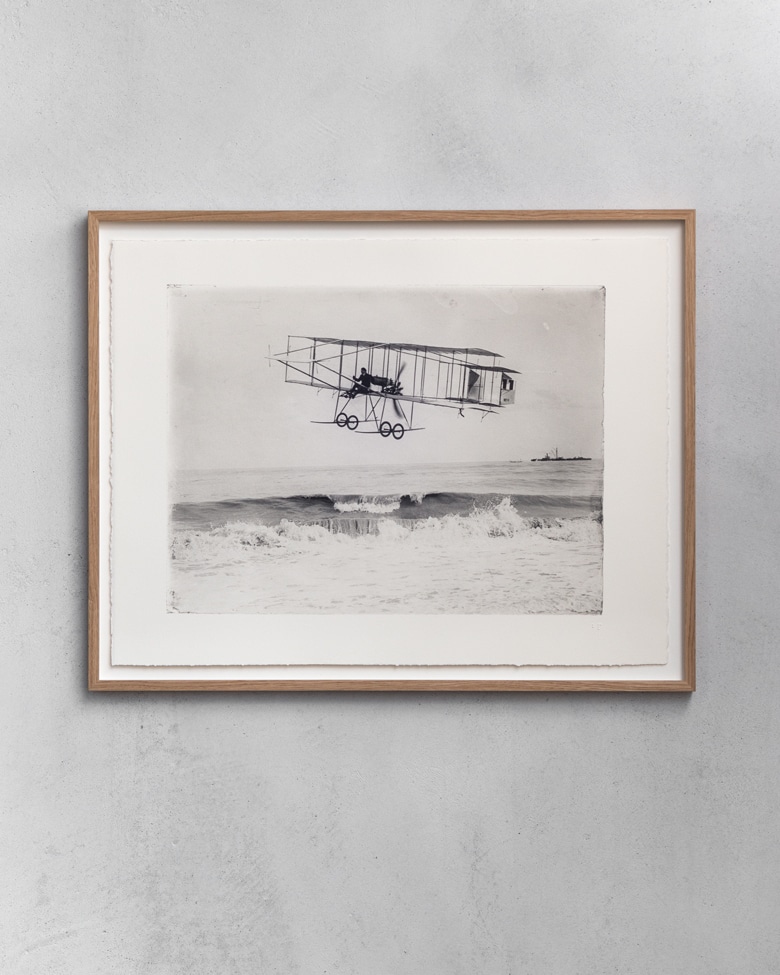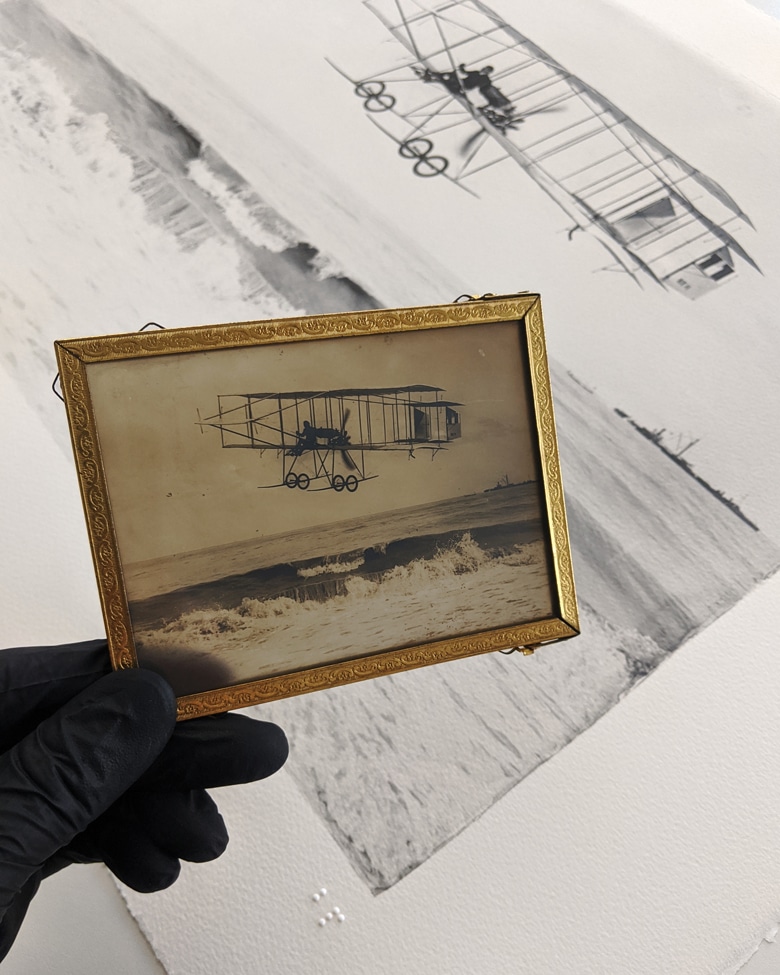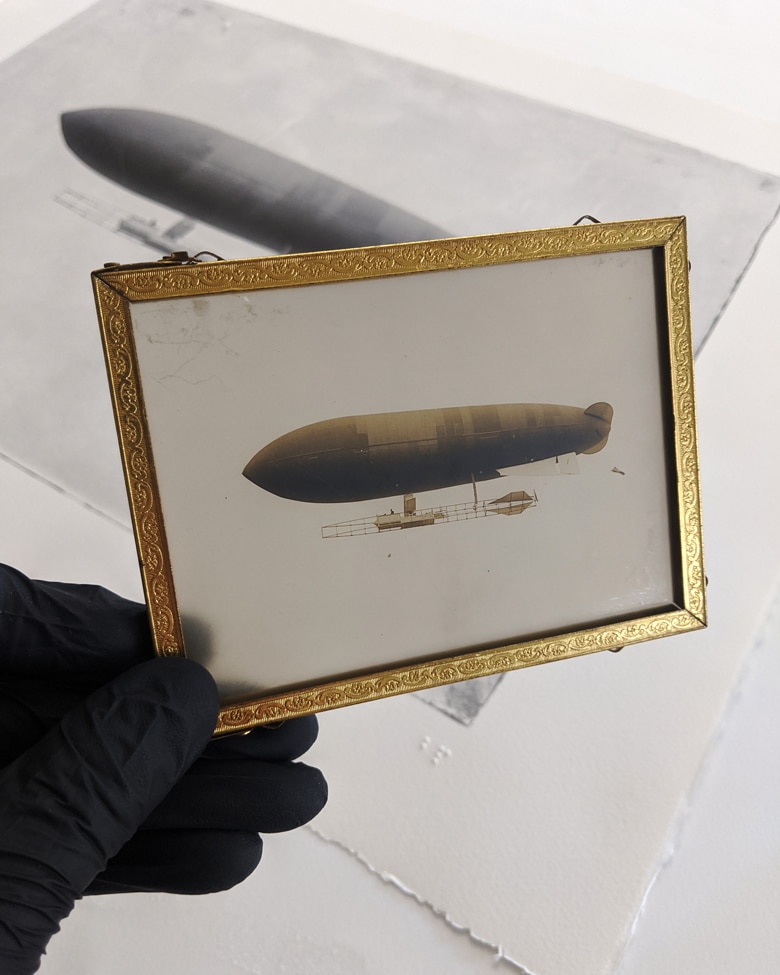
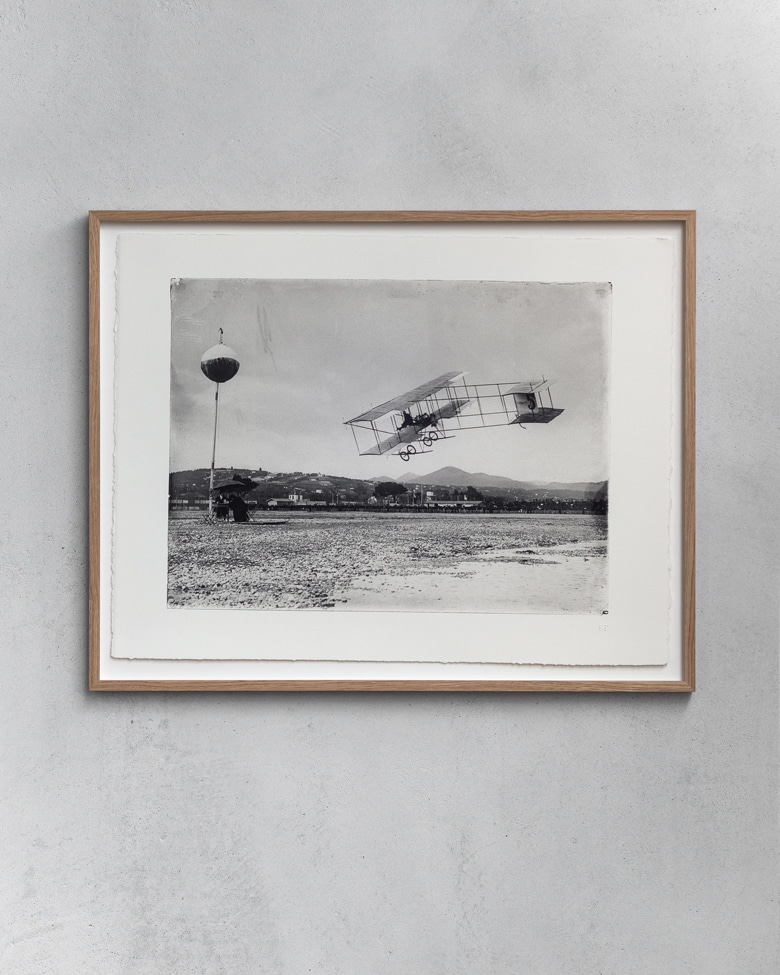
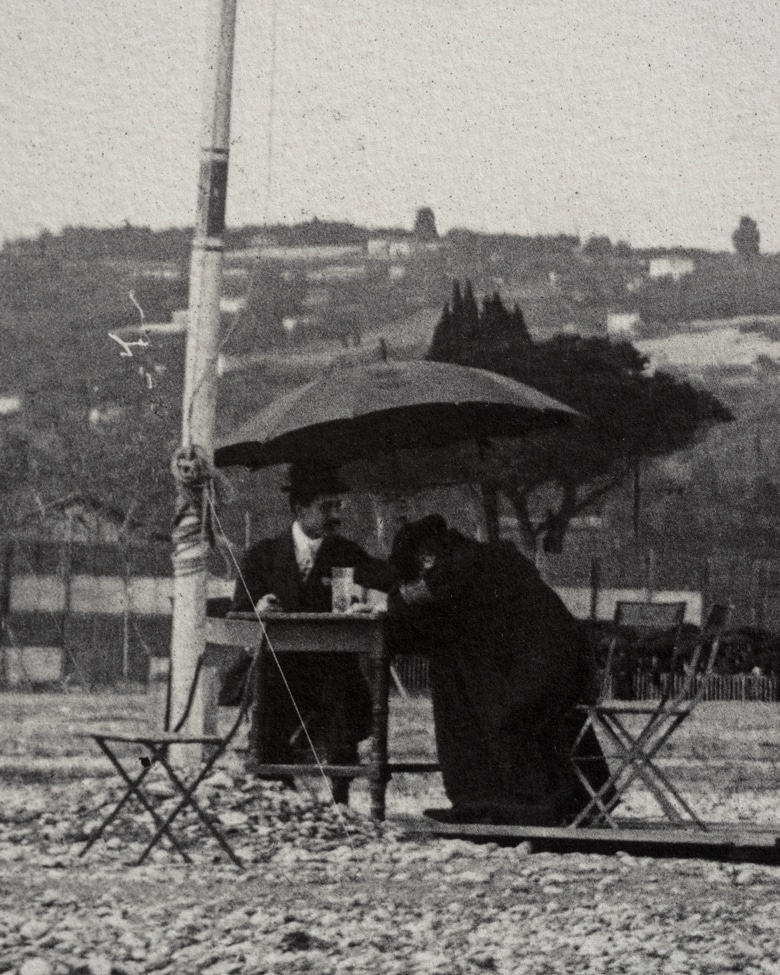
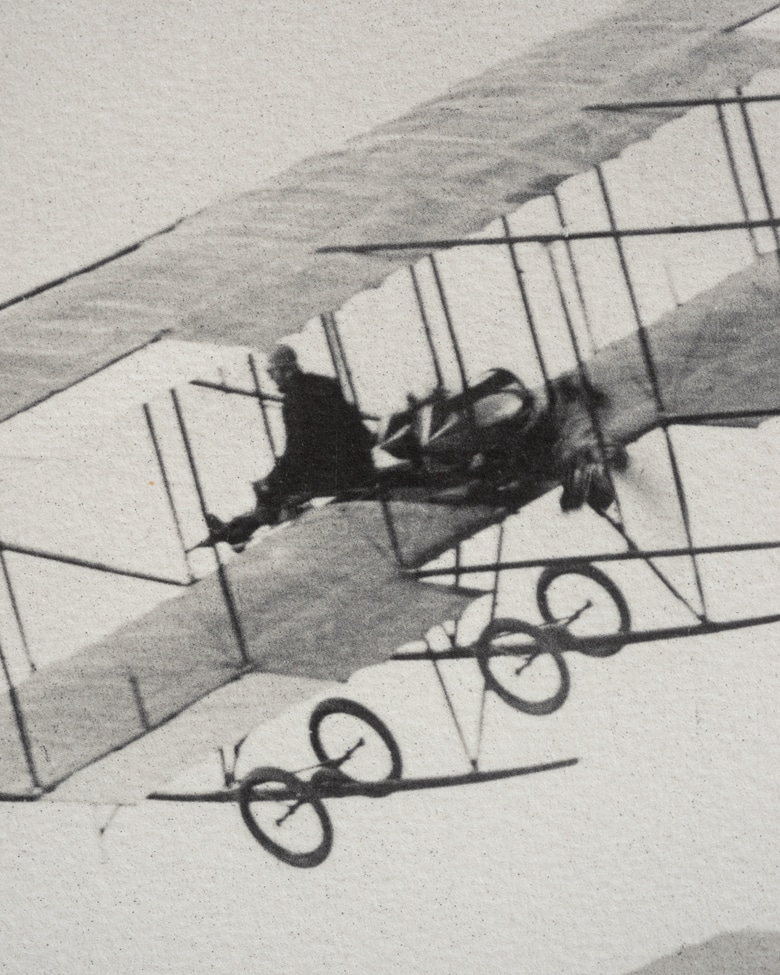
A professional cyclist for fifteen years — seven times Belgian speed champion and bronze medallist at the 1908 World Championships in Leipzig — Charles Van den Born (1874–1958) encountered Henri Farman by chance in a train between Brussels and Paris in 1909. Farman offered him a first flight. Within months, Van den Born had a pilot’s licence. At Nice in April 1910, flying aircraft No. 5 — the same airframe Farman had personally raced at Reims the year before — he finished second in the total distance standings with 584 km, despite repeated engine failures throughout the meeting.
The Farman he flew was powered by a 50 hp Gnôme rotary engine, the same configuration as Efimov’s No. 11. Where Efimov dominated through consistency and precision, Van den Born’s performance was marked by mechanical adversity: his mechanics rebuilt his engine more than once during the ten days of the meeting, and he flew the final races on an assembly of parts salvaged from two failed units. On the last day, rather than compete in the official Nice–Antibes race, he announced he would fly to Monaco and back instead — unescorted, against the advice of the race committee, over open sea with no patrol boats along his route. He returned after 38 minutes without incident.
Eight months after Nice, on 15 December 1910, Van den Born made the first flight ever performed above Southeast Asian soil — before more than 100,000 spectators at the Phu Tho racetrack in Saigon. Flights in Bangkok, Hong Kong, and Canton followed in 1911. Captured and tortured by Japanese forces during the Second World War, he survived and returned to France, ruined and ill. He died in 1958 at the retirement home of the Légion d’honneur in Saint-Germain-en-Laye.
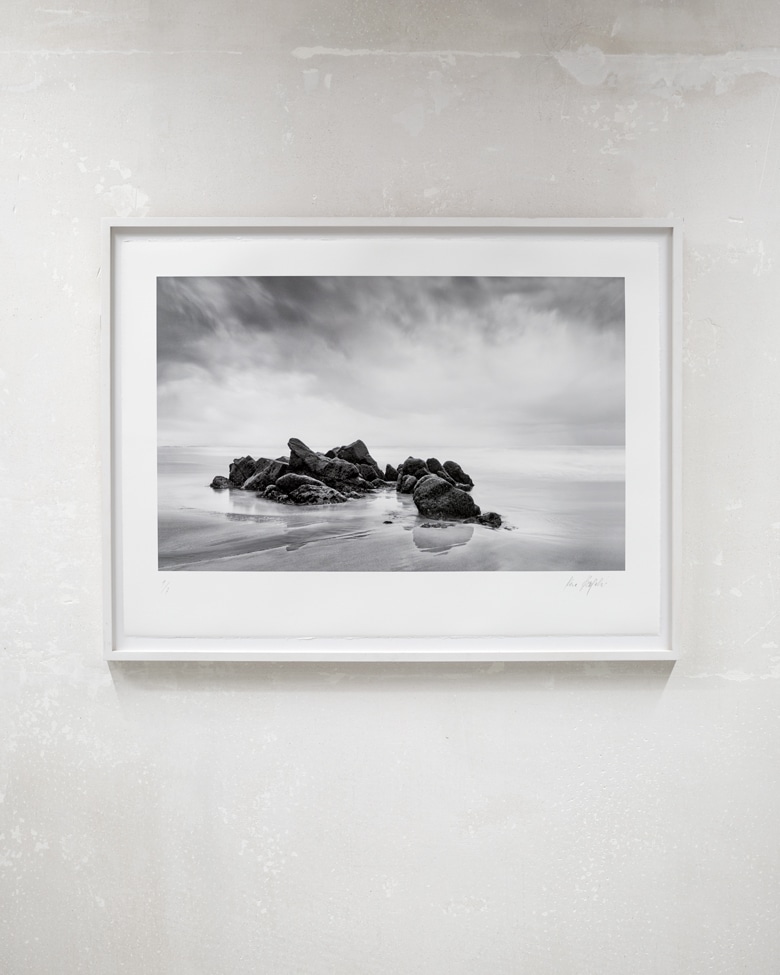
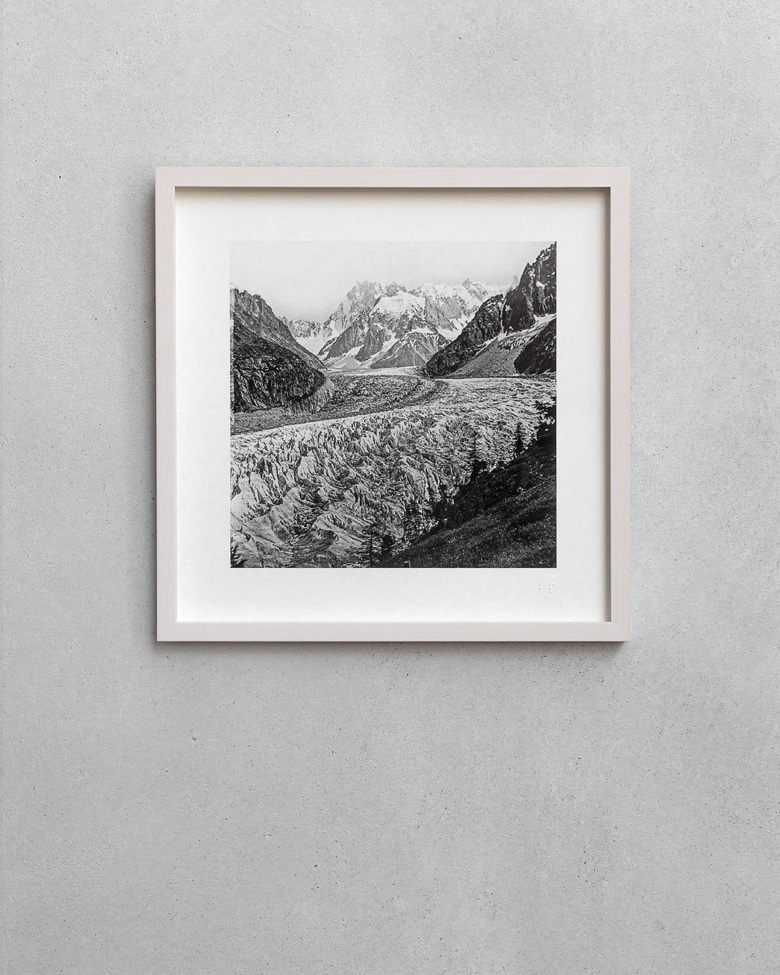
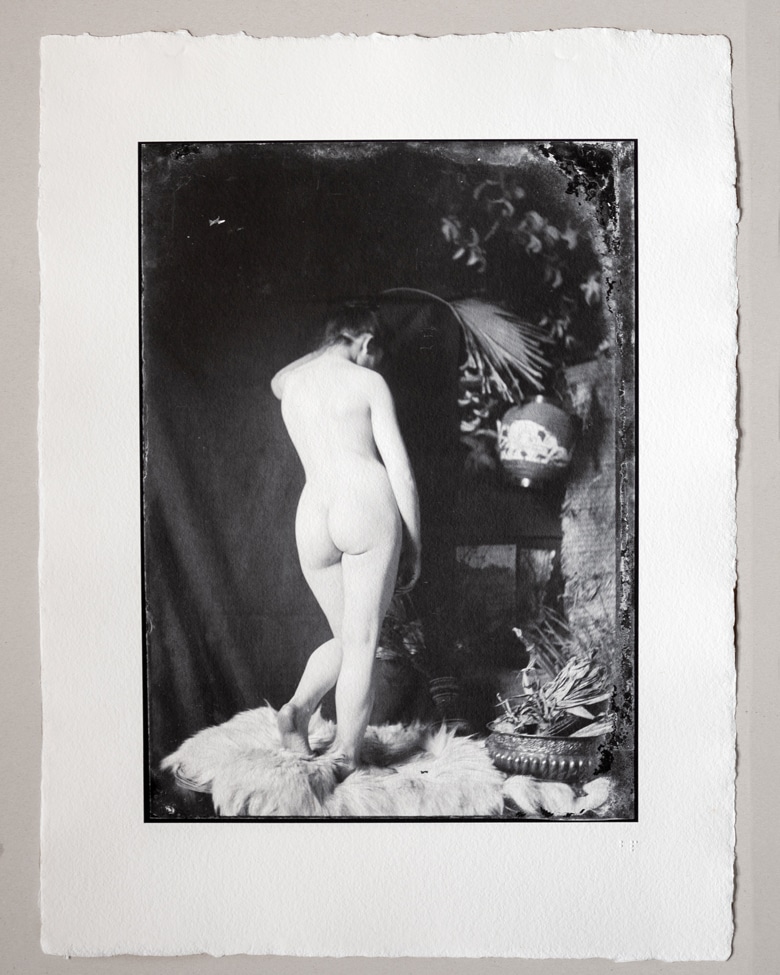
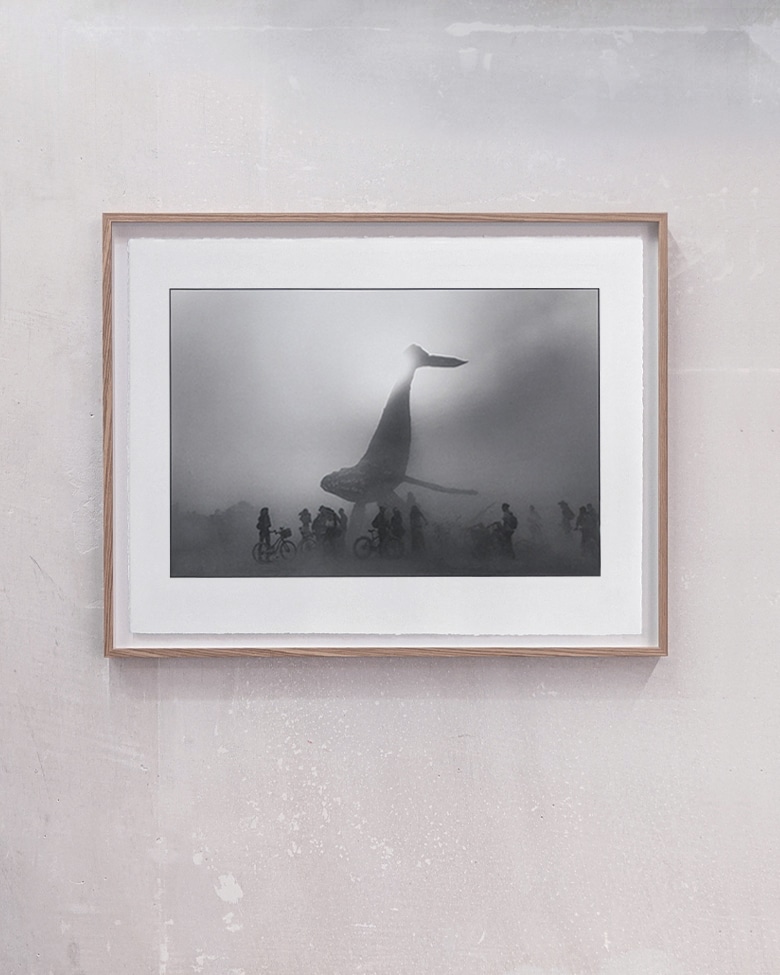
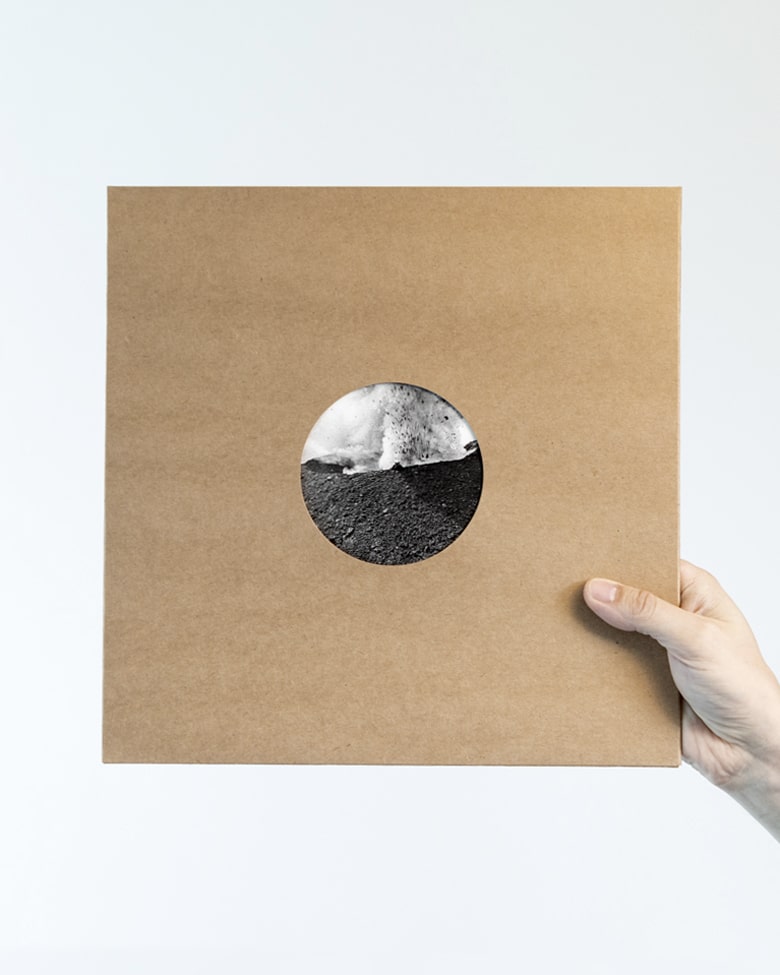
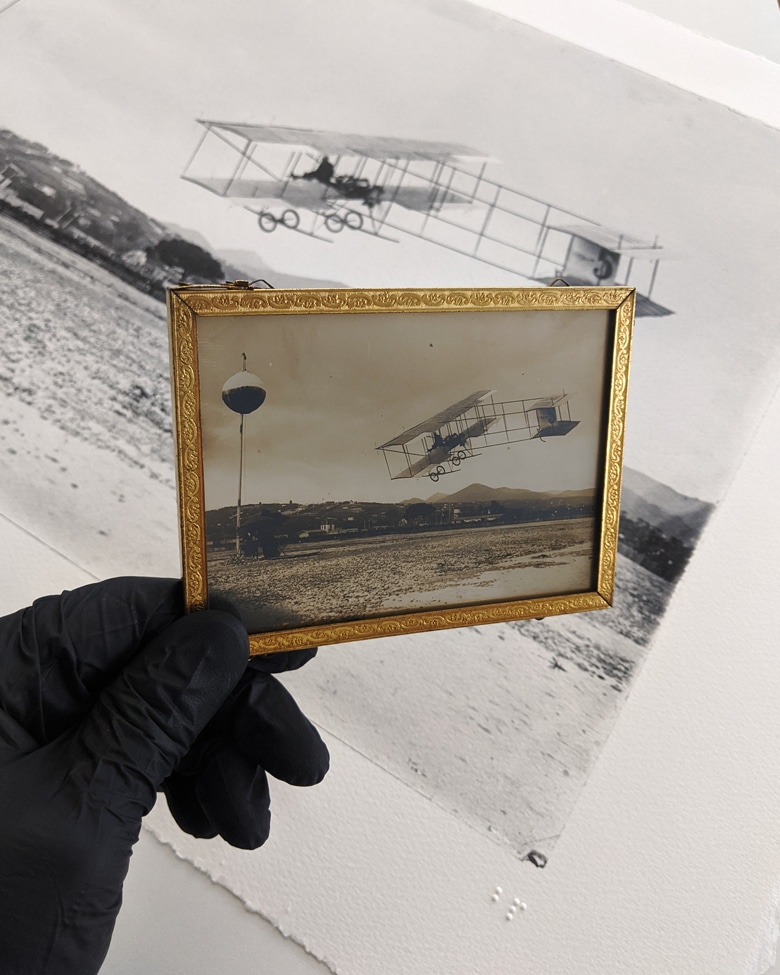
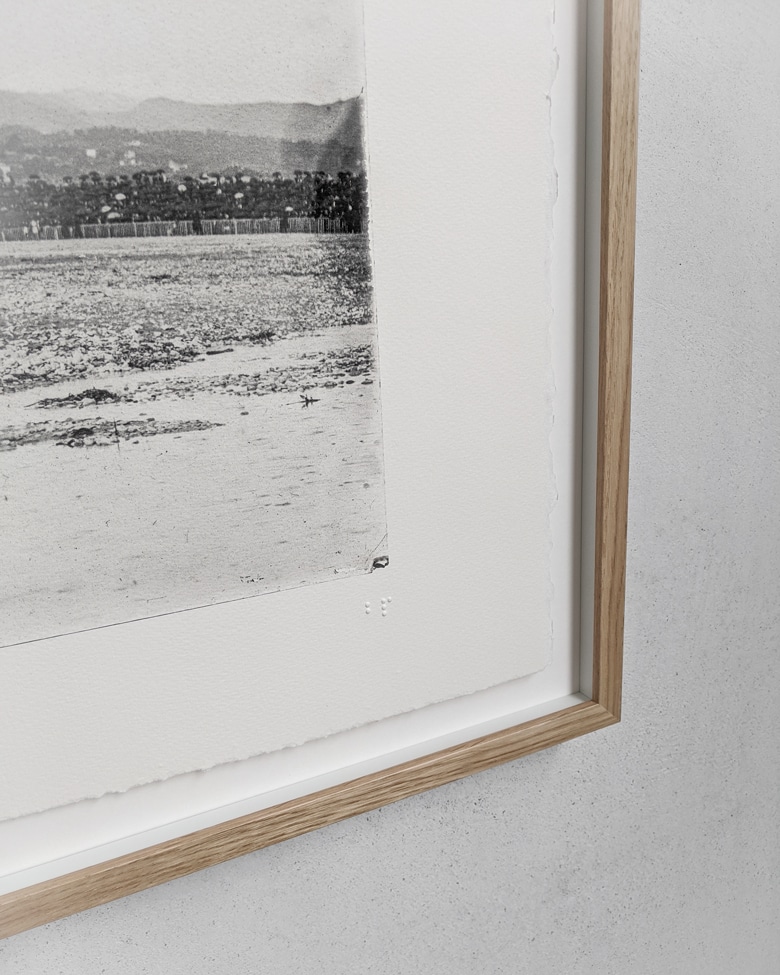
Limited to 15 numbered copies, the Piezography® Pro print is produced on Arches Velin BFK Rives Natural, a 100% cotton paper made by cylinder mould — a process that deposits fibres multidirectionally, giving the sheet its characteristic dimensional stability and its particular surface. The paper unites two papermaking traditions: the Moulin d’Arches, founded in the Vosges in 1492, and the Rives mills in Isère, active since 1573, whose merger gave rise to the BFK name in 1820. It carries the ∞ watermark certifying its archival permanence: pH-neutral, acid-free, with an alkaline reserve. Its natural off-white tone and fine texture hold the full tonal range of the Piezography® Pro carbon pigment system.
The plate
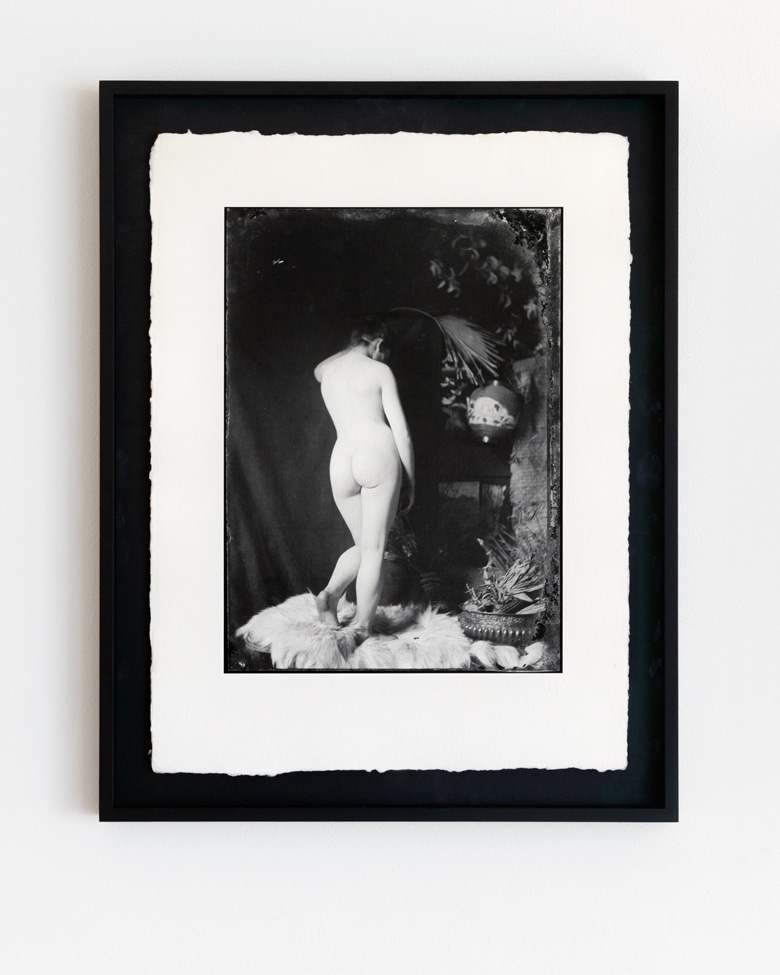
Historical research on this plate is ongoing. Findings will be updated as they emerge.