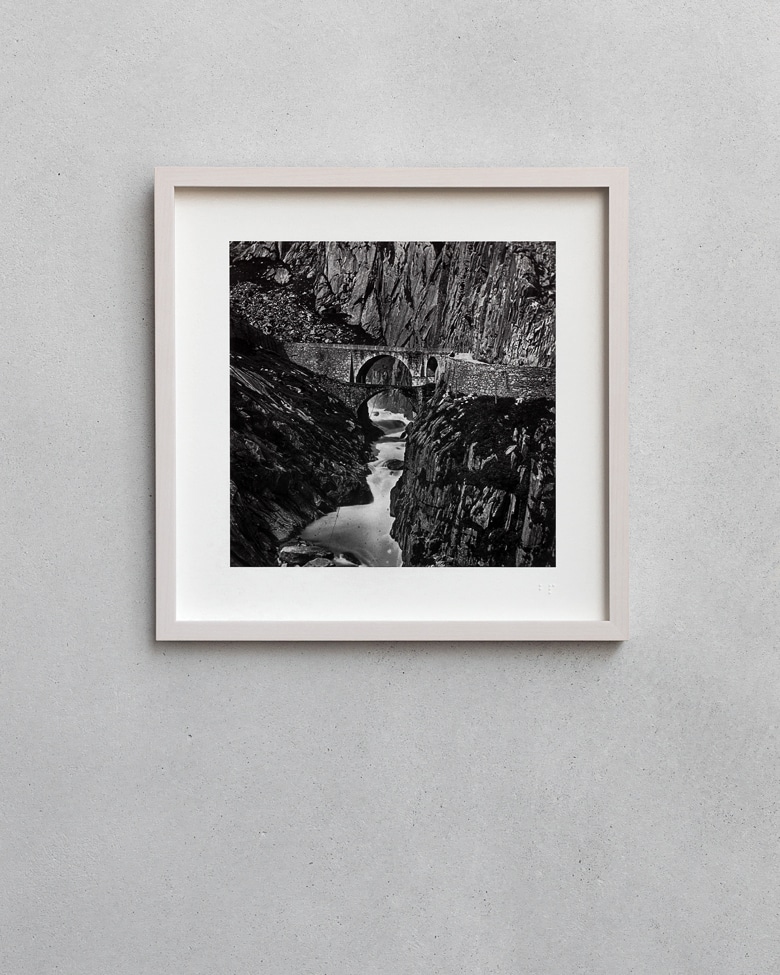
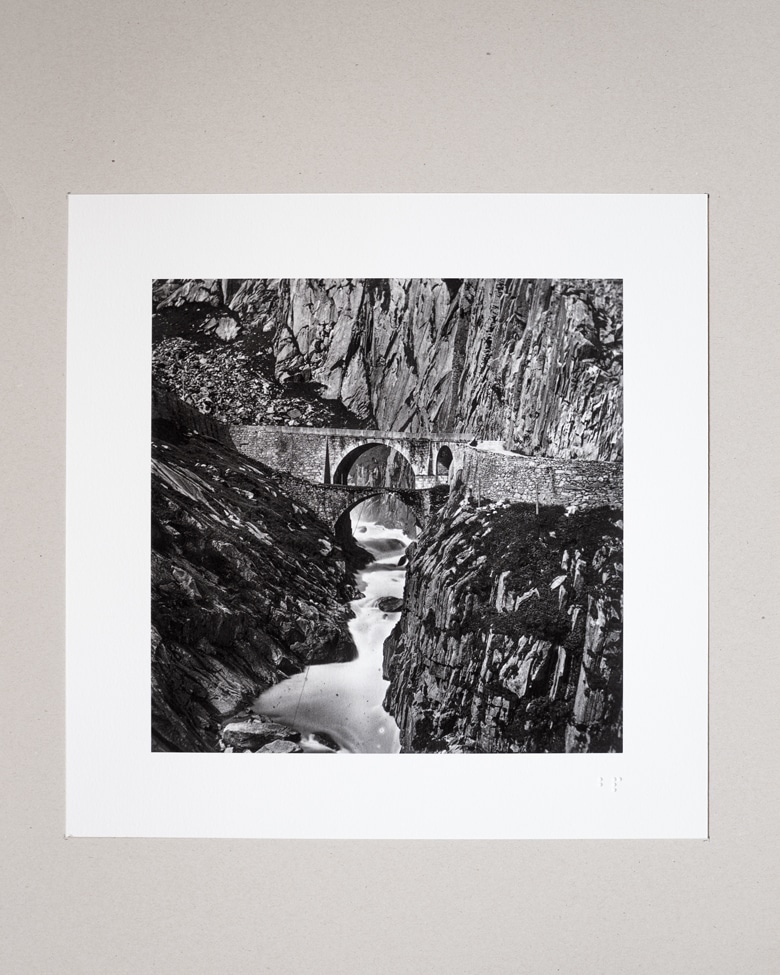
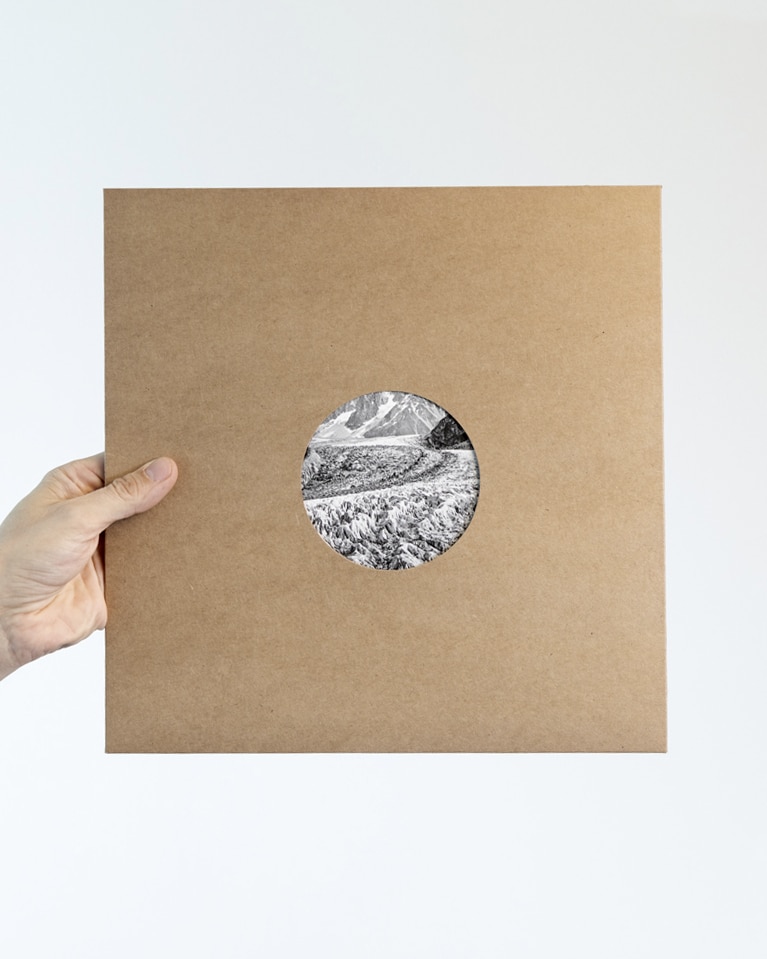
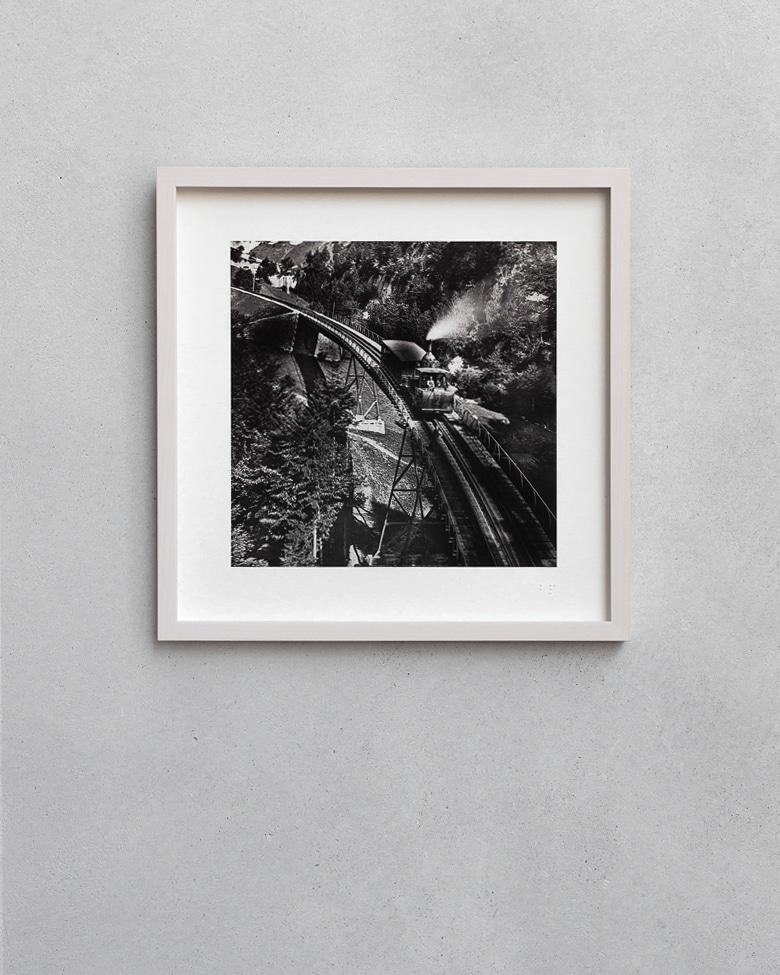
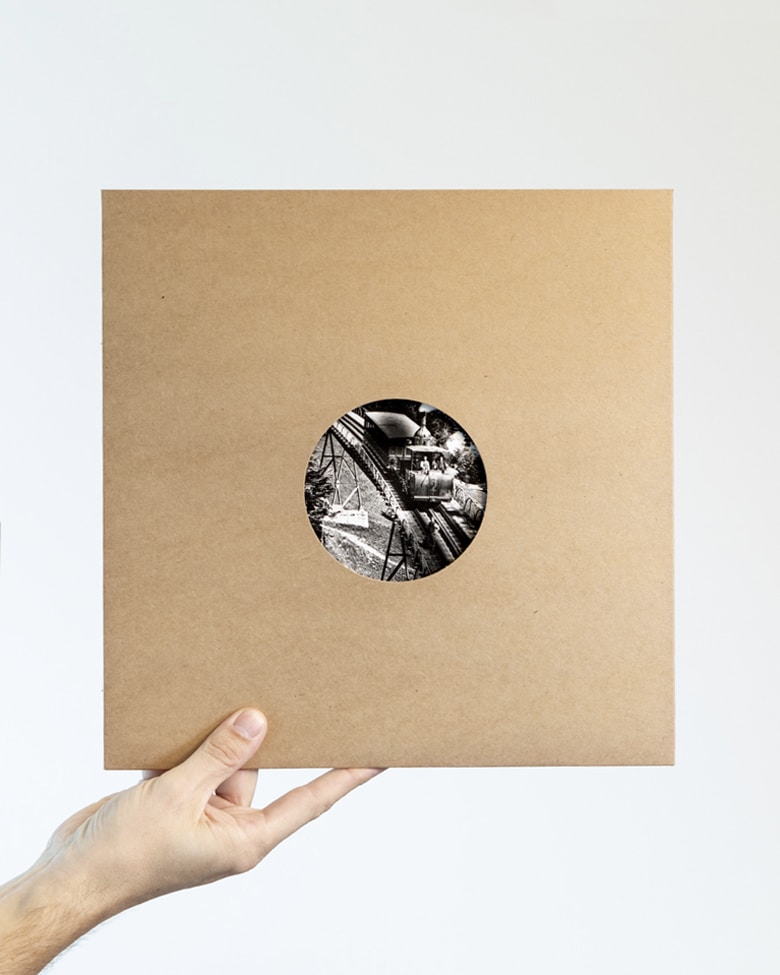
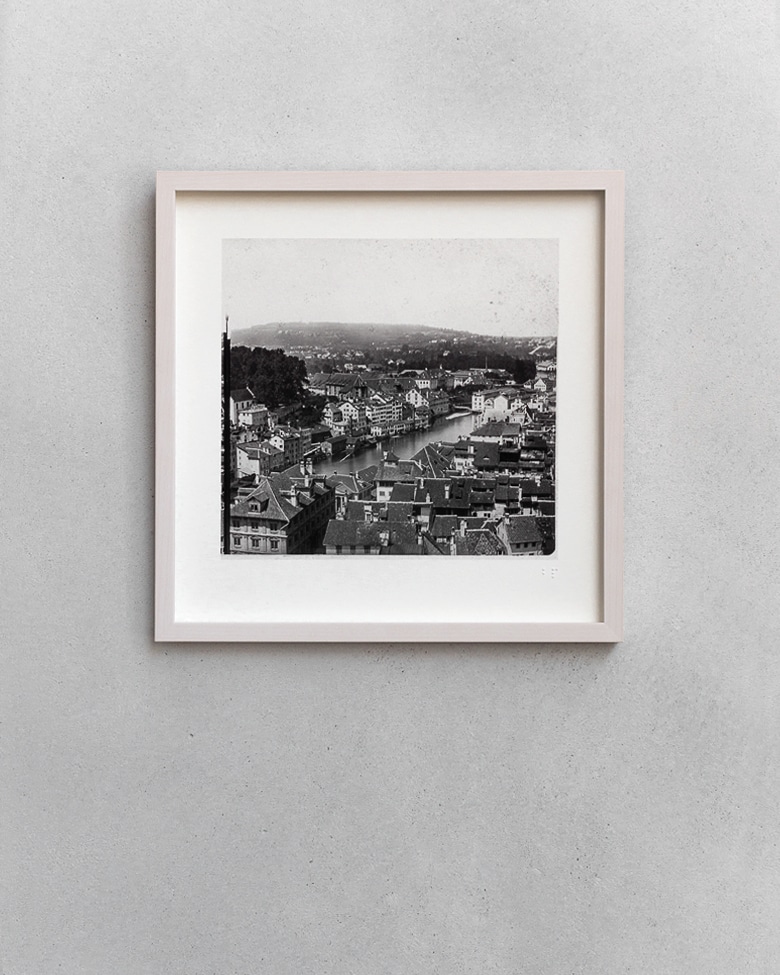
The Devil’s Bridge: Myth, History, and Granite (1864)
The Gotthard massif is far more than a mountain; it is the mythic heart of Switzerland and the “water tower of Europe.” Within its depths, four major rivers are born, flowing toward the four cardinal points: the Rhine, the Rhone, the Reuss, and the Ticino. At the center of this unique hydrological crossroads lies its most formidable passage: the Schöllenen Gorge—a granite abyss where legend and history converge.
The Pact and the Devil’s Stone
Legend tells that the gorge was so steep and the floods of the Reuss so violent that no bridge could withstand the elements. In desperation, the Landamman of Uri is said to have cried out: “Let the Devil himself build a bridge then!” The Evil One appeared and accepted the challenge on one condition: the soul of the first to cross the bridge would belong to him forever. Once the bridge was miraculously erected, the locals—using a “mountain cunning” that has since become legendary—sent a billy goat across to lead the way.
Enraged at being duped for a mere beast, the Devil seized a colossal rock to shatter his handiwork. However, a pious old woman scratched a cross onto the stone, causing the Devil to flinch and miss his target. This 2,000-ton rock, the Teufelsstein, is still visible today near Göschenen—a petrified witness to this duel between man and the Devil that forged the identity of the Canton of Uri.
An Imperial Battlefield (1799)
Long before this photograph was taken, these stones witnessed a very real historical drama. On September 25, 1799, the gorge became a vertical battlefield where Napoleonic troops clashed with the Russian army of General Suvorov in a fierce struggle for control of Europe. The original 1595 bridge, damaged during the battle, remained visible as a romantic ruin alongside this newer structure until a violent storm finally swept it away on August 2, 1888.
Ferrier & Soulier: The Elite of 19th-Century Stereoscopy
In the mid-19th century, the Ferrier & Soulier agency embodied the pinnacle of luxury photography. As official suppliers to Napoleon III, they dominated the market through a major technical innovation: the albumen collodion glass positive.
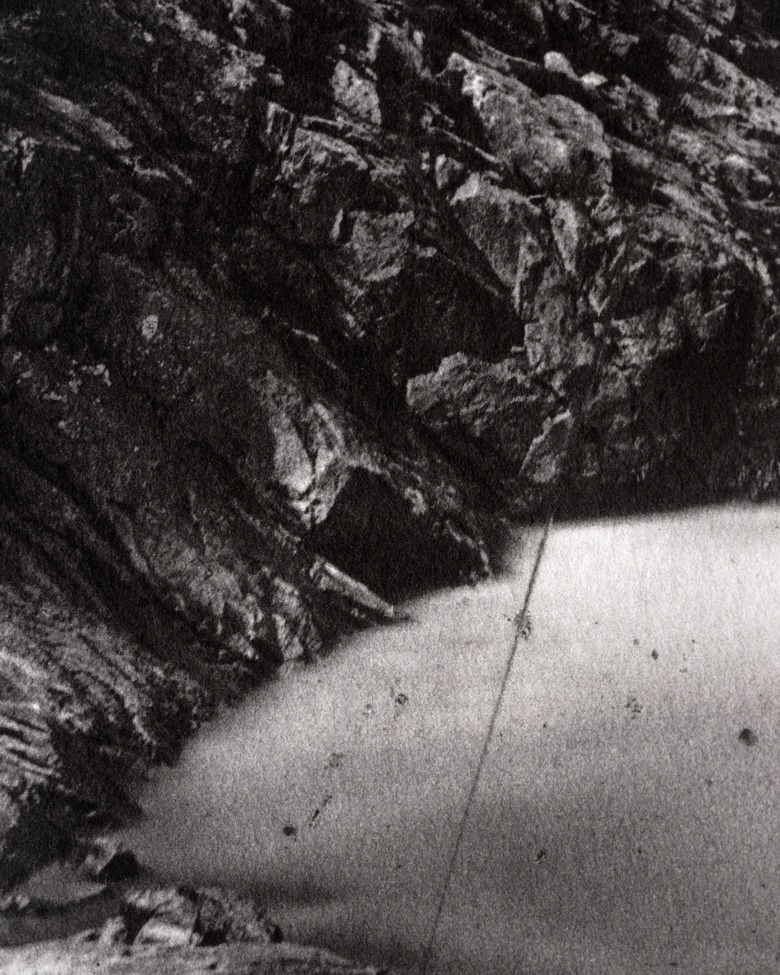
Unlike paper prints, glass offered crystalline transparency and surgical sharpness, creating a striking illusion of depth when viewed through a stereoscope. The Schöllenen Gorge, notoriously dark and misty, provided the ultimate test for this medium. This 1864 plate captures the second stone bridge (built 1820–1830) with absolute precision, revealing the raw texture of the granite and the churning spray of the Reuss river. Blending aesthetic rigor with scientific clarity, Ferrier & Soulier transformed this site of ancestral fear into a luminous masterpiece of the Industrial Age.