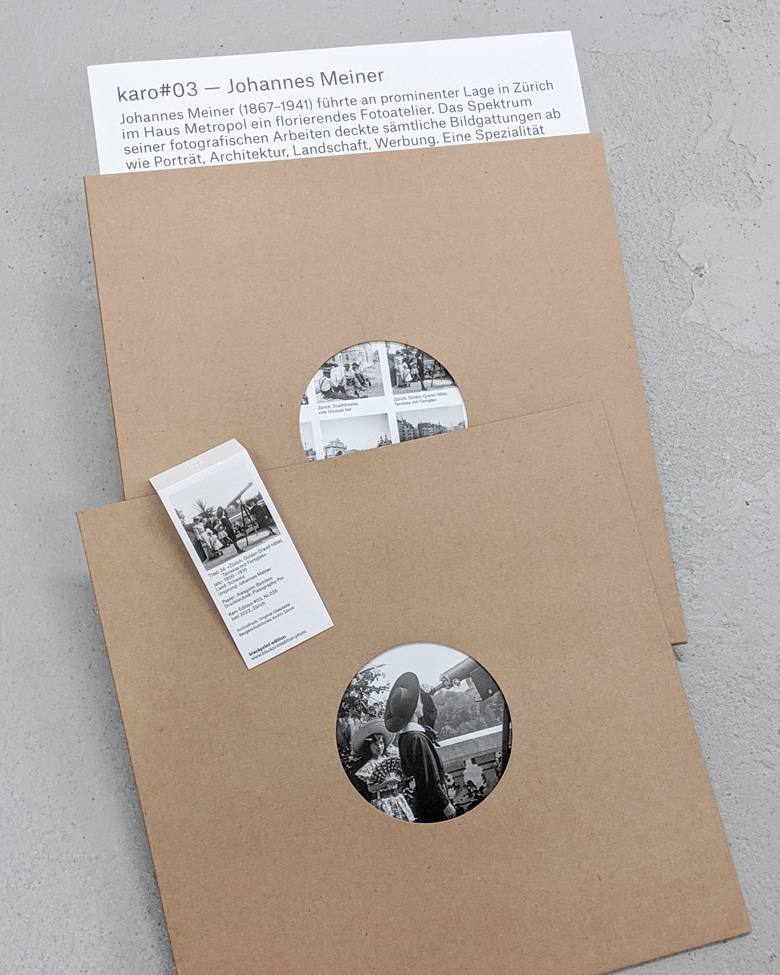
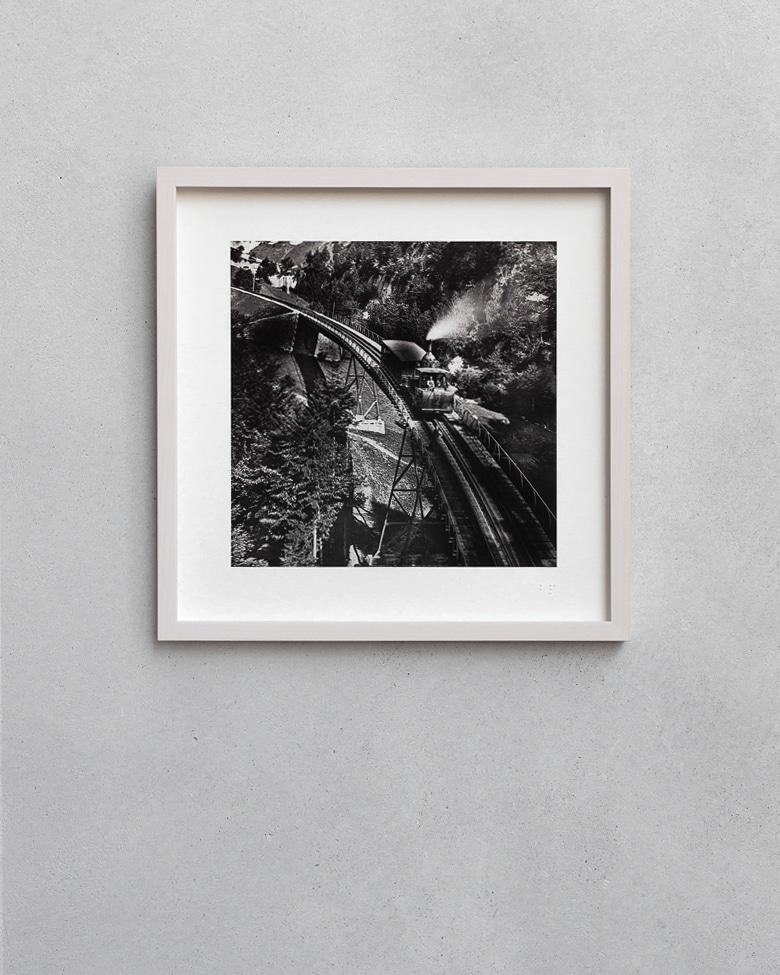
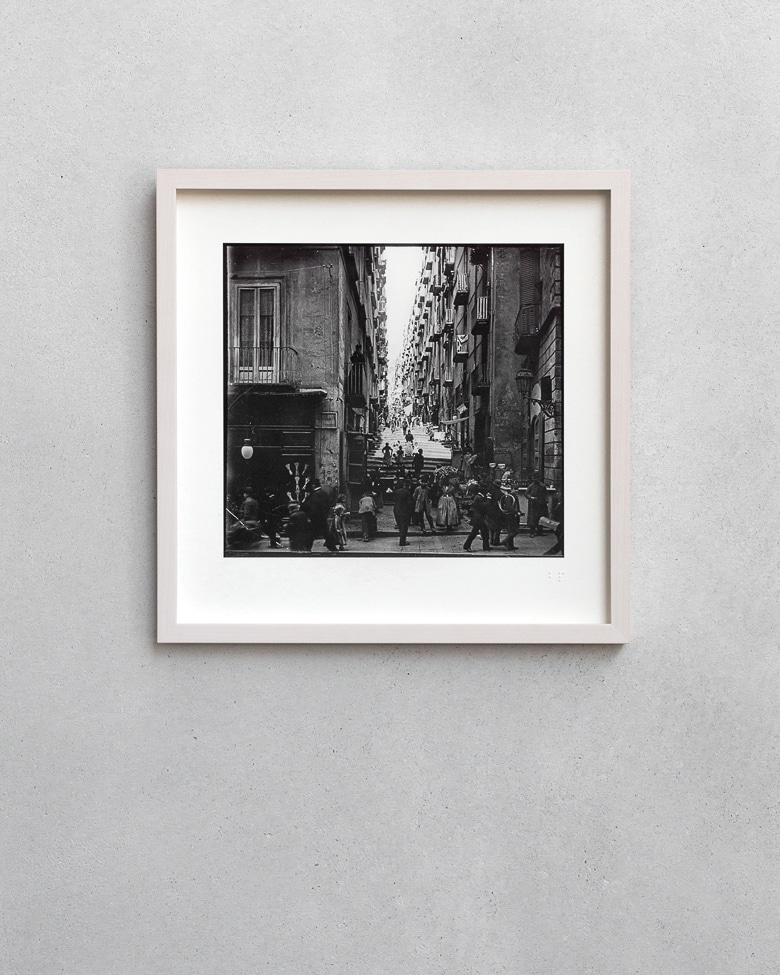
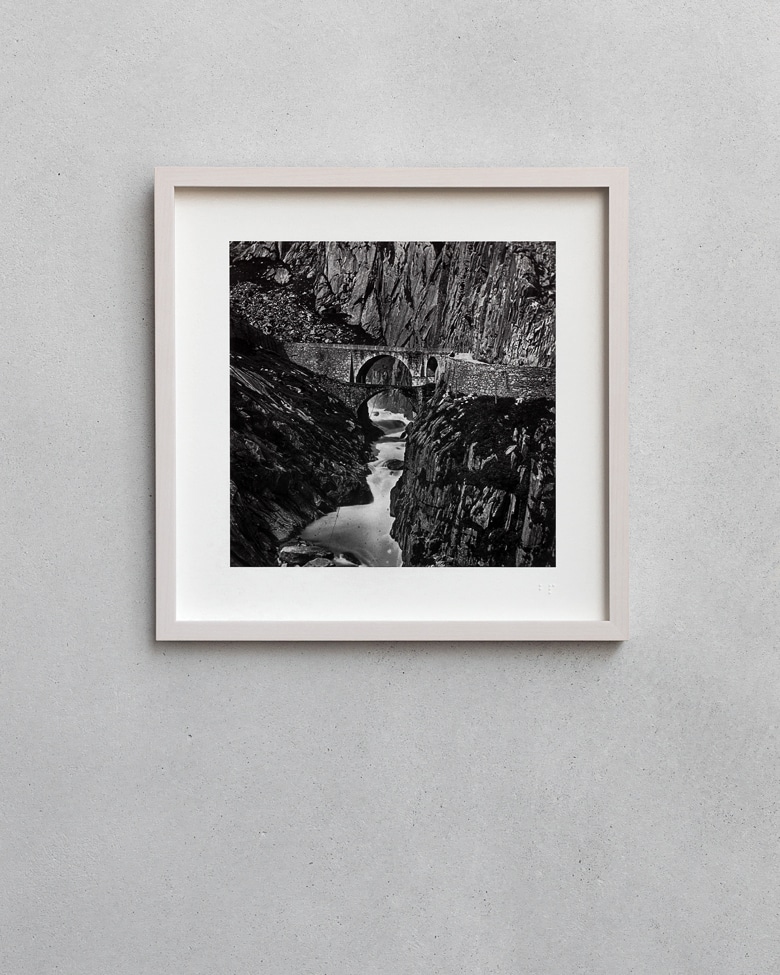
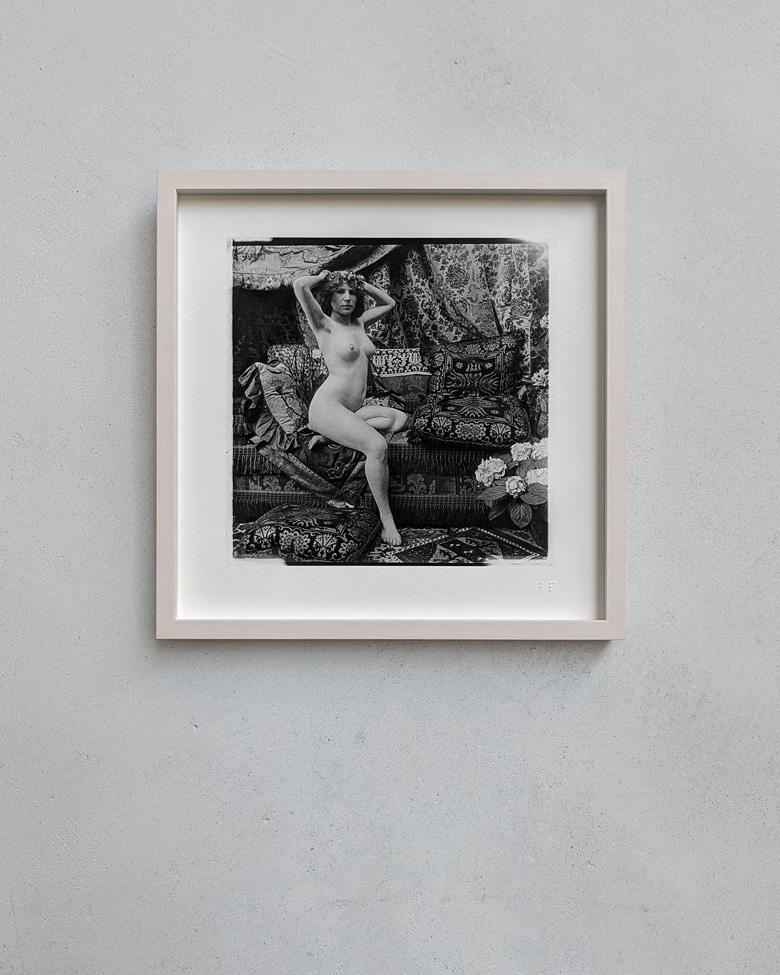
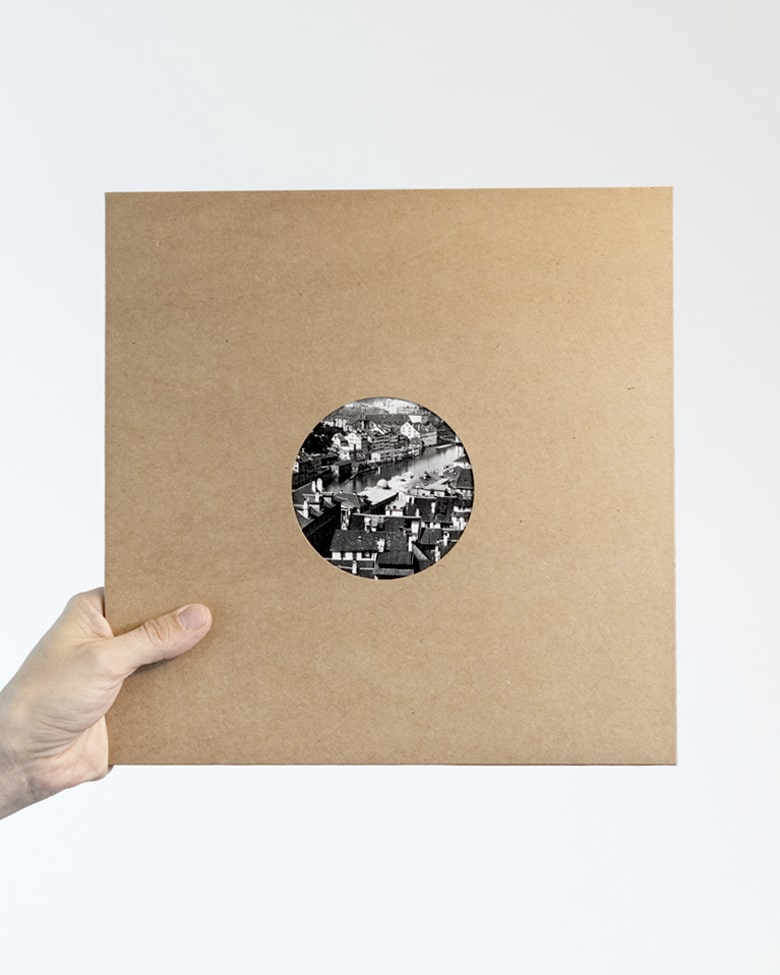
Johannes Meiner (1867–1941) ran a photographic studio in Zurich’s Metropol House, working across all genres: portraits, architecture, urban views, advertising. His speciality was stereoscopy — a format whose square constraint, once reframed, fits naturally into the Karo. His plates document Zurich between approximately 1890 and 1920, and are today held at the Baugeschichtliches Archiv der Stadt Zürich, the institution in collaboration with which this selection was assembled by Ylva Meyer.
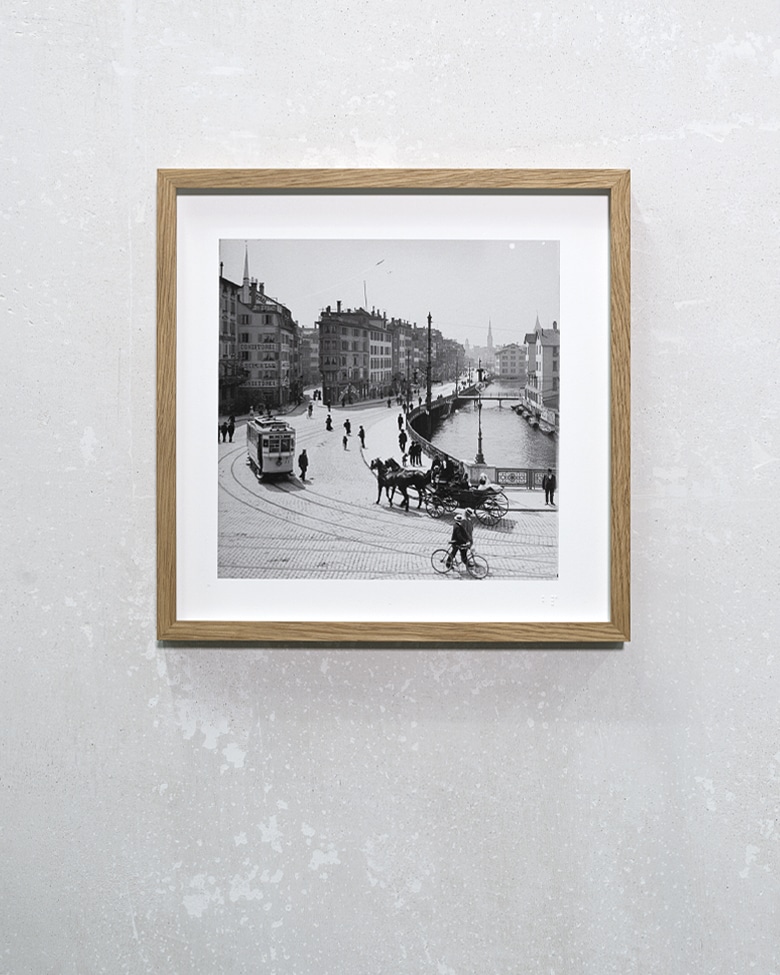
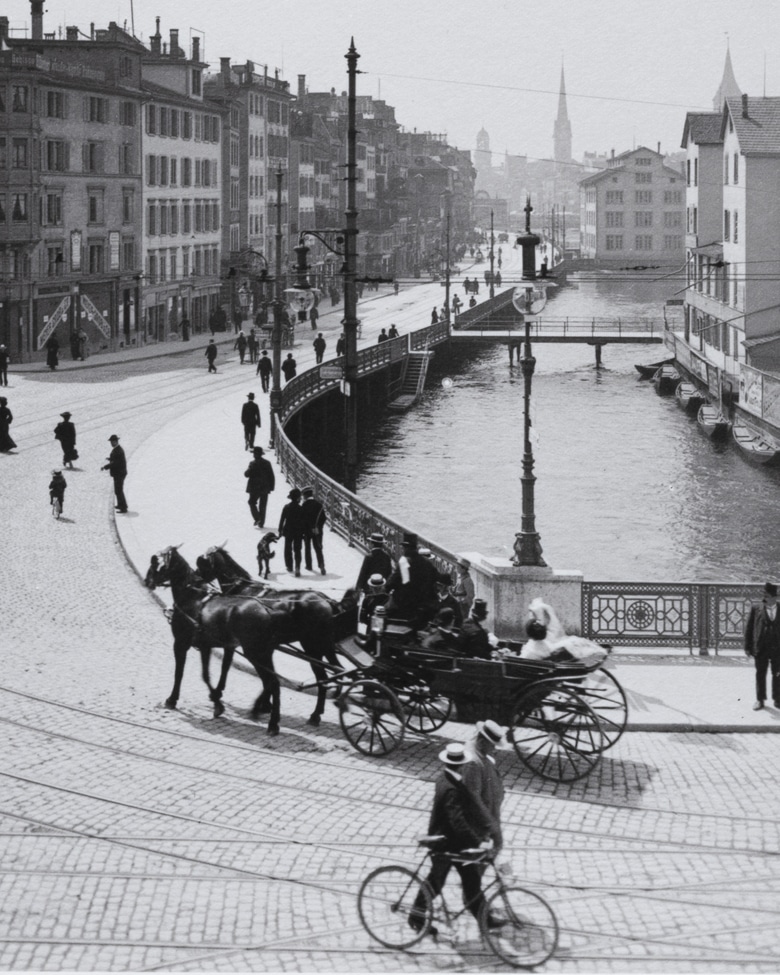
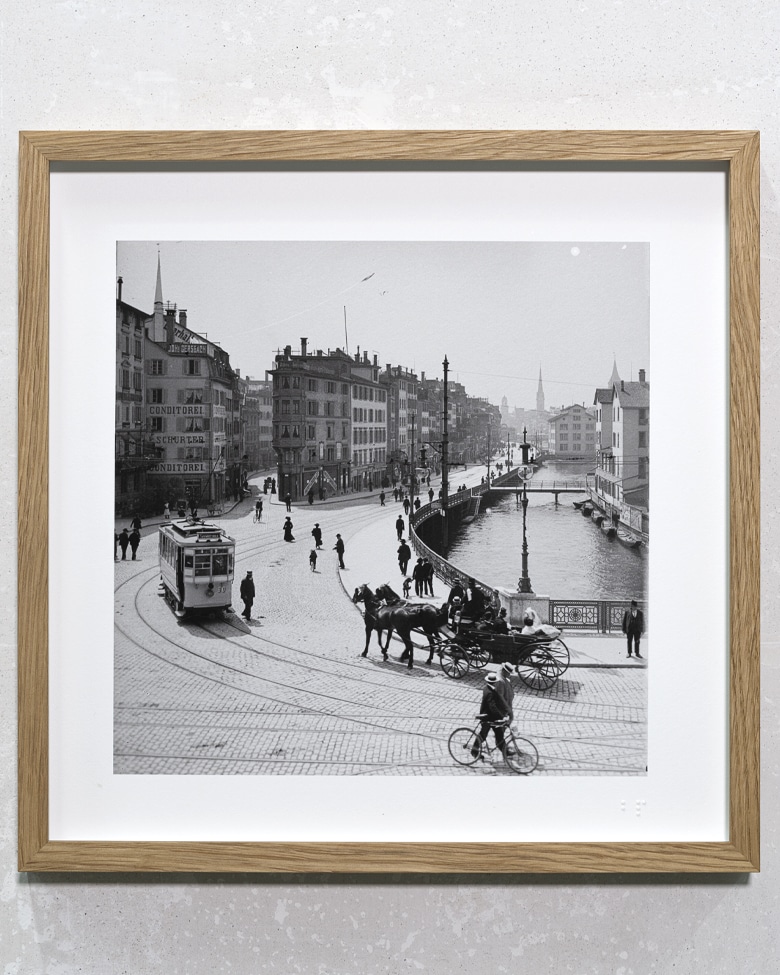
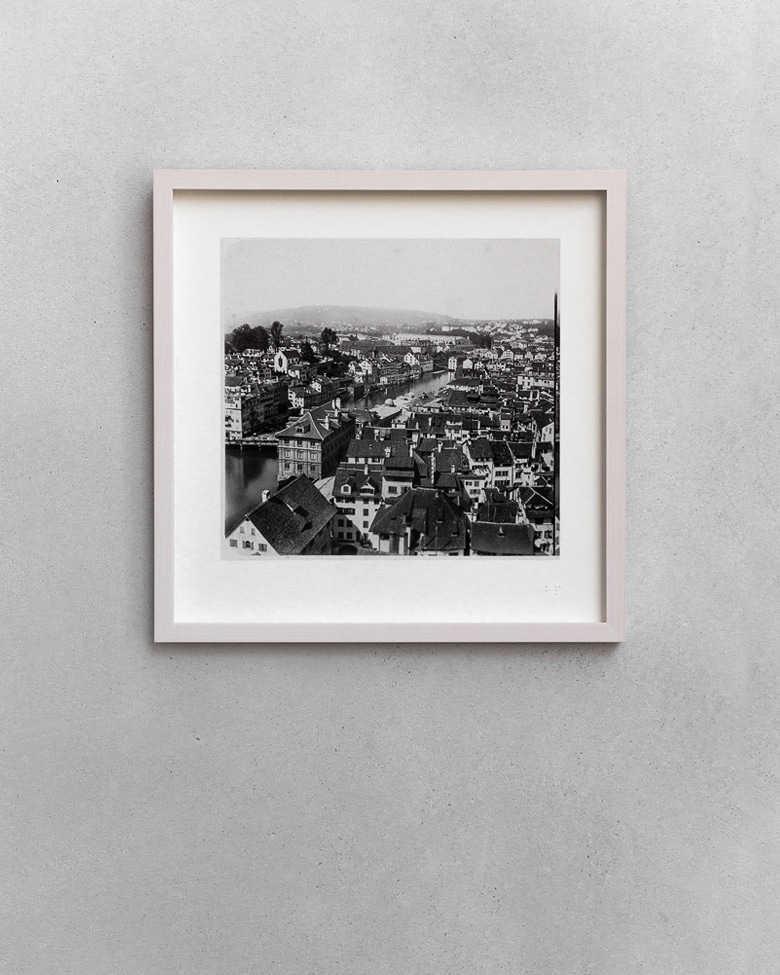
The photograph is taken from a height — a window or balcony — above the Limmatquai, looking north towards the Münsterbrücke. The tram visible in the foreground belongs to the electric network inaugurated in 1894, which replaced the horse-drawn lines opened in 1882. By the time of the photograph, the two systems no longer coexisted in transition — the carriage and the tram share the same cobblestones by ordinary urban chance, not by the fact of an ongoing technological shift. On the left, the facade of the building at Limmatquai 4 carries the signage of Conditorei Schurter.
What the image fixes is a morning on the Limmatquai around 1900 — the tram, the carriage, the cyclist, the church steeples receding into haze — without drawing a lesson from it. This is not a document about progress, nor about what has since disappeared. It is a frame, a viewpoint, a light. The edition prints it at a scale and on a paper Meiner could not have imagined for this plate.
The plate
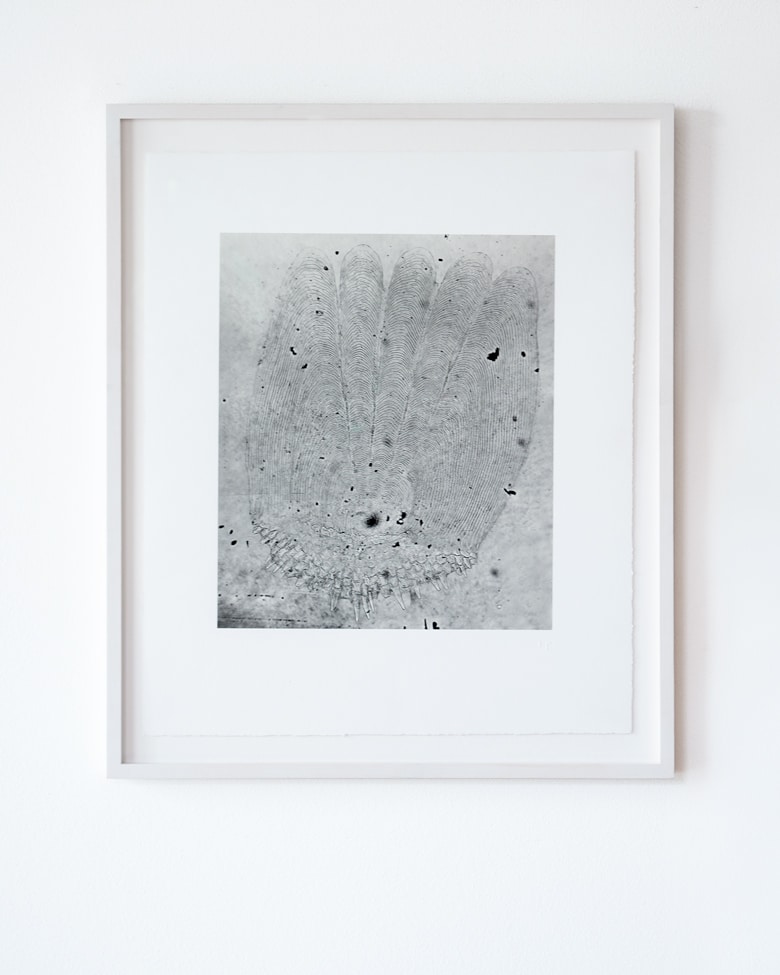
Stereoscopic glass slide. Selected from the Johannes Meiner holdings at the Baugeschichtliches Archiv der Stadt Zürich. Dated c. 1900. Piezography® Pro print on Awagami Bamboo Washi, 250 g/m² — made by the Awagami Factory in Tokushima, Japan, directed by the Fujimori family for eight generations, within a washi tradition in the Awa region dating to the 7th century. 30 × 30 cm. Edition of 200, Zürich.