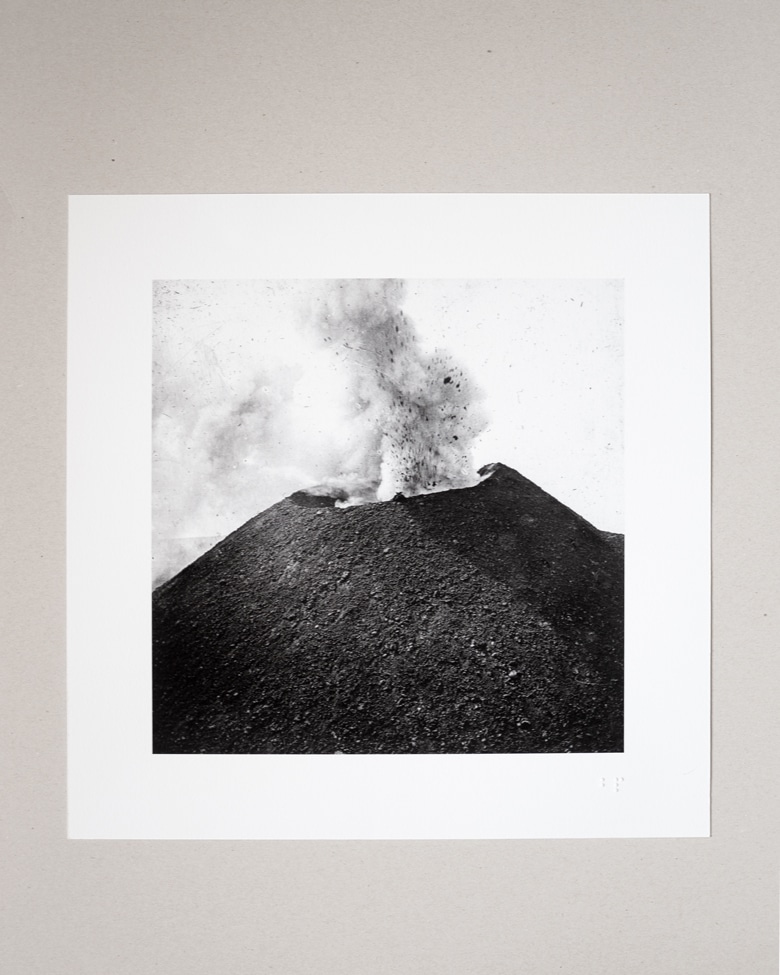
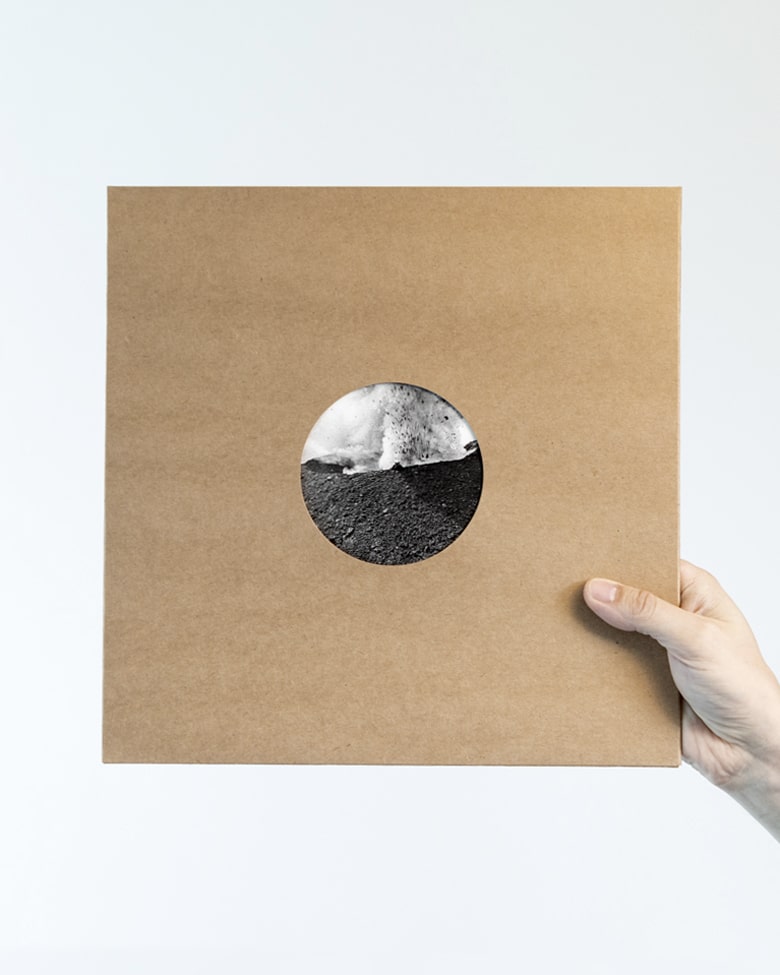
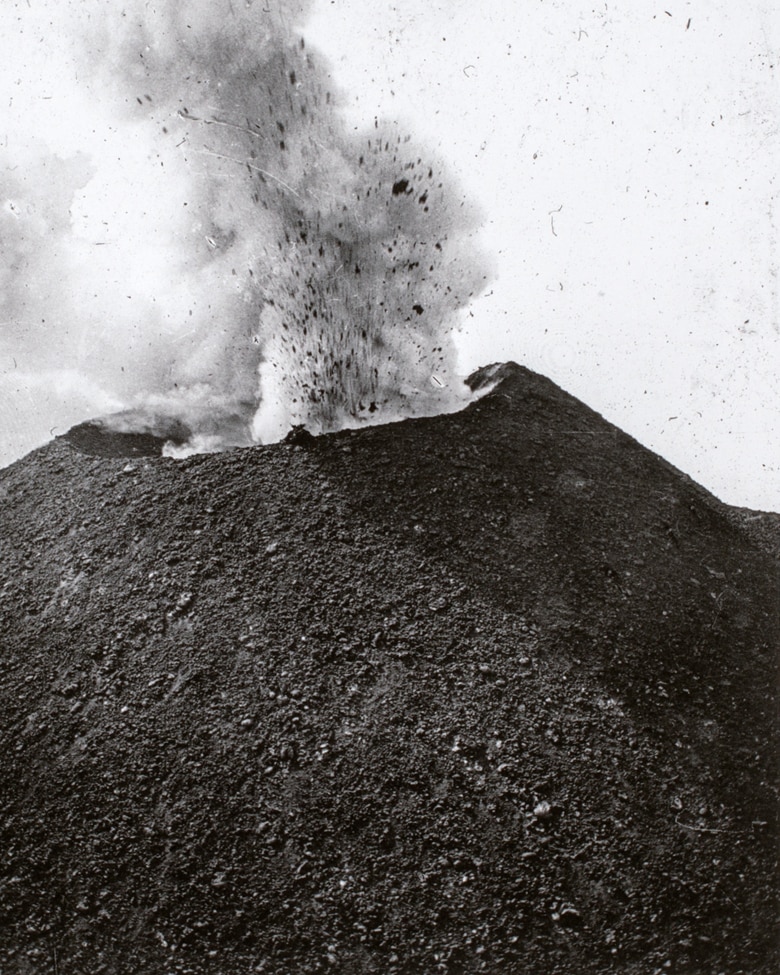
Vesuvius: The Vanished Cone (1880)
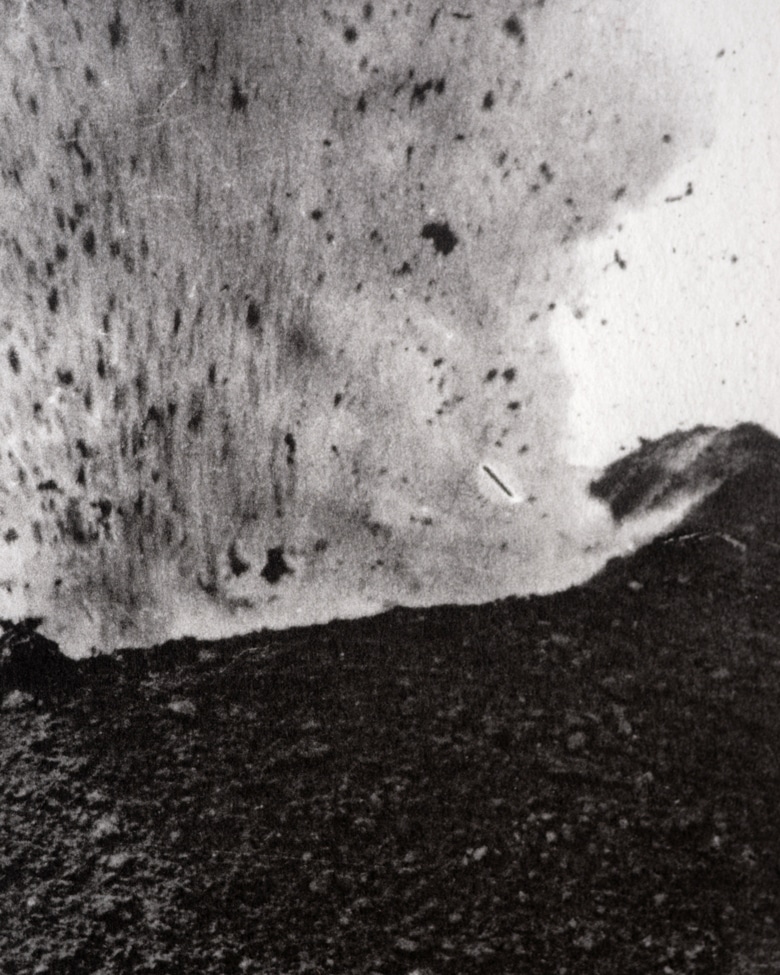
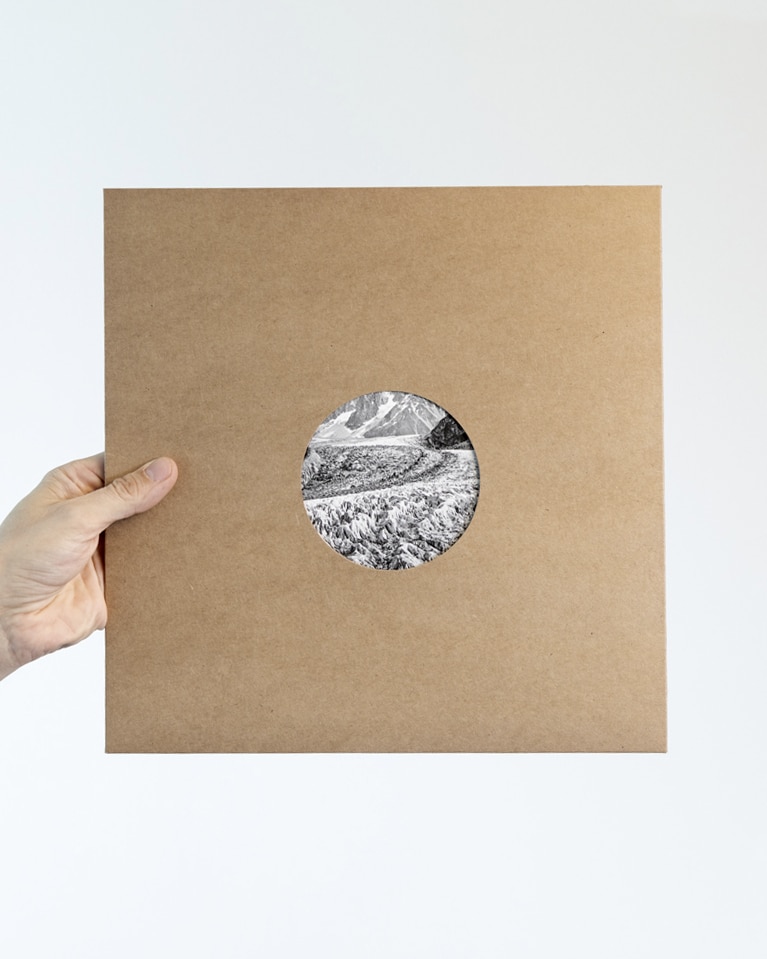
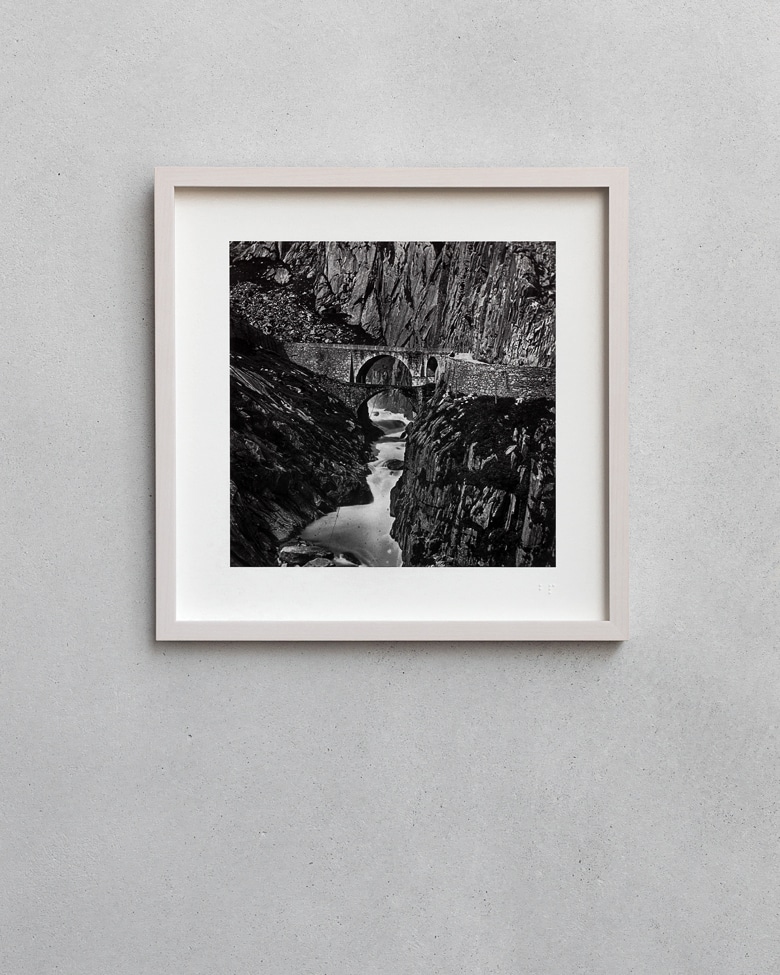
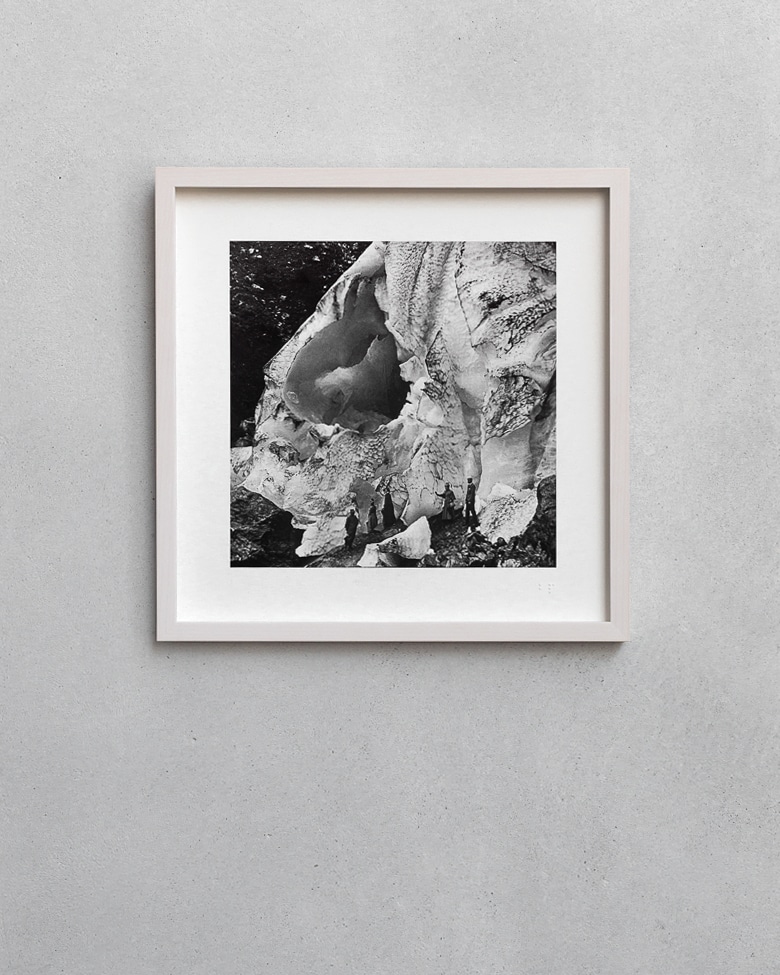
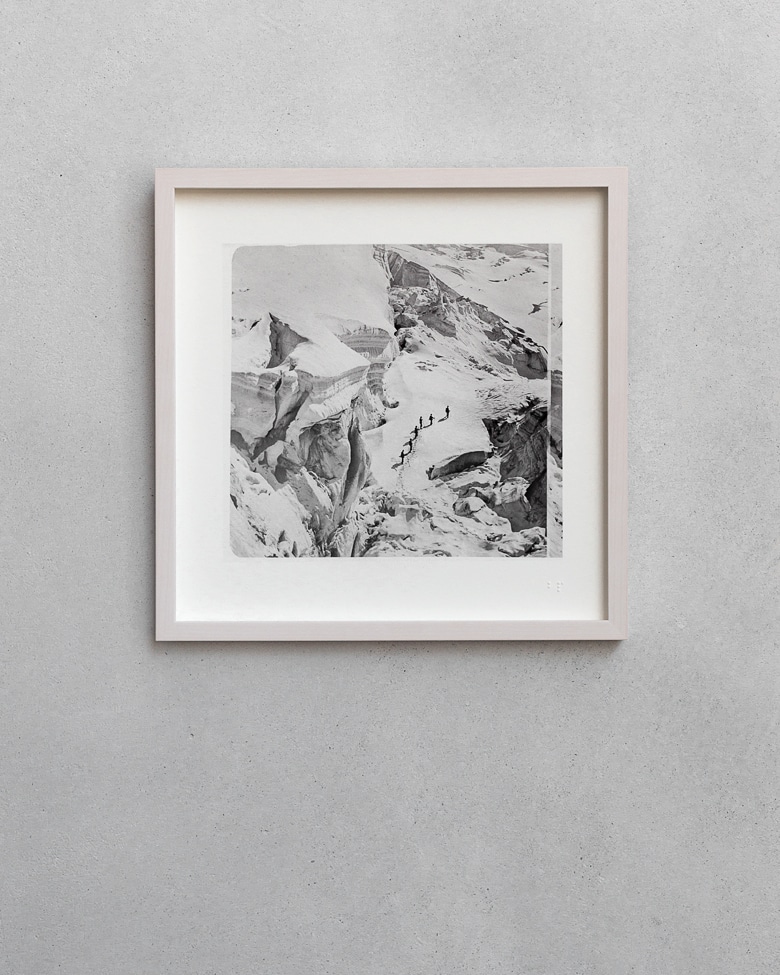
Vesuvius, the eternal sentinel of the Bay of Naples, has always been a subject of fascination and terror. In 1880, when this photograph was taken, the volcano presented a silhouette that is now lost to history. This image captures the inner volcanic cone in remarkable detail, just decades before the cataclysmic events of the early 20th century.
The Great Transformation (1906)
The topography seen here—the steep, jagged walls of the inner crater—was profoundly altered during the 1906 eruption. Known as one of the most violent since 1631, this eruption caused the summit of Vesuvius to collapse. The mountain lost approximately 115 meters in height, and the narrow, dramatic cone shown in this 1880 plate was replaced by the vast, wide crater we know today. To own this print is to possess a “ghost landscape”—a visual record of a geological structure that has ceased to exist.
A Transatlantic Collaboration: McAllister & J. Levy
This plate is a witness to the golden age of the global image market. It was published through a collaboration between J. Levy & Cie in Paris (successors to the legendary Ferrier & Soulier) and T.H. McAllister in New York, a renowned manufacturer of optical instruments. At a time when travel to Italy was a luxury of the “Grand Tour,” these two houses worked together to bring the raw, textured reality of volcanic rock to the world. A copy of this specific view is notably preserved in the William Henry Goodyear Collection at the Brooklyn Museum, attesting to its historical and educational value.