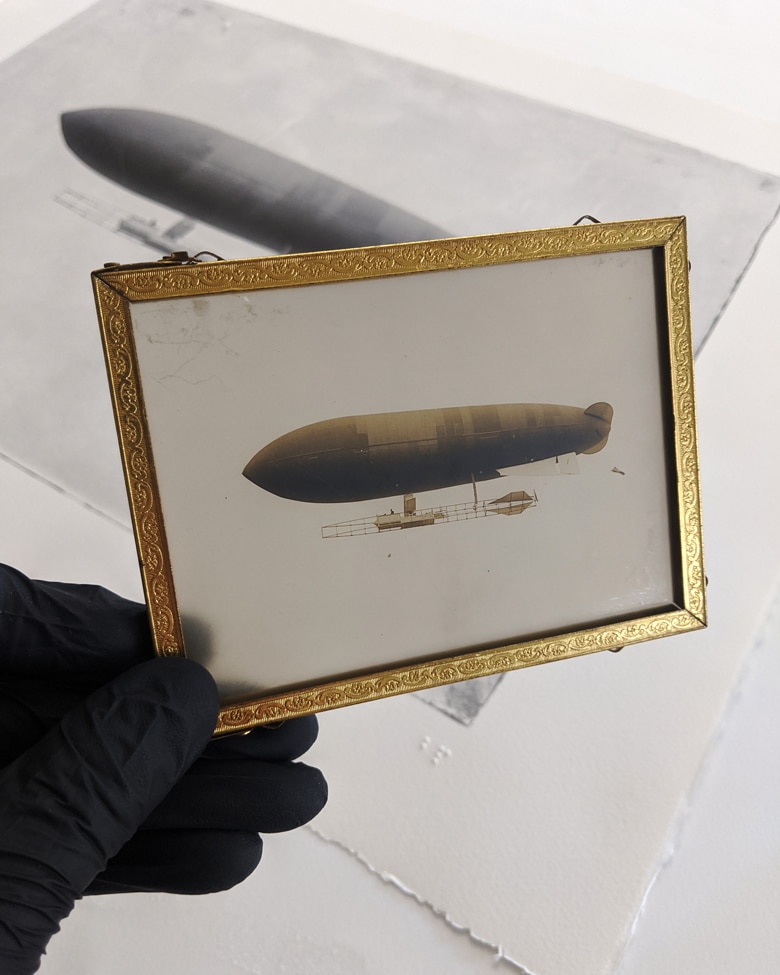
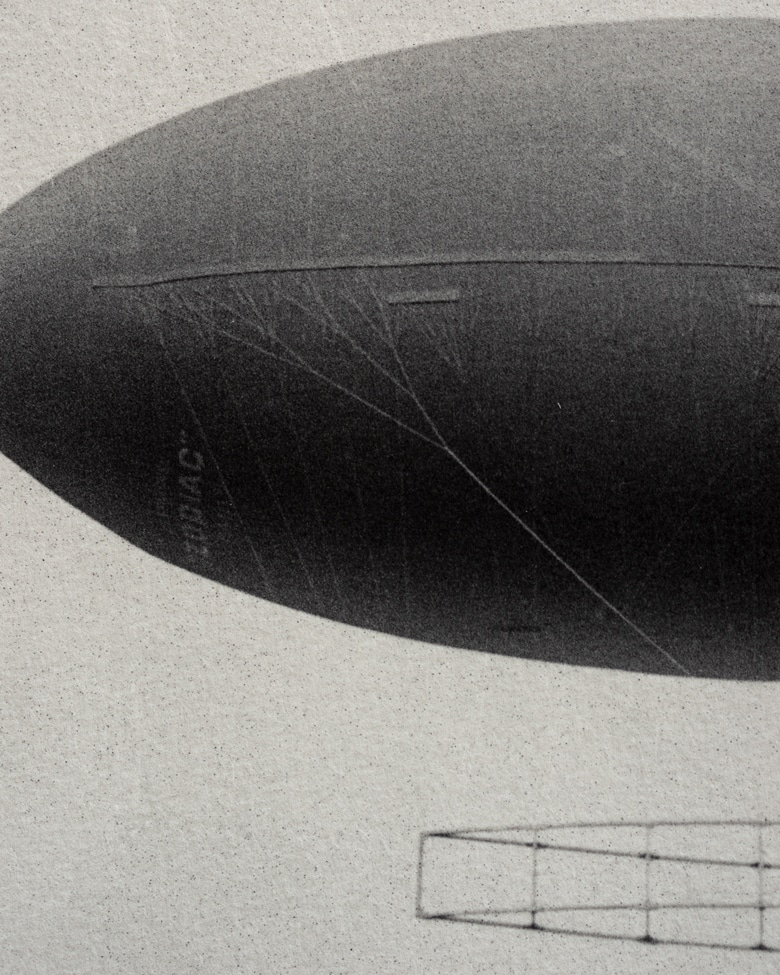
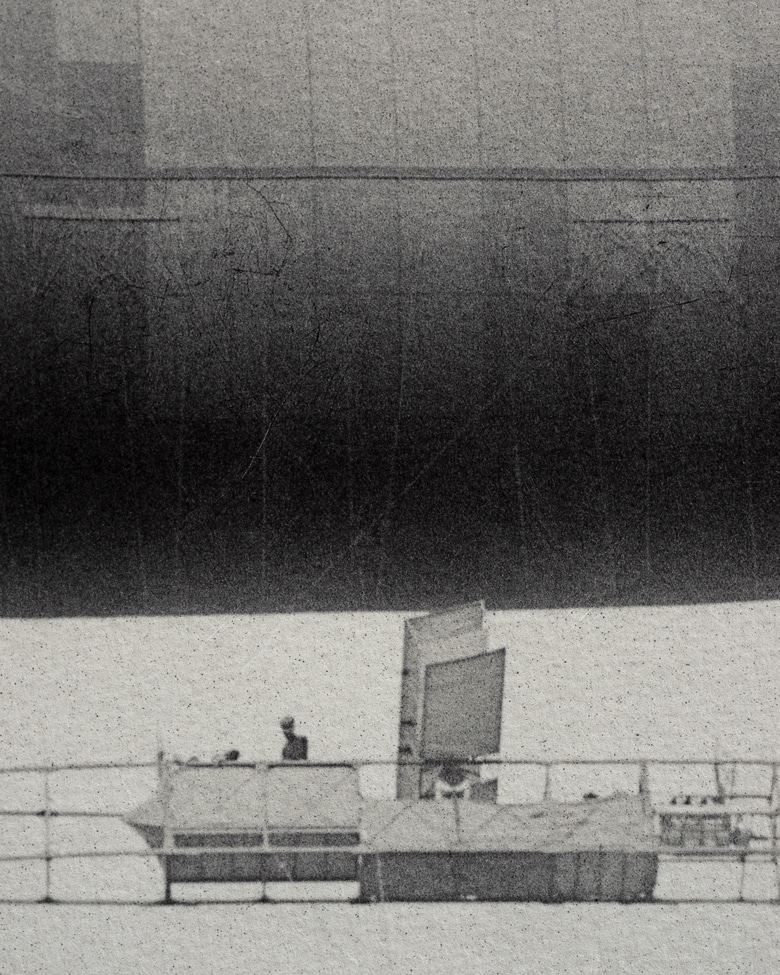
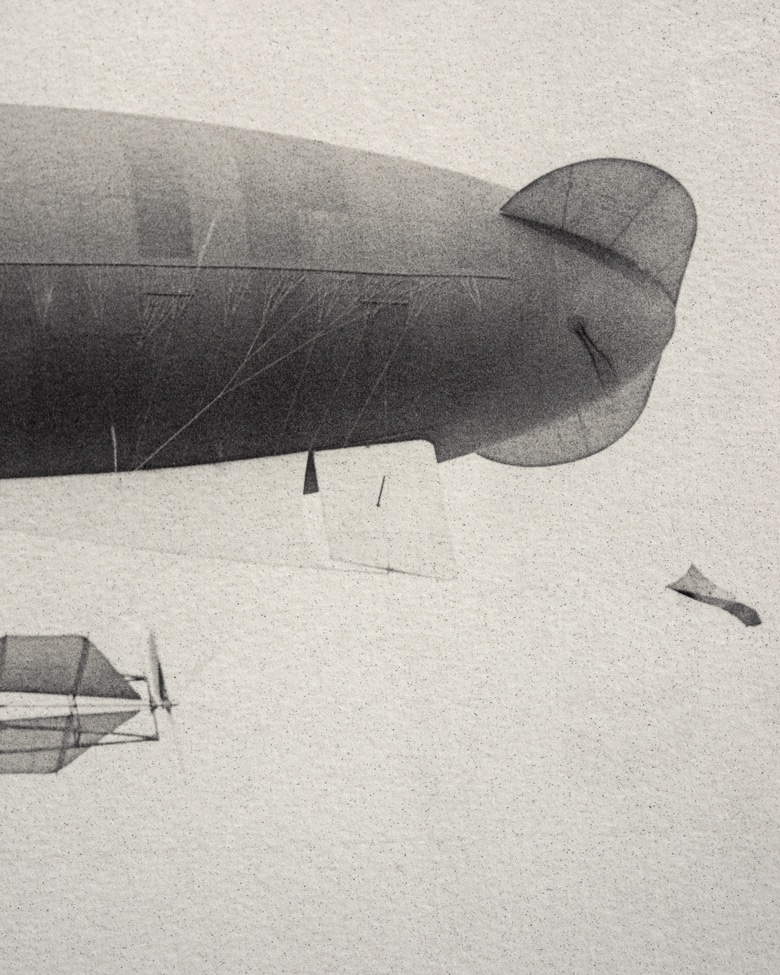
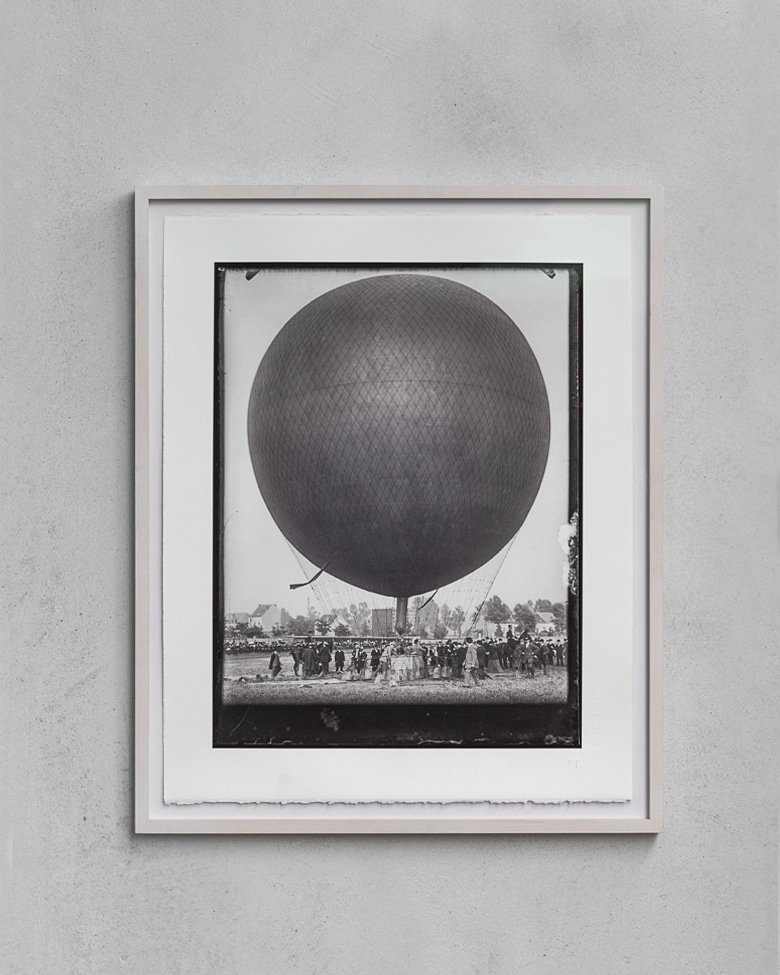
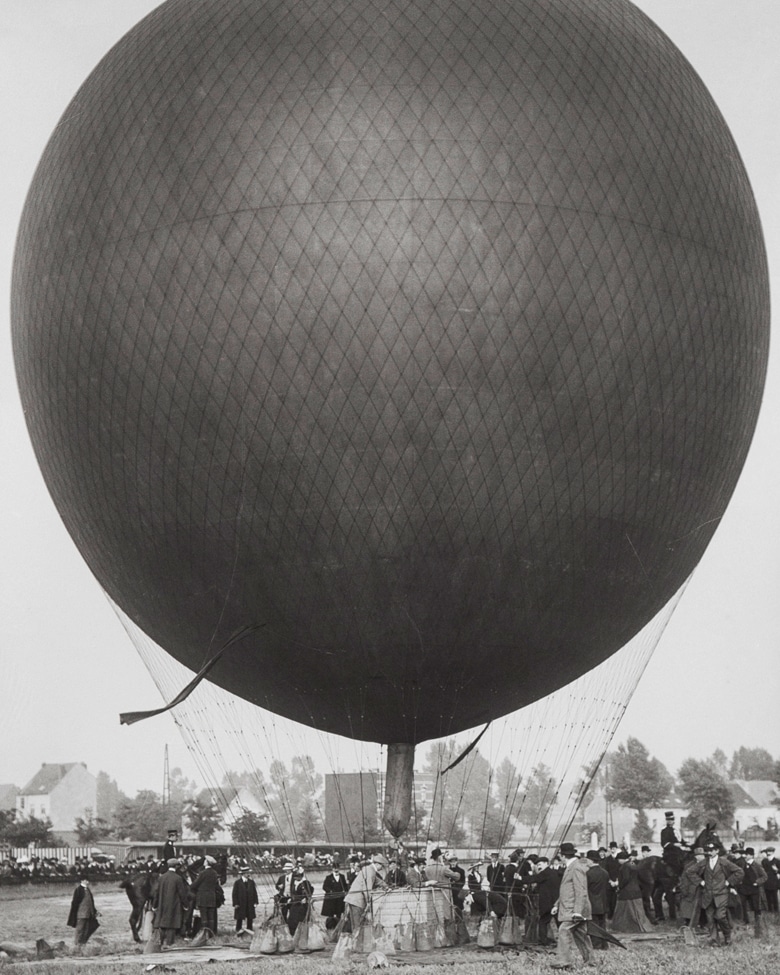
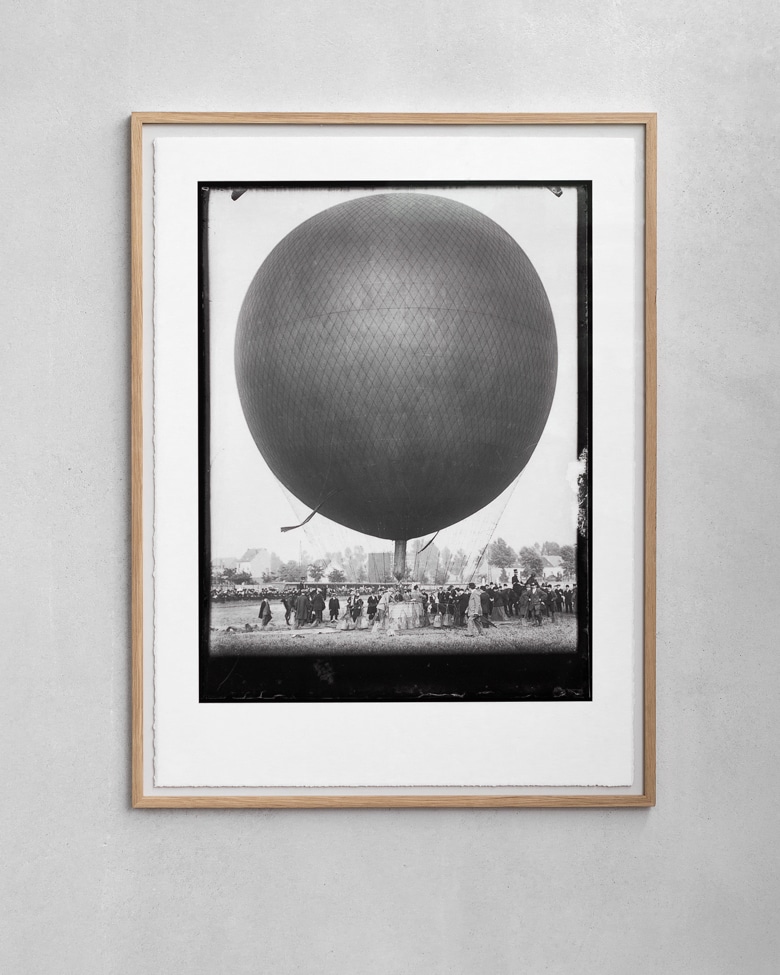
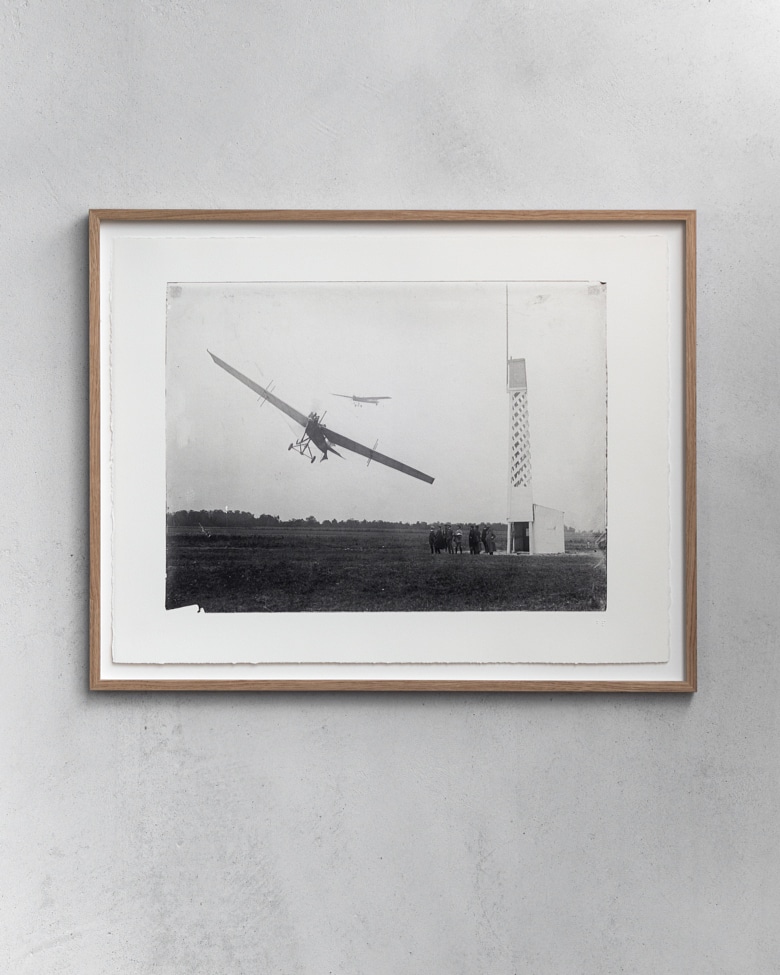
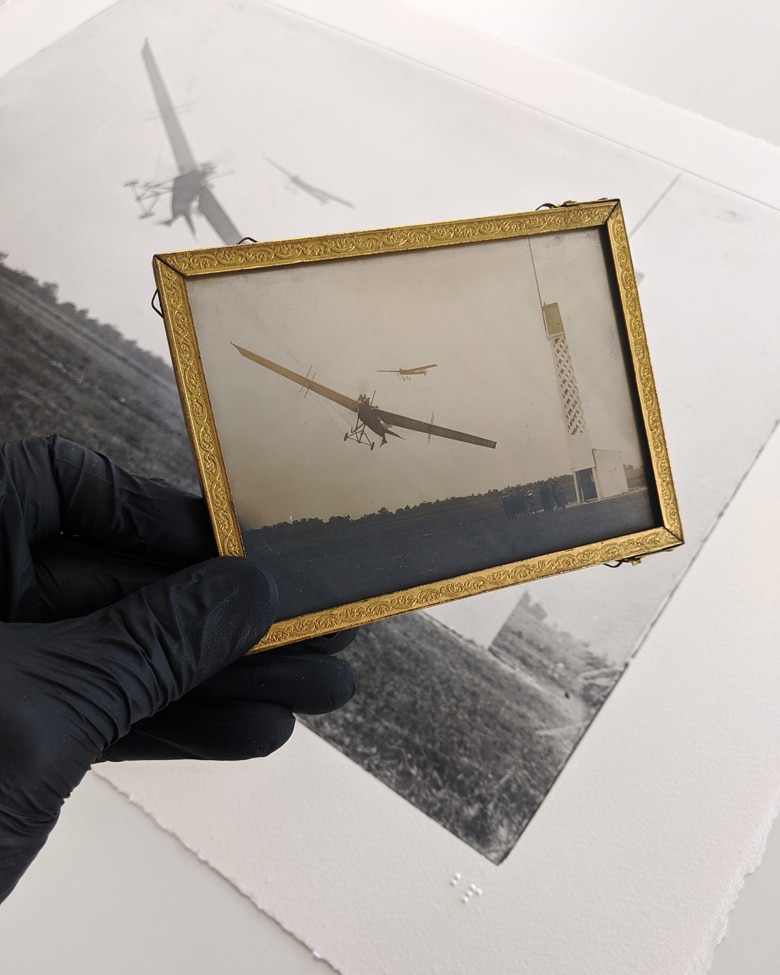
In the spring of 1910, the Société Zodiac — founded in Paris in 1896 by Maurice Mallet — was among the few manufacturers producing dirigibles designed to be dismantled, packed into crates, and transported by rail to aviation meetings across France. Unlike the fixed installations required by competing models, the Zodiac III could be deflated, its tubular nacelle disassembled, and the entire apparatus shipped without a permanent hangar. This made it a natural presence at the major meetings of 1909 and 1910.
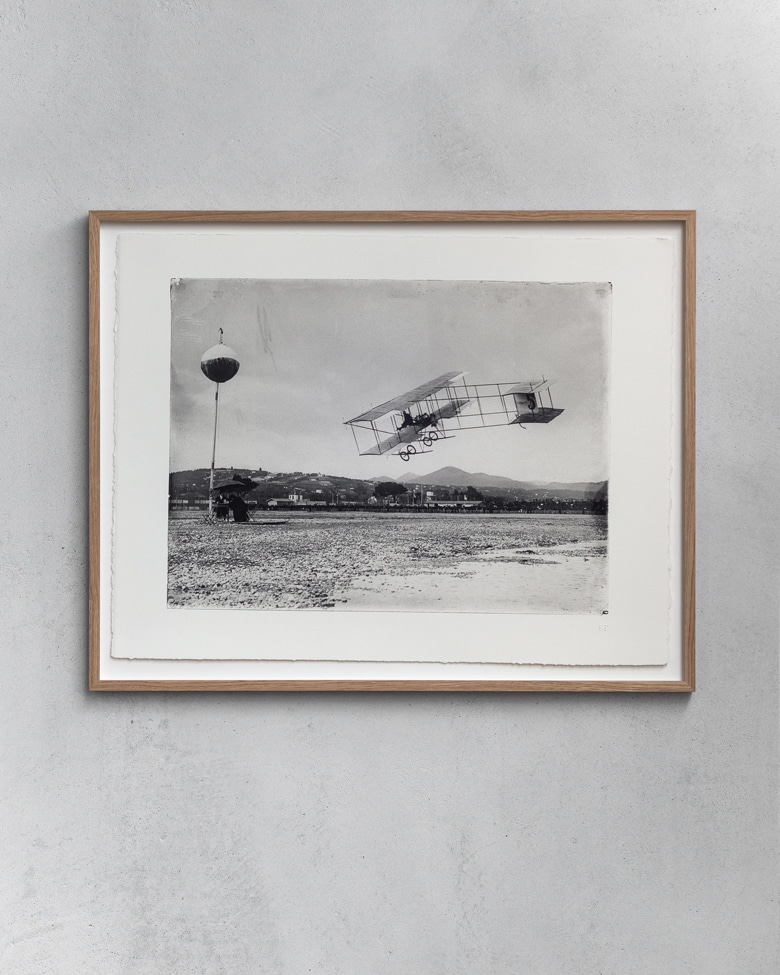
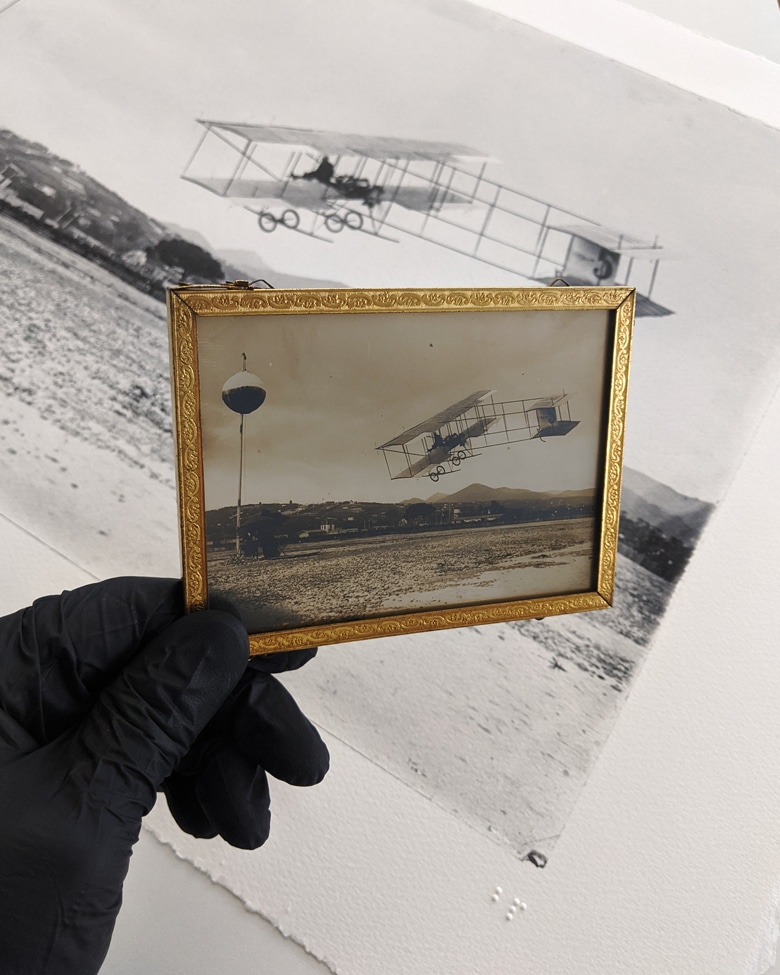
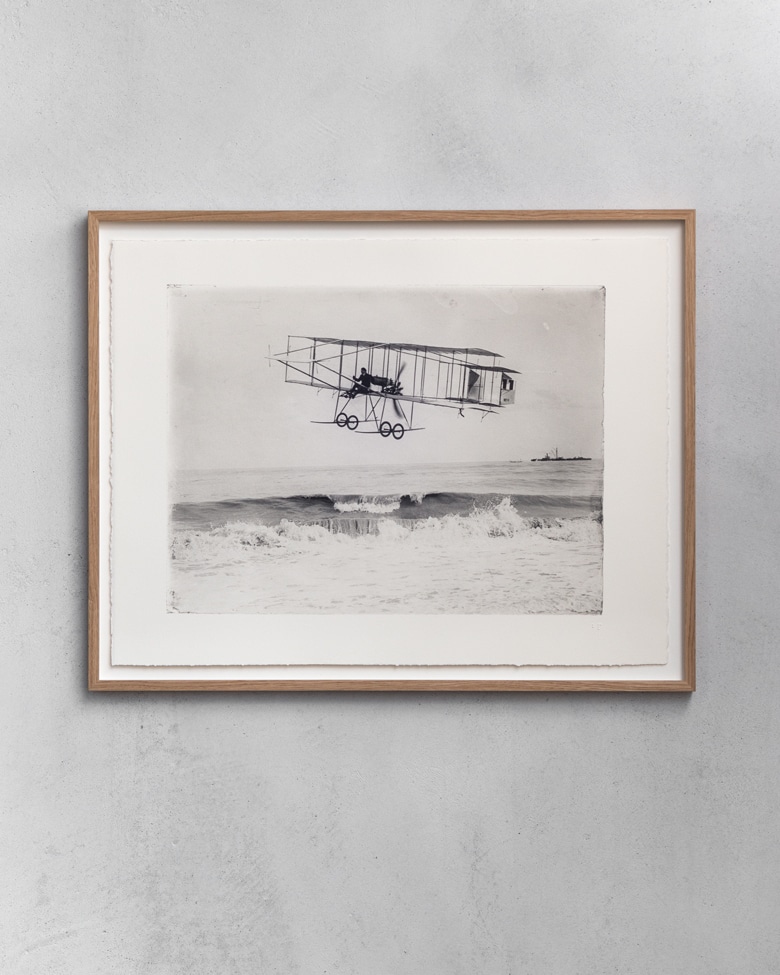
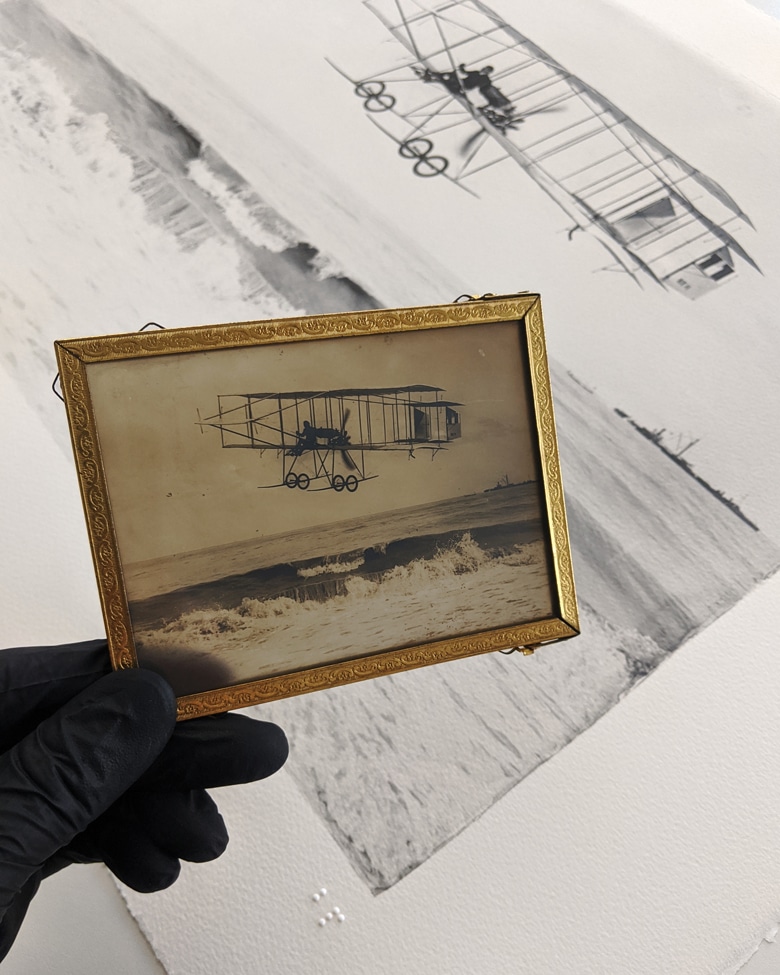
The Zodiac III had a volume of 1,400 cubic metres, was powered by a 40–50 hp engine driving a twin-blade wooden propeller, and reached a cruising speed of around 45–50 km/h. At the 1909 Reims meeting it competed in the airship speed event, finishing second behind a military dirigeable. Its appearance here, against the same sky as Efimov’s Farman and Latham’s Antoinette, places two distinct technologies of the air in the same frame — one that would define the century to come, the other that would disappear within two decades.
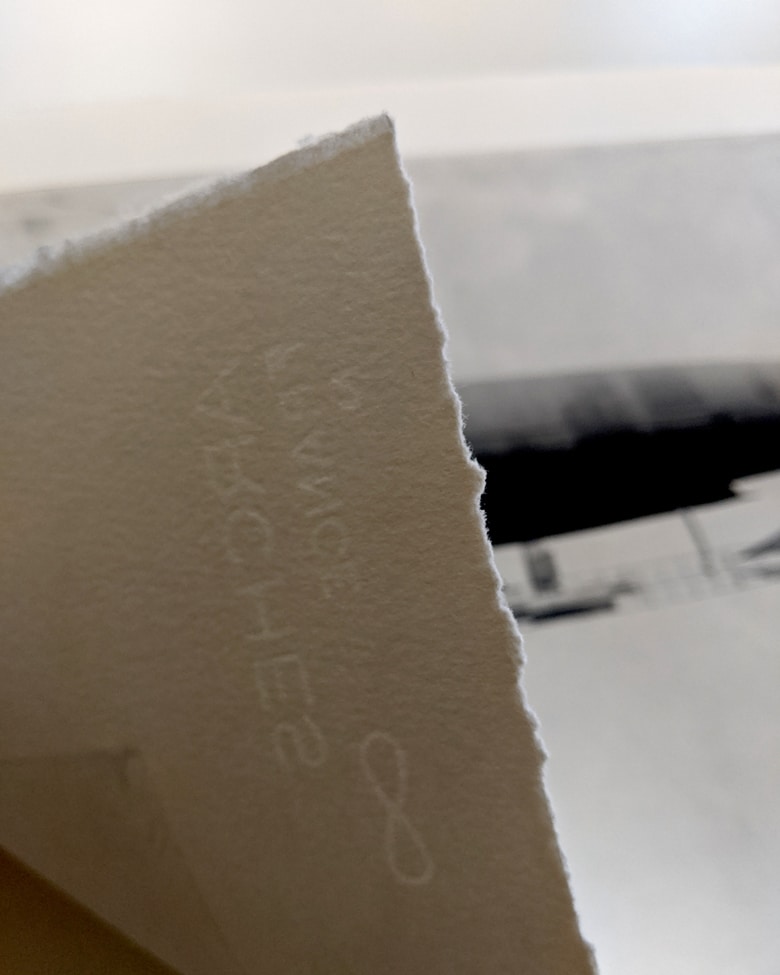
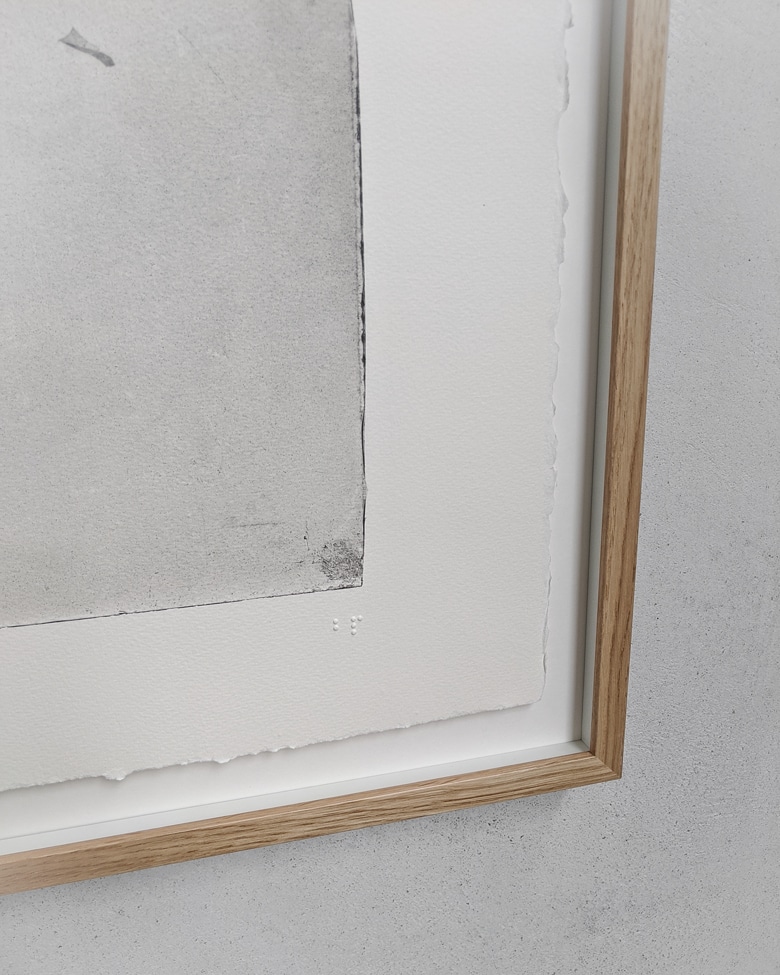
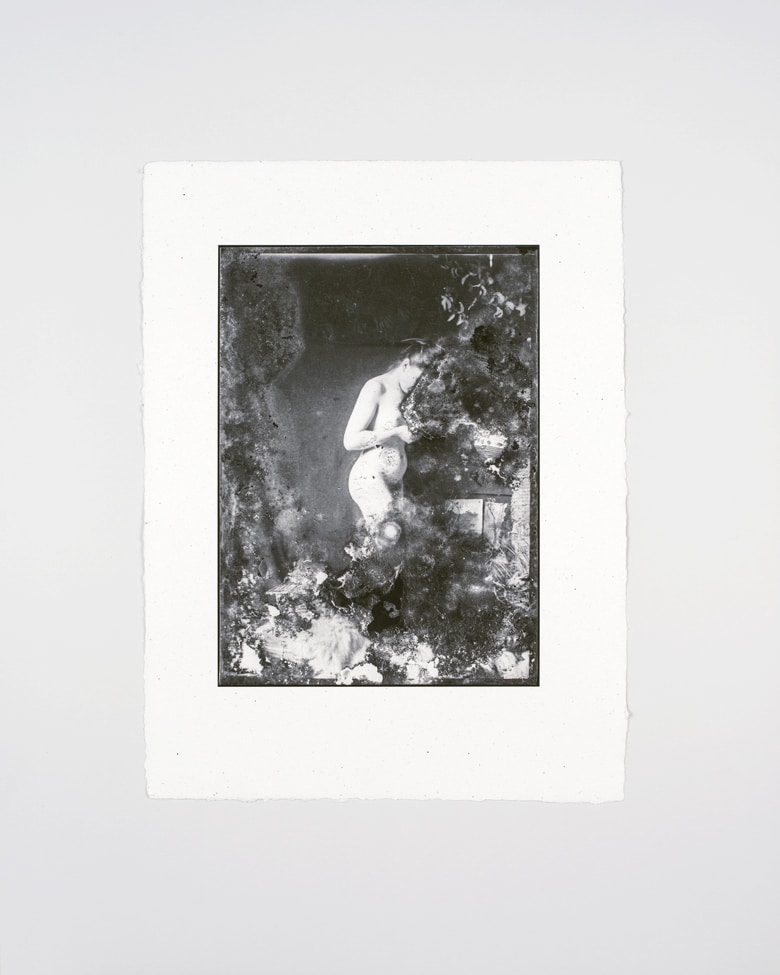
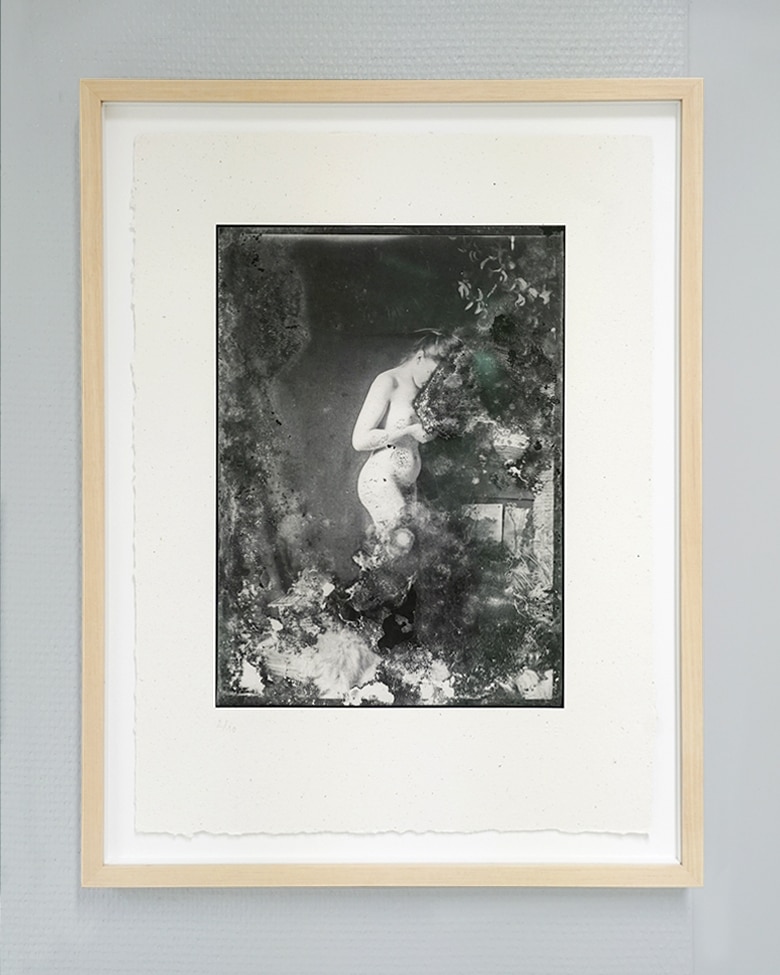
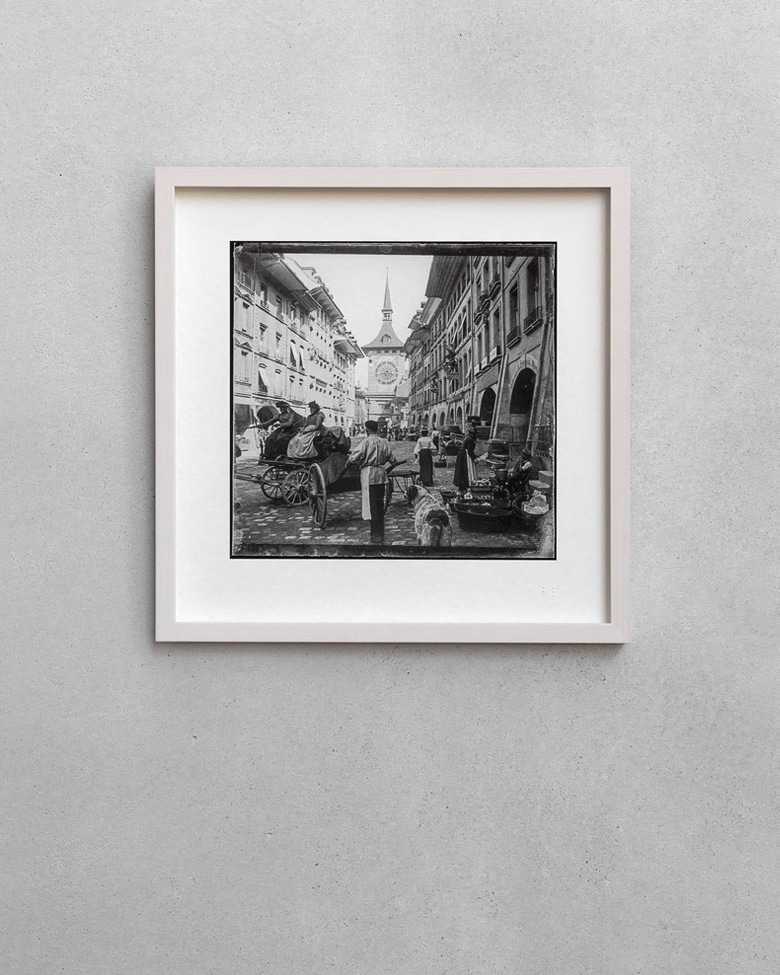
Limited to 15 numbered copies, the Piezography® Pro print is produced on Arches Velin BFK Rives Natural, a 100% cotton paper made by cylinder mould — a process that deposits fibres multidirectionally, giving the sheet its characteristic dimensional stability and its particular surface.
The paper unites two papermaking traditions: the Moulin d’Arches, founded in the Vosges in 1492, and the Rives mills in Isère, active since 1573, whose merger gave rise to the BFK name in 1820. It carries the ∞ watermark certifying its archival permanence: pH-neutral, acid-free, with an alkaline reserve. Its natural off-white tone and fine texture hold the full tonal range of the Piezography® Pro carbon pigment system.
The plate
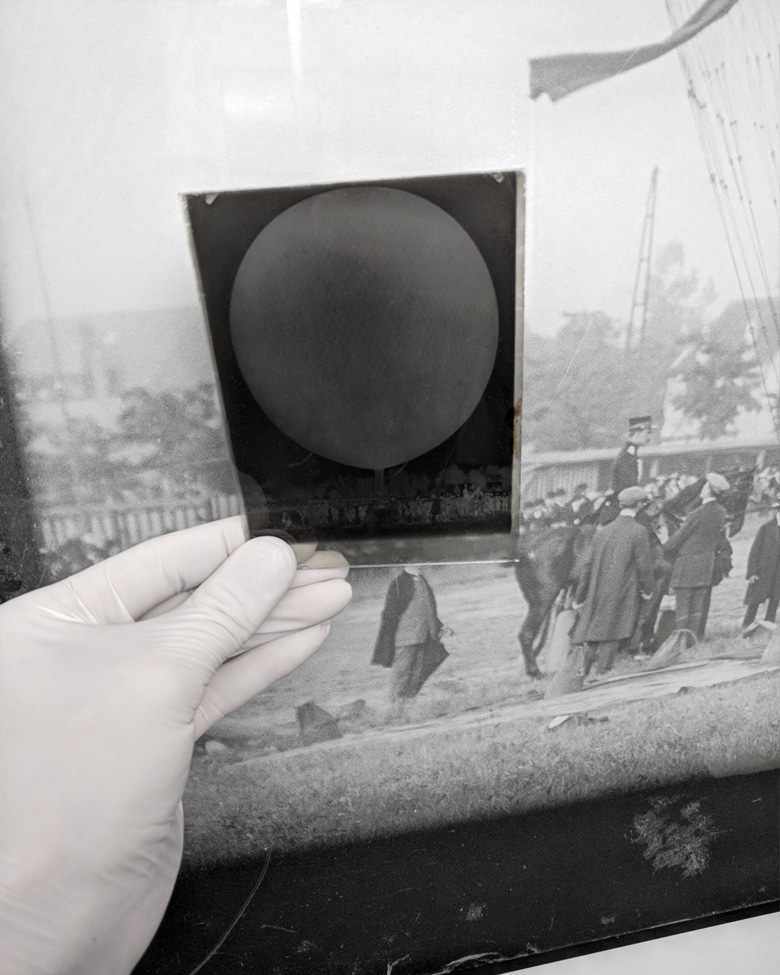
This plate belongs to a commercial photographic series on early aviation, likely produced and distributed by a Nice photo-comptoir, circa 1909–1910. The subject — a Zodiac III dirigeable in stationary flight — was photographed in the Champagne region or near Versailles, where the Société Zodiac maintained its facilities. The precise date, location, and photographer have not yet been confirmed by an independent source. Research is ongoing; findings will be updated as they emerge.