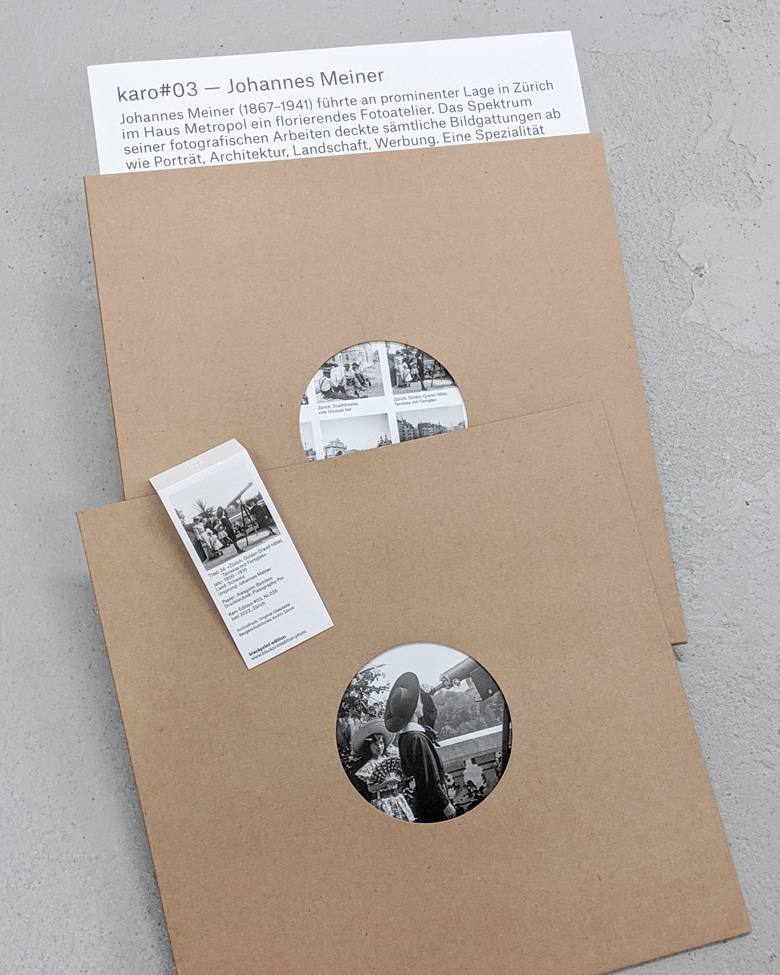
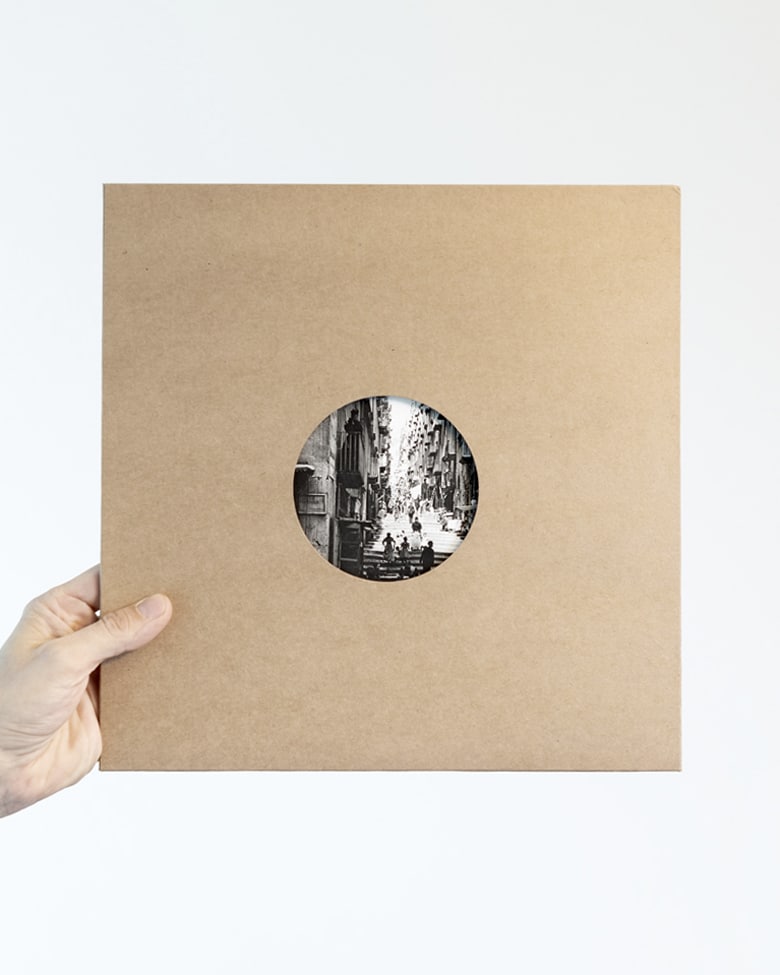
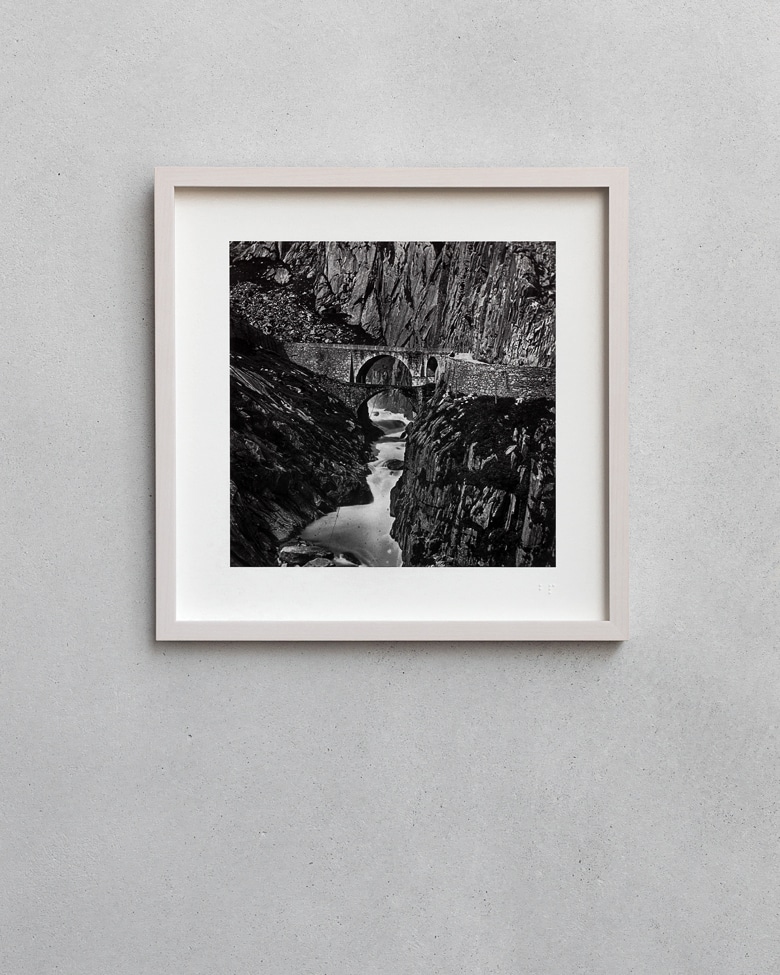
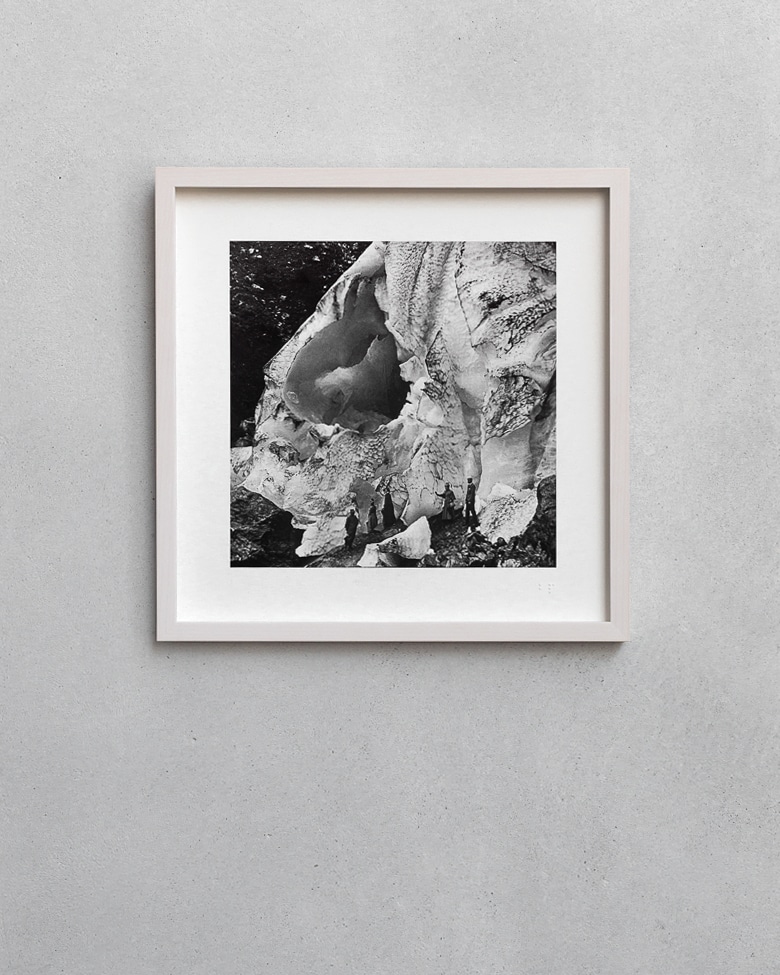
Johannes Meiner (1867–1941) ran a photographic studio in Zurich’s Metropol House, working across all genres: portraits, architecture, urban views, advertising. His speciality was stereoscopy — a format whose square constraint, once reframed, fits naturally into the Karo. His plates document Zurich between approximately 1890 and 1920, and are today held at the Baugeschichtliches Archiv der Stadt Zürich, the institution in collaboration with which this selection was assembled by Ylva Meyer.
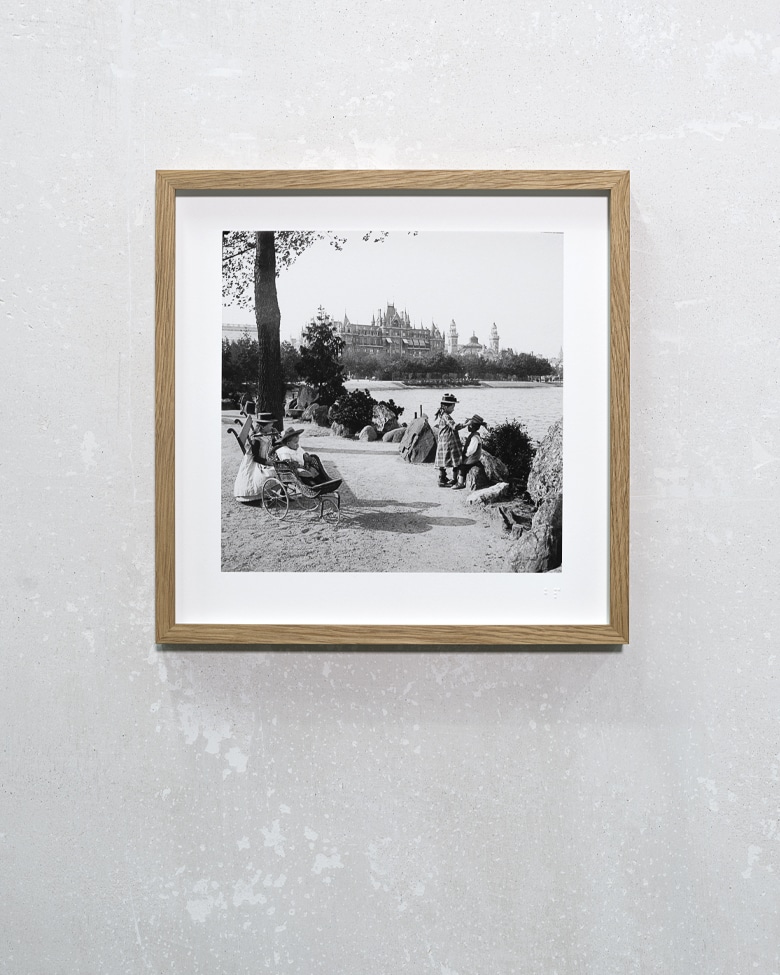
The lakeside promenade visible in this photograph was a recent construction at the time of the image. The Zürichsee quai embankments were built following plans by city engineer Arnold Bürkli and opened on 2 July 1887 — transforming what had been an irregular shoreline into a continuous public promenade on both banks. The rocks along the water’s edge in the foreground are part of that landscaping. Across the lake, on the Alpenquai, two buildings define the skyline of the image. The larger, castle-like structure with Gothic turrets and gabled roofline is the Rotes Schloss, a residential building completed in 1893 to designs by architect Heinrich Ernst, marketed to wealthy tenants as a residence in the style of the Loire châteaux. To its right, the dome of the Tonhalle pavilion — built in 1895 by Fellner & Helmer — is clearly visible. Both buildings were less than a decade old when Meiner made this plate.
What Meiner frames is the promenade in use: a pram, children on the rocks at the water’s edge, a figure on a bench, the geometry of the path leading toward the lake. The buildings across the water are the backdrop, not the subject. The stereoscopic composition uses the depth of the water and the distance to the opposite bank to create spatial separation between the foreground life and the city behind it.
The plate
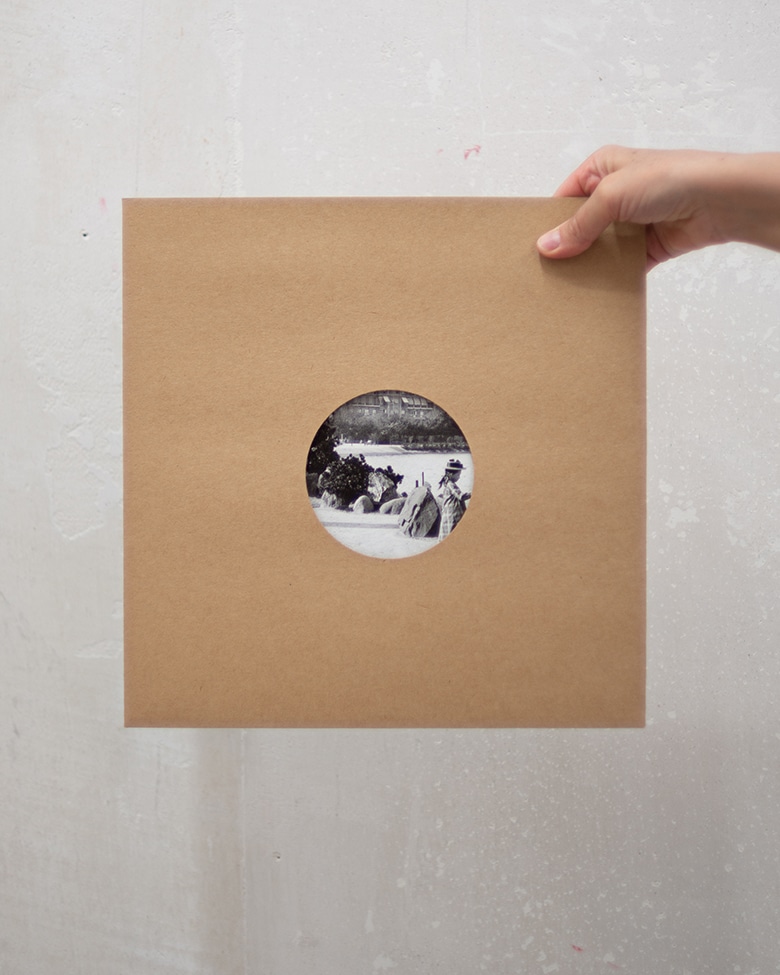
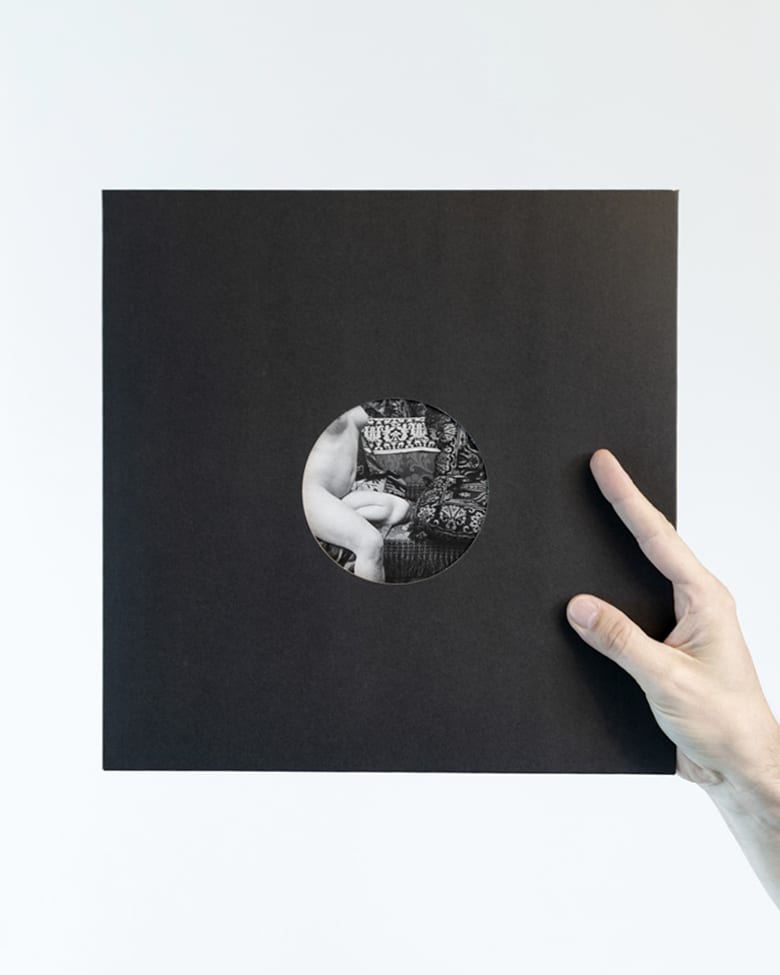
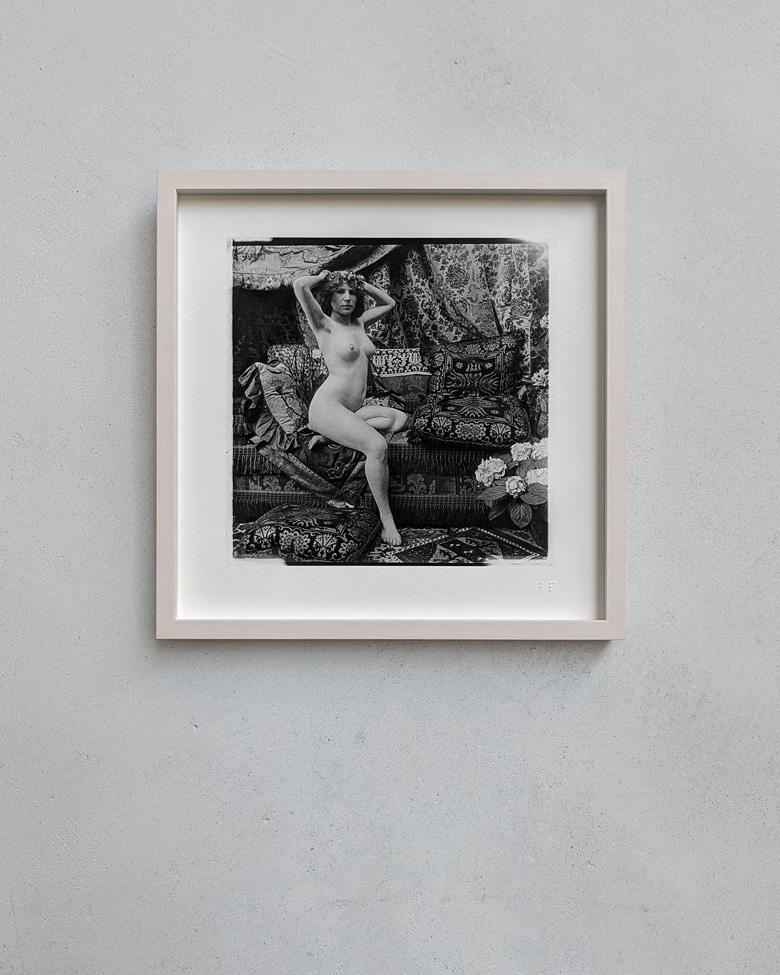
Stereoscopic glass slide. “Zürich, Quaipromenaden”. Selected from the Johannes Meiner holdings at the Baugeschichtliches Archiv der Stadt Zürich. Dated c. 1900–1910. Piezography® Pro print on Awagami Bamboo Washi, 250 g/m² — made by the Awagami Factory in Tokushima, Japan, directed by the Fujimori family for eight generations, within a washi tradition in the Awa region dating to the 7th century. 30 × 30 cm. Edition of 200, Zürich.